Reports that Samsung has rolled out ChatGPT and Codex across its workforce have been read as a milestone: one of the world's largest companies moving AI from a pilot for a few teams to a tool for everyone. Take the specifics as reported rather than confirmed first-hand. The signal still matters for Australian businesses, because it points to where the market is heading. Workforce-wide AI is becoming normal, and the question is shifting from whether to adopt it to how to do so across a whole team without making a mess of it.
That 'how' is where most of the value and most of the risk sits, and it is the same whether the tool is ChatGPT at a giant electronics firm or Claude at a Melbourne services business. A licence for everyone is not the same as adoption by everyone.
The reason this matters now is that the cost of a half-finished rollout is real. Pay for a tool across the whole company, see only a fraction of people use it, and you are carrying a line item with little to show for it. Get the rollout right and the same spend lifts the output of every team. The gap between those two outcomes is almost entirely about how you introduce the tool, not which tool you pick.
From a few enthusiasts to the whole workforce
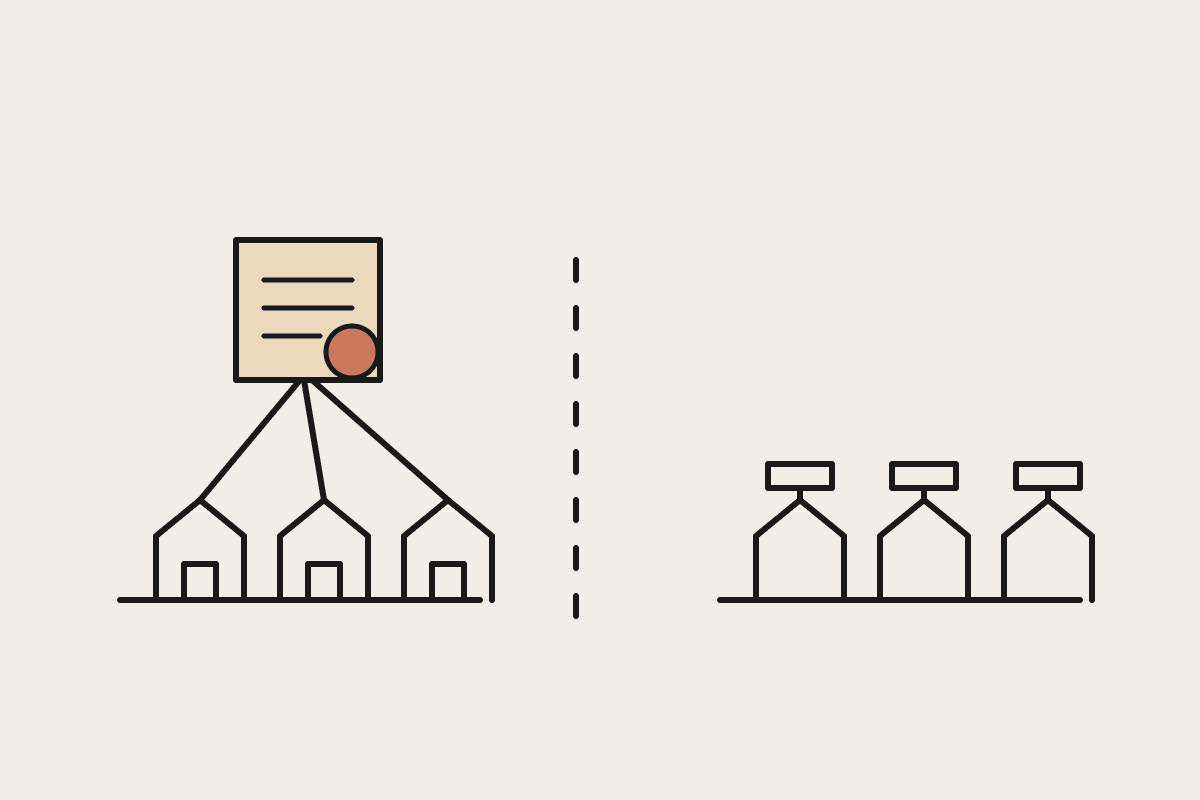
Most Australian businesses already have a handful of people quietly using AI well. The gap between those enthusiasts and the rest of the team is rarely about technology. It is about confidence, clear use cases, and permission. People do not adopt a tool because it has been purchased. They adopt it when they can see how it helps their specific job and trust that they will not get in trouble for using it. Rolling AI out to a whole workforce is a change-management exercise, not a procurement one.
You can see the gap in any office. The accounts team is not going to start using AI because the sales team loves it. They need to be shown how it helps with their reconciliations, their reports, their month-end. Adoption spreads job by job, with examples that look like the work people already do, which is why a single company-wide demo so rarely moves the needle on its own.
Training: show each team concrete examples for their own work, not a generic demo.
Use cases: pick a few high-value tasks per role so people start where the payoff is obvious.
Guardrails: set clear rules on what data can go in, so staff feel safe rather than uncertain.
Support: give people somewhere to ask questions and share what works.
Why Claude suits an Australian rollout
A workforce-wide rollout in Australia has to clear a few local hurdles, and a Claude-first approach handles them well. You can keep data handling aligned with the Privacy Act, set governance that suits your business rather than a US head office, and give staff training built around Australian examples. This is the work we do day to day, including our own Claude Builder Course, which is designed to take a team from curious to capable. A focused training investment for a fifty-person team, often in the range of $15,000, tends to return far more than that in hours saved, but only if it is tied to real tasks rather than left as a one-off webinar.
Avoid the common rollout mistakes
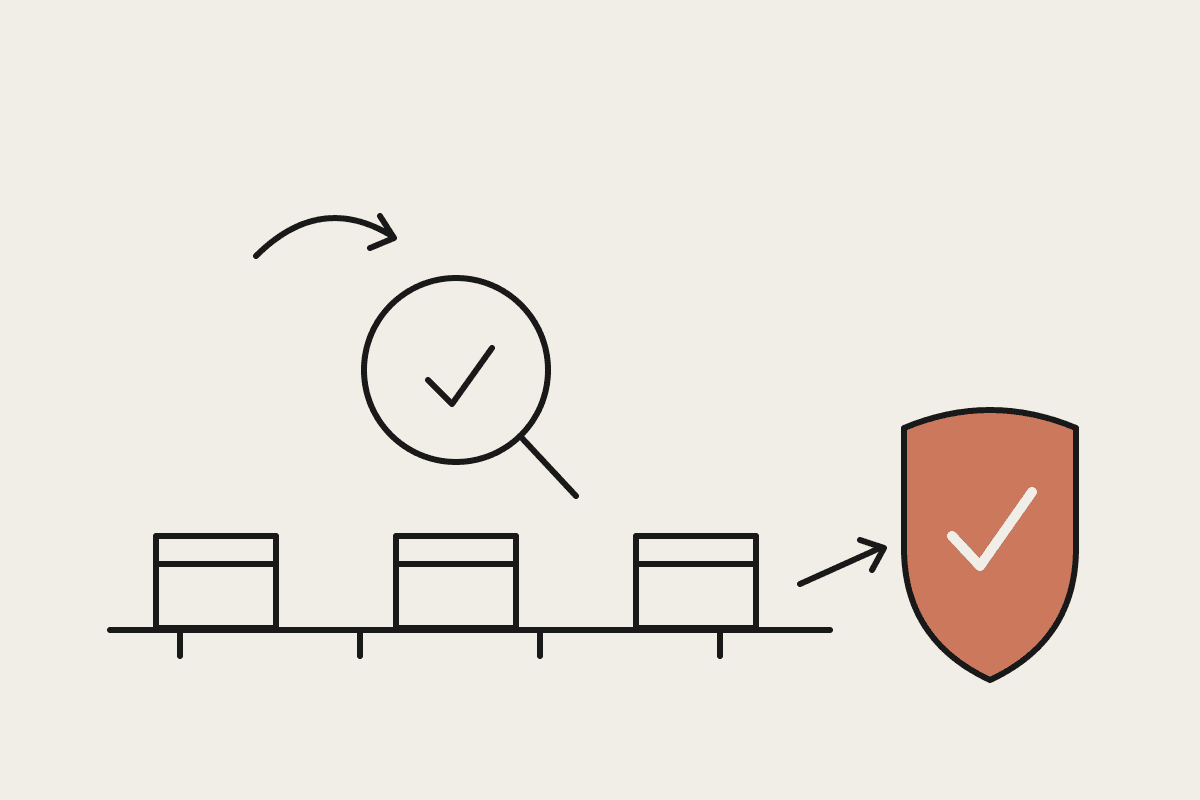
The usual failure is to buy licences for everyone, send one announcement, and assume adoption will follow. It will not. A month later a few people are using the tool well, most have forgotten their login, and the spend looks wasted. The fix is unglamorous: choose a small set of real use cases, train people on their own work, give them support, and measure who is actually using it and for what.
Done that way, workforce-wide AI is less about the tool and more about helping people change how they work. The businesses that get value from it are the ones that treat the rollout as a project with an owner and a goal, not a switch to flip. Samsung's reported move is a sign of where things are going. The smaller Australian firms that handle their own rollout with care will get a share of the same gain, at their own scale, and often faster, because there are fewer people to bring along.
If you are planning to roll Claude out across your team and want it to actually stick, we can help you design the rollout. You can book a brainstorm and we will build a plan around your people and the work they do.