Getting code out of an agent is easy now. Getting it to a live, verifiable URL without a human stopping to log in has been the awkward last step. On 2026-06-19 Cloudflare shipped a change that closes most of that gap with a single flag, and it matters for any Australian team building Claude Code agents that ship real software.
What the --temporary flag does
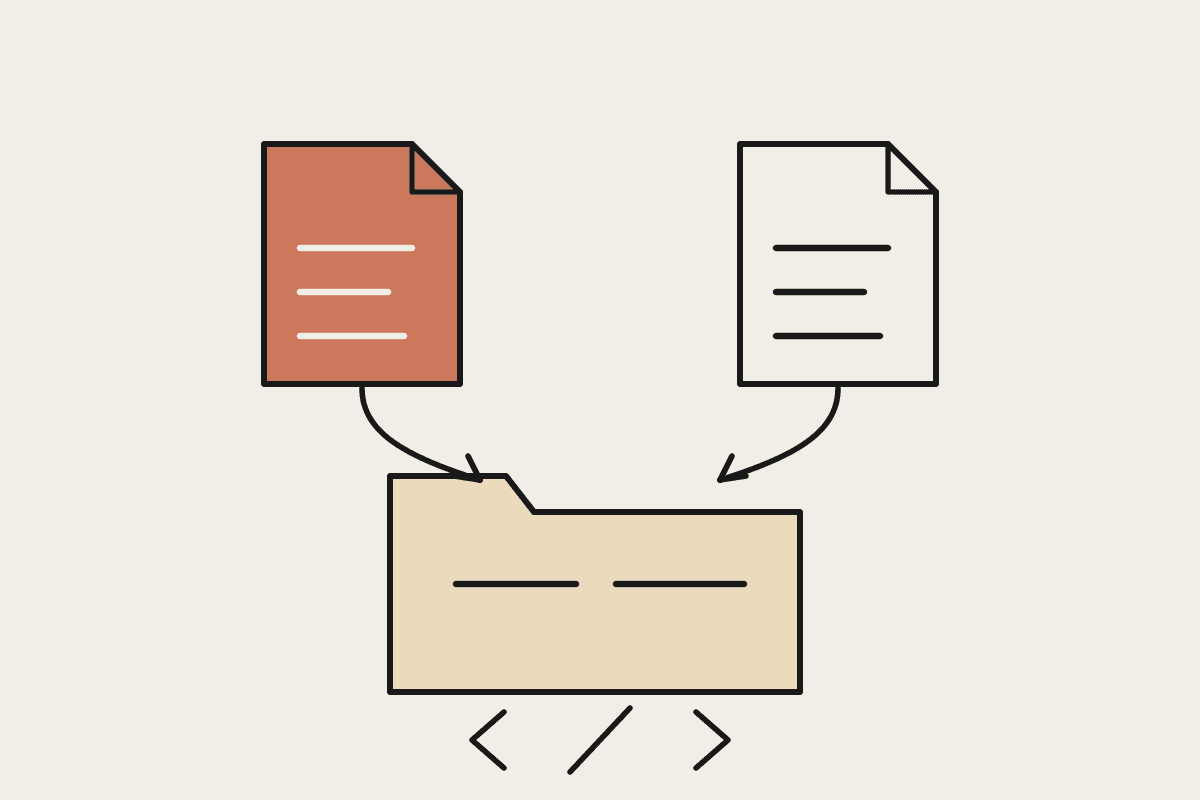
The new command is wrangler deploy --temporary. No account, no OAuth, no multi-factor prompt. Run wrangler deploy with no credentials and Wrangler now prints a hint to rerun with the flag. The agent reruns, Cloudflare handles a proof-of-work check with no human input, spins up a temporary account and a short-lived token, deploys the Worker to a workers.dev URL, and prints a claim link. From the agent's point of view it is one command and one public URL ready to test.
You get 60 minutes to iterate and redeploy. Open the claim link and the account becomes permanent, with Workers, D1, KV, Durable Objects, Queues and bindings intact. Ignore the link and everything deletes itself. No orphaned accounts pile up behind your experiments.
Why this is about custody, not convenience
The flag is small. The shift underneath is not. The temporary deploy turns the first run into a lease: ship now, verify on a real URL, iterate for an hour, then either claim it or let it vanish. That reframes how agent platforms should be judged. Producing working code is becoming table stakes. The real question is how cleanly a platform hands running software back to you, your team or your client.
Paired with Cloudflare's Stripe partnership, which can provision a permanent account, billing, a domain and API tokens programmatically, you get one path from a zero-cost sandbox to paid production. For an agency shipping prototypes, that is the difference between a demo and something a client can own the same afternoon. The custody model rests on four properties:
Short lifetimes by default. A deployment that auto-deletes in 60 minutes cannot quietly become shadow infrastructure.
Bounded scope. The temporary account holds only what the experiment needs, and nothing more.
An explicit claim step. Ownership transfers on purpose, through the claim link, rather than by accident.
Automatic cleanup. Anything unclaimed disappears, so there is no trail of forgotten accounts to audit later.
The watch-outs
This is genuinely useful, and it is new, so treat it with care. A few honest concerns:
Abuse is possible. Sixty minutes is still long enough to stand up a phishing page, so anything an agent deploys this way needs the same review you would give any external output.
The legal ground is untested. An agent accepting terms of service on your behalf is not settled territory, and a leaked claim URL leaks ownership of whatever was deployed.
The window is tight for complex work. Sixty minutes suits a small prototype, not a large build.
Pure automation can still stall. A confirmation step that expects a typed yes will stop a fully hands-off agent.
Simon Willison ran a public test on 2026-06-21 and reported that it behaved as described. That is encouraging, but a single positive test is a reason to try it on a throwaway project, not to wire it into a production pipeline yet.
What it means for Claude Code teams in Australia
For Australian teams building Claude Code agents, this closes the last-mile problem: an agent can take a Cloudflare Worker from code to a live, checkable URL with no human clicks. The practical move is to let agents use the temporary lease for fast verification, while production stays on a permanent, properly scoped account with real credentials and access controls.
In practice the workflow is simple to picture. A Claude Code agent writes a Worker, runs the temporary deploy, gets back a live workers.dev URL, then curls its own endpoints to confirm the thing actually works before reporting back. If the check passes and a human approves, the agent opens the claim link to make the account permanent and moves it onto your scoped production credentials. If the check fails, nothing is left behind to clean up. The agent verifies against reality instead of against its own description of the code.
We frame agent deployments around custody for exactly this reason: short lifetimes, bounded scope, an explicit claim path and automatic cleanup, with anything customer-facing held to the Privacy Act obligations any Australian business carries. A starter Cloudflare Workers plan runs about $7.50 per month in AUD terms, so the cost of giving each agent a clean, claimable deployment path is trivial next to the time it saves. The discipline is in deciding what gets claimed and what is allowed to disappear.
If you are building Claude Code agents and want a deployment workflow that is fast for experiments and safe for production, we help Australian teams set that up. You can book a brainstorm session and we will map it to your stack.