Gemini Enterprise is Google's unified platform for running AI agents across a large organisation. Google put it at the centre of its I/O 2026 announcements, and the dust has settled enough to judge it honestly. Plenty of Australian owners and executives are now asking what, if anything, they should change.
This guide stays practical for Australian teams. It covers what the platform offers, where it genuinely helps, and the questions a board should ask before standardising on a single vendor.
What Gemini Enterprise actually is
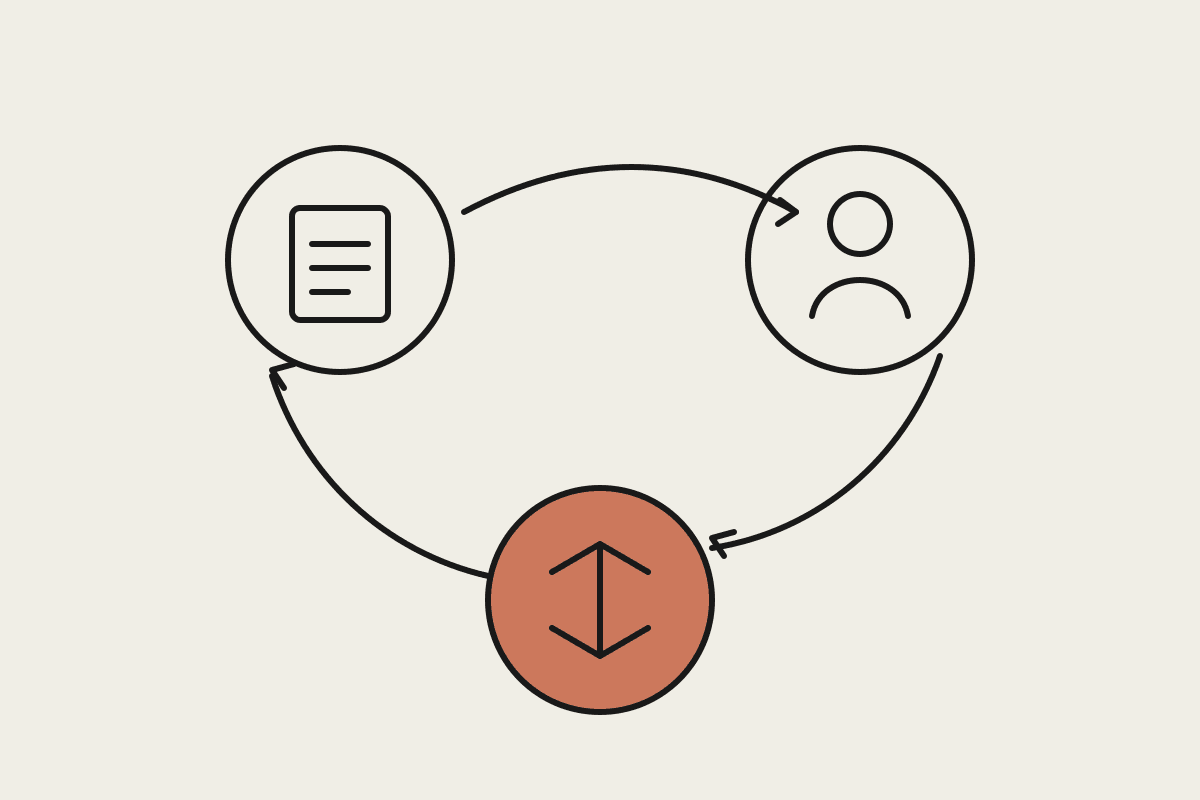
At a plain level, Gemini Enterprise bundles three things that used to be bought and managed separately: the agents that do the work, the connectors that plug those agents into your business systems, and the governance layer that controls who can do what. The pitch is that one platform is easier to roll out and oversee than a patchwork of tools.
AI agents that act across enterprise systems, not just a chat box
Connectors to common business tools such as email, documents and CRM
Central governance, logging and access controls in one place
Tight integration with the Google Workspace stack many firms already run
Why it appeals to large teams
For a 500-person company, tool sprawl is a real cost. Every extra vendor adds a contract, a security review and another login for staff to forget. A single platform promises to cut that overhead and give IT one console to watch.
One place to provision, monitor and switch off agents
Consistent controls across departments instead of team-by-team rules
Familiar billing and support through an existing Google relationship
Faster onboarding for staff already working inside Workspace
The cautions worth weighing
Standardising on one vendor is a strategic choice, not a tooling preference. The convenience is real, and so is the dependence it creates. Three issues deserve attention before you sign.
Vendor lock-in: the more workflows you build on the platform, the harder and costlier it is to move later
Data residency and sovereignty: where prompts and business data are processed matters under the Privacy Act and for any APRA-regulated entity
Cost as usage scales: per-seat pricing looks modest until thousands of staff are active every day
What it costs to get wrong
An enterprise-wide platform decision is not a $5,000 experiment. For a large Australian organisation, standardising on a single AI vendor can commit more than $500,000 a year once licences, integration work and internal support are counted. A poor fit discovered twelve months in can mean writing off six figures of build work and paying again to migrate.
Annual platform and per-seat licences that grow with headcount
Integration and change-management costs, often $120,000 or more for a serious rollout
The hidden cost of migrating away if the choice does not hold up
How to make the decision well
Strategy questions go wrong when they are settled by a demo or a headline instead of your own evidence. A short, structured trial on real work removes most of the guesswork and gives you something you can defend to a board later.
Write down the decision, the success measures and who owns it
Test on real tasks from your business, not vendor demos
Set a review date so the call is not treated as permanent
Keep a short record of why you chose what you chose
Where Claude fits
Automata AI works with Claude as the core model, so we will say plainly where it is relevant to this decision. Many Australian teams do not need a single all-in-one platform. They need the right model on the high-stakes work and a governance design that does not depend on one vendor's roadmap. Claude is often the stronger choice for careful reasoning, long document analysis and agent safety, and it can sit alongside Google tools rather than replacing them.
Use the best model for each task rather than defaulting to one suite
Keep a human in the loop on high-stakes decisions and approvals
Design governance you own, so switching models later stays cheap
Common mistakes to avoid
The biggest errors here are strategic, not technical. Teams pick a tool because a competitor did, or because a launch looked impressive, and discover months later that it never fit the work. A little discipline up front avoids most of that pain.
Choosing on hype or a single polished demo
Standardising before testing on real tasks
Ignoring where data is processed and stored
Treating the choice as permanent and never reviewing it
Skipping a written policy, so staff each do their own thing
Key takeaways
If you remember nothing else about gemini enterprise australia for your organisation, hold on to these points.
Gemini Enterprise is a strong platform pitch, but the governance design carries the risk
Treat a single-vendor decision as a board-level choice with a real price tag
Match the model to the task, keep a human on high-stakes work, and review the choice as models change
Talk to a Claude specialist
Automata AI helps Australian organisations design, build and govern AI workflows with Claude at the core. Book a brainstorm and we will pressure-test your platform plan against the trade-offs above.