Google's Gemini Omni launched this month with the usual fanfare: a single multimodal model that takes voice, vision, and text in one pass, with longer reasoning windows and a strong demo reel. For Australian teams that have standardised on Claude over the last two years, the natural reaction is to ask whether the ground just moved. Our read, after spending a fortnight putting Omni through realistic AU enterprise workloads alongside Claude: the ground did not move, but the map got more interesting.
This post is for the CTOs, heads of AI, and senior engineers across Sydney, Melbourne, and Brisbane who already have Claude embedded in production and are now fielding the question from a board member or a curious CEO: should we rebuild on Gemini Omni? The short answer is almost always no. The longer answer is more useful, because it tells you what to actually do over the next two quarters.
What Omni actually changes
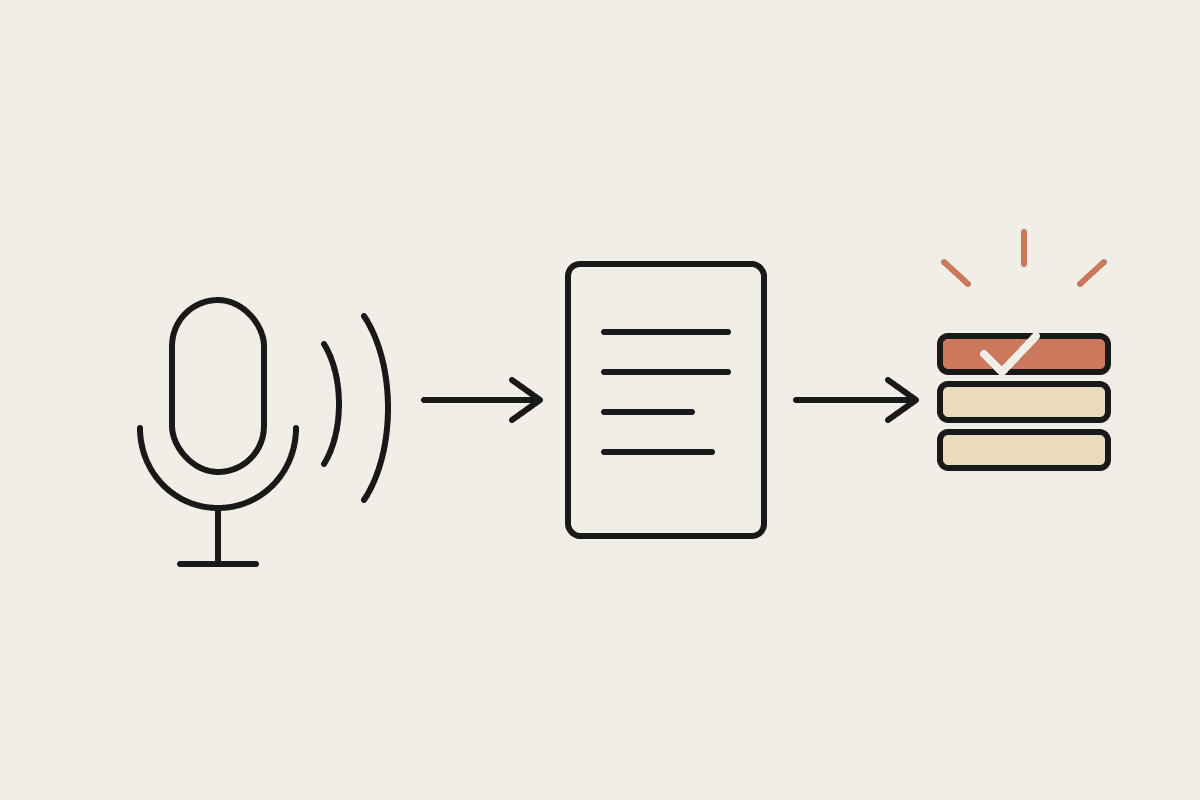
Strip the launch deck back and three claims do real work. First, native multimodal in and out: voice, images, video frames, text, all in one model call. Second, a long reasoning context that holds full meetings or document sets without retrieval scaffolding. Third, deep integration with Google Workspace, Cloud, and the broader Google data estate that most large Australian enterprises sit somewhere inside.
Claude already does all three, just differently. Claude on the Anthropic API and on AWS Bedrock handles vision and document inputs with high fidelity, runs extended thinking against very long contexts on Sonnet and Opus, and ships first-class tool use that connects cleanly into whatever data plane your organisation actually uses, including Microsoft 365, Workspace, Salesforce, SAP, and AU-specific systems like Xero, MYOB, and the major core banking platforms. The difference is positioning. Omni leads with a unified model. Claude leads with a unified agent: a thinking system that calls the right tool for each step.
Why the Claude shape still wins for AU enterprise
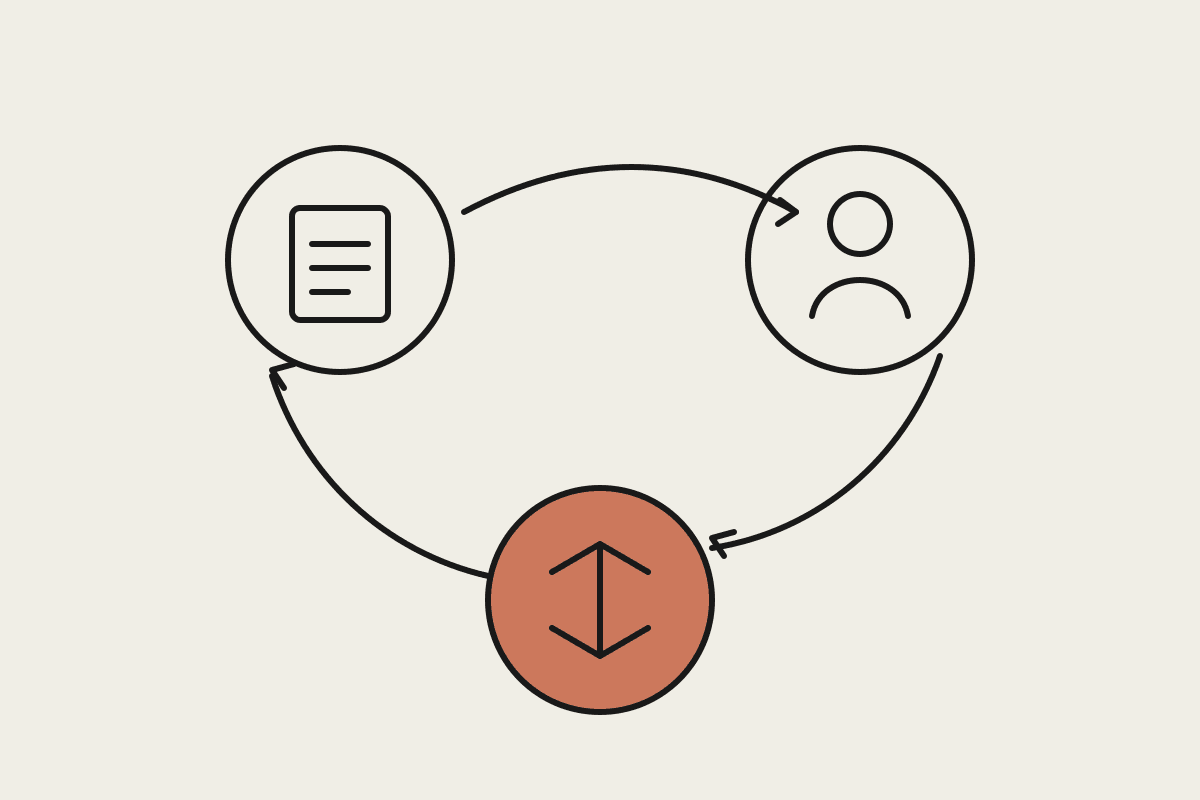
Most AU enterprise AI work is not a single multimodal turn. It is a multi-step task: read three policy documents, cross-check them against an incoming customer query, draft a response that complies with the Privacy Act, route it through a human reviewer, log the decision against the case file. The bottleneck is rarely the model's perception. The bottleneck is governance, integration, and the audit trail.
On those dimensions Claude has built up a real lead in the AU market over the last 18 months. Anthropic's Sydney presence, the data-residency conversations with APRA-regulated institutions, the AUSTRAC alignment work several big-four banks have done with Claude in their AML stacks, and the ASIC-shaped controls around financial advice tooling all add up to something Omni cannot match on day one. Switching vendor to chase a launch demo means re-doing months of that work.
We modelled this for a mid-market Melbourne financial services client running roughly $180,000 a year of Claude API spend across four production agents. A clean rebuild on Gemini Omni, including re-running model evaluations, rewriting the prompt and skill library, re-doing the privacy impact assessment, retraining the support team, and renegotiating the data processing addendum, came out at $420,000 of internal and external cost across two quarters. The Omni demo would need to deliver a step-change in accuracy on their specific workload to make that pencil. It does not.
Where Omni does pull ahead, and what to do about it
Being honest about where a competitor is genuinely better is part of good Claude work. From our testing, Omni currently has the edge in three narrow places that matter to specific AU use cases:
Real-time voice agents. Omni's voice-in, voice-out latency is roughly half of what a Claude plus voice pipeline currently delivers. If you are building a true live conversational agent, for example an outbound calls layer for a Sydney insurer or a triage line for an aged care provider, Omni is worth a closer look.
Video frame reasoning. Long video inputs are handled natively rather than through frame sampling. For Brisbane mining, agtech, and infrastructure inspection clients dealing with drone footage, this is a real workflow simplifier.
Google data estate integration. If your organisation lives almost entirely inside Workspace and BigQuery and you have no plans to move, Omni's first-party integration shaves real engineering time off the integration layer.
The right response to those three is not migration. It is portfolio. Most mature AU AI teams already accept that the answer to 'which model' is 'mostly one, occasionally another'. Claude as the default reasoning and agent backbone, with Omni added for live voice or video-heavy edge cases where it genuinely outperforms, gives you the best of both without the rebuild bill.
The AU board conversation, scripted
If you are the head of AI walking into a board meeting next week, here is the shape of the answer your directors will respect. Acknowledge the launch directly: yes, Gemini Omni is real and capable, and we have tested it. State the position clearly: Claude remains our primary platform because the value of our AI work sits in the agents, skills, evaluations, and governance we have built on top of it, not in the base model. Name the exceptions honestly: where Omni or any other model wins on a specific workload, we will add it as a second tool rather than replace the first.
Then put a number on it. A rough rule of thumb from the AU mid-market: every dollar of base API spend on Claude has roughly $3.50 of accumulated skill, evaluation, and integration value sitting around it. A $200,000 annual Claude bill is sitting on $700,000 of internal capability that does not come with the model. Migrating throws that away. Layering preserves it.
What to actually do this quarter
Three concrete steps for AU teams that already run Claude in production and want a defensible answer on Omni:
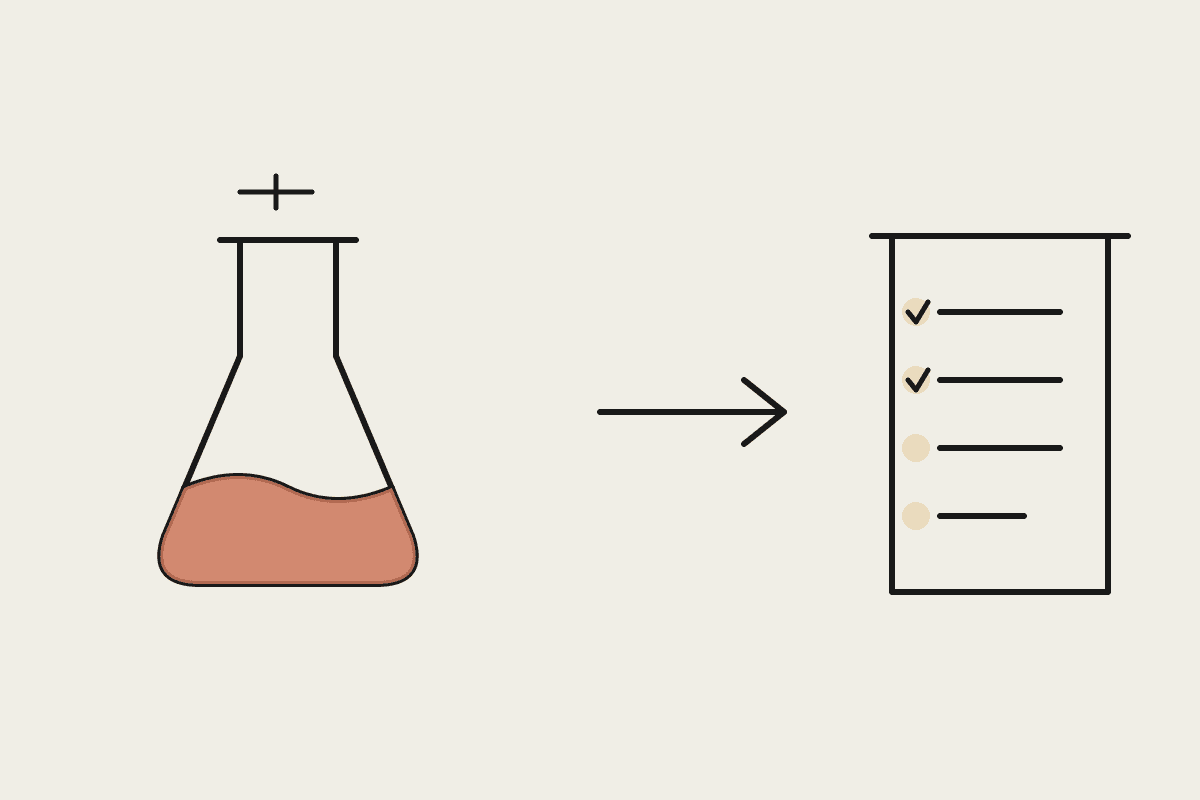
Run a like-for-like eval, not a vibes test. Pick your two most expensive production workloads and run them against Omni with the same prompts, tools, and judge model you use for Claude. Publish the numbers internally. Most teams find Claude wins on accuracy and audit clarity, Omni wins on raw speed in voice, and the rest is a wash.
Spin up one voice or video pilot on Omni. A scoped, two-month pilot on a single voice or video workload tells you more than another month of benchmark debate. Budget $40,000 to $60,000 for a proper pilot including evaluation and a privacy impact review.
Lock in your Claude data and residency story. The reason Omni feels tempting to some AU boards is because the Claude story is sometimes told badly internally. Refresh the one-pager on where Claude data goes, what Anthropic does and does not retain, and how the AU regulatory posture is covered. We have a ready-to-use security and privacy brief our clients tailor for their own boards.
The longer arc
Every six months a competitor lands a launch that, on the surface, looks like a Claude problem. Anthropic ships an answer within a quarter. The teams that win in this market are not the ones that chase each launch. They are the teams that build a thick layer of internal capability on top of one primary model and treat the others as specialist tools. For Australian enterprises, that primary model is Claude, and the reasons it is Claude have very little to do with the next benchmark and a lot to do with the work that already sits on top.
If you want a second opinion on how Omni stacks up against your specific Claude workloads, or you want help running a clean eval rather than a marketing one, we run a 45-minute brainstorm session for AU AI leaders. Book a slot here.