Gemini Spark is Google's always-on AI agent, announced at I/O 2026, that can run tasks across Gmail, Docs and connected business systems without someone driving it click by click. This guide explains what Spark does, how Google has built guardrails around it, and what an Australian business should weigh before switching it on.
Google announced a long list of features at I/O 2026, and Spark drew the most attention because it moves from answering questions to taking actions on your behalf. That shift is the part worth understanding. An agent that books, sends, files and updates records is useful when it is governed well and risky when it is not. The practical question for most Australian owners is not whether Spark is impressive, but whether it fits the work you actually do and the rules you have to follow.
What Gemini Spark actually does
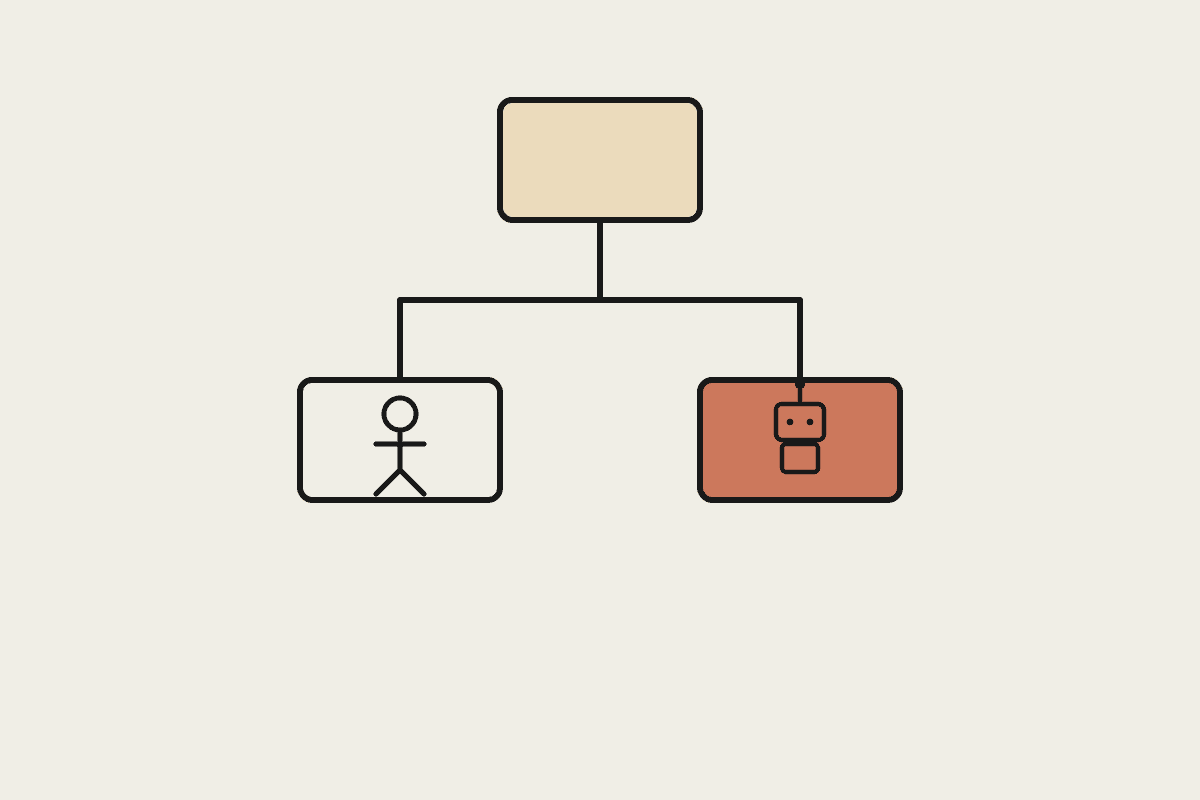
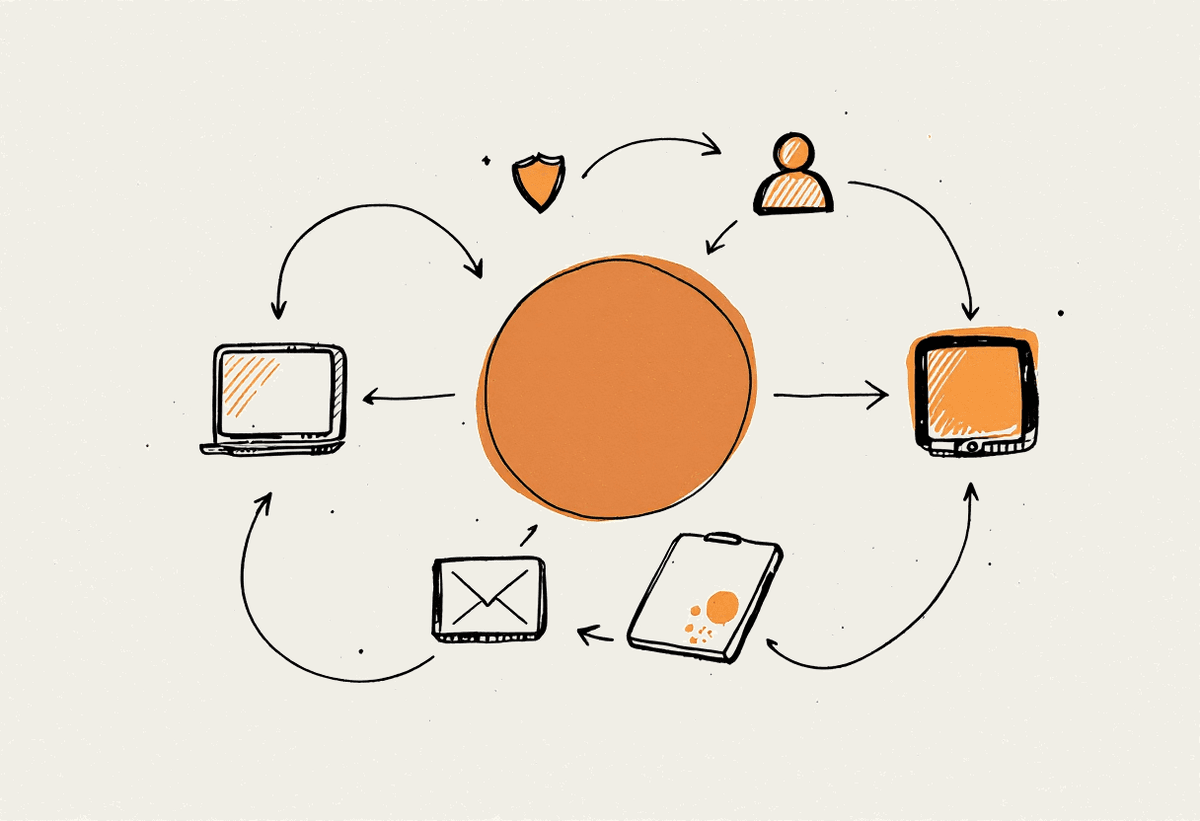
Spark runs recurring and one-off tasks in the background, pauses to ask for approval on actions it judges to be high risk, and connects to enterprise platforms such as Salesforce, ServiceNow and Zendesk. Rather than a chat window you return to, it behaves more like a junior staff member who picks jobs off a queue and checks in before doing anything consequential.
Runs background tasks across connected apps and inboxes
Pauses for approval before high-risk actions
Connects to a growing list of enterprise systems
Reports back so you can see what it did and why
How Google has built the guardrails
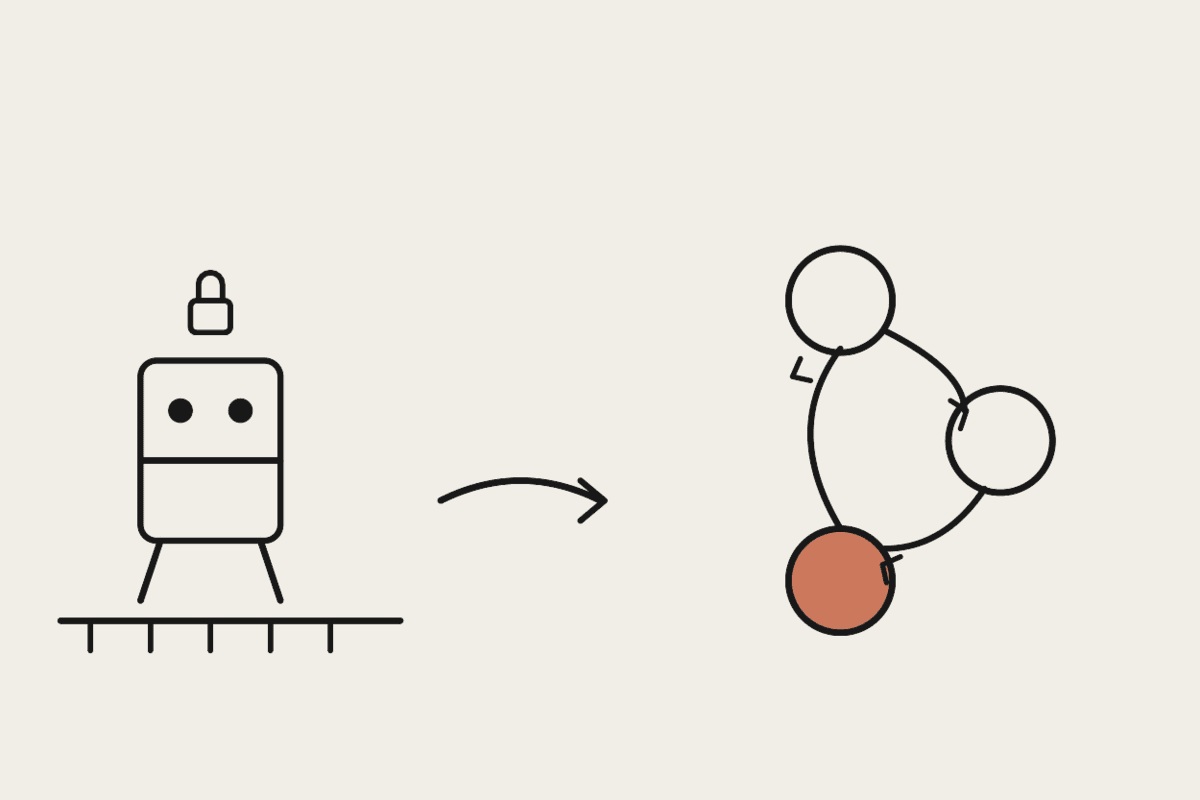
Each task runs inside an isolated, short-lived environment, with data loss prevention applied at the gateway and credentials kept encrypted. The design assumes the agent will sometimes be wrong and tries to contain the damage rather than trust the model to behave. That is a sensible approach, and it mirrors how careful teams already think about automation: limit what any single process can touch, and require a human to sign off on anything that moves money or sensitive data.
Isolated, short-lived environment for each task
Data loss prevention controls on the gateway
Encrypted credential storage
Approval gates on actions that change data or money
What it means for Australian businesses
The upside is real: hours of repetitive admin handled without a person watching over it. The exposure is just as real. Under the Privacy Act you remain accountable for personal information an agent touches, even when a vendor processes it. A poorly governed agent can cause damage worth more than $100,000 with a single wrong action, such as emailing the wrong client list or updating records at scale. For regulated work, APRA-supervised entities and professional firms in Sydney and beyond need to know exactly where data travels before they widen access.
You stay accountable under the Privacy Act for data the agent handles
Map where information is processed and stored before switching it on
Decide which actions always need a human in the loop
Start with one low-risk workflow, not your billing or payroll system
Where Claude fits for Australian teams
We build on Claude as the foundation of the workflows we design, and Spark does not change that. The reason is fit rather than loyalty. Claude's strengths in careful reasoning, long-document work and following detailed instructions map well to the regulated, document-heavy tasks Australian businesses bring us. The honest position is that you can use both: Claude for the analysis and drafting where accuracy and judgement matter, and a Google agent where it is already wired into your stack. What counts is matching the tool to the task and keeping a clear rule about who approves what.
Use Claude where reasoning, accuracy and long context carry the work
Use whichever agent is already connected to the system you need to act in
Keep one written approval rule so staff do not each invent their own
Avoid committing to a single vendor before you have tested on real jobs
How to make the decision well
Strategy questions go wrong when they are settled by a demo or a headline rather than your own evidence. A short, structured trial on real work removes most of the guesswork and gives you something you can defend to a board or a business partner later. Write the decision down, name the owner, and set a date to review it so the choice is not permanent by accident.
Write down the decision and who owns it
Test on real tasks, not vendor demos
Set a review date so the call can change as models change
Keep a short record of why you chose what you chose
Common mistakes to avoid
Choosing on hype or a single impressive demo
Committing to one tool before testing on the work your team actually does
Ignoring where data is processed and stored
Treating the choice as permanent and never reviewing it
Skipping a written approval rule, so everyone does their own thing
Confusing a model launch with a business outcome
Key takeaways
If you remember nothing else about what Gemini Spark means for your Australian business, hold on to these points.
Spark turns AI from answering questions into taking actions across your tools
Google's guardrails contain risk but do not remove your accountability
The Privacy Act still applies, so know where your data goes
Match the tool to the task, keep a human on high-stakes work, and review the call as the field changes
Automata AI helps Australian teams design, build and govern AI workflows with Claude at the centre. If you want to pressure-test where an agent like Spark fits and where it does not, book a brainstorm and we will work through it against your actual processes.