With Gemini, Claude and a handful of others shipping new versions almost monthly, it is easy to lose the plot on where Google's models actually sit. This is a grounded read for an Australian business owner deciding where to place a bet in 2026, written without the launch-day hype.
Google made a wave of announcements at I/O 2026, and enough time has passed to judge them on results rather than slides. Plenty of Sydney and Melbourne owners are now asking whether they should switch, consolidate, or hold. This guide stays practical, focusing on the trade offs that change the decision rather than the marketing language around them.
Two things are worth setting straight before the comparison. First, no single model wins every task in 2026, and any vendor that tells you otherwise is selling. Second, the right answer for a 12-person firm in Brisbane is rarely the right answer for a 400-person enterprise. Hold both ideas in mind as you read.
Google's strengths
Gemini's case in 2026 rests on speed, price and breadth. For a lot of routine business work, that combination is hard to argue with.
Fast, low-cost models that suit high-volume tasks
Strong multimodal performance across text, image and video
Deep integration with Google Workspace, where many Australian teams already live
A generous free tier that lowers the cost of a first trial
If your team runs on Gmail, Docs and Sheets, Gemini sits one click away from the work you already do. That convenience is real, and for simple drafting, summarising and search it often wins on effort alone.
Where rivals lead
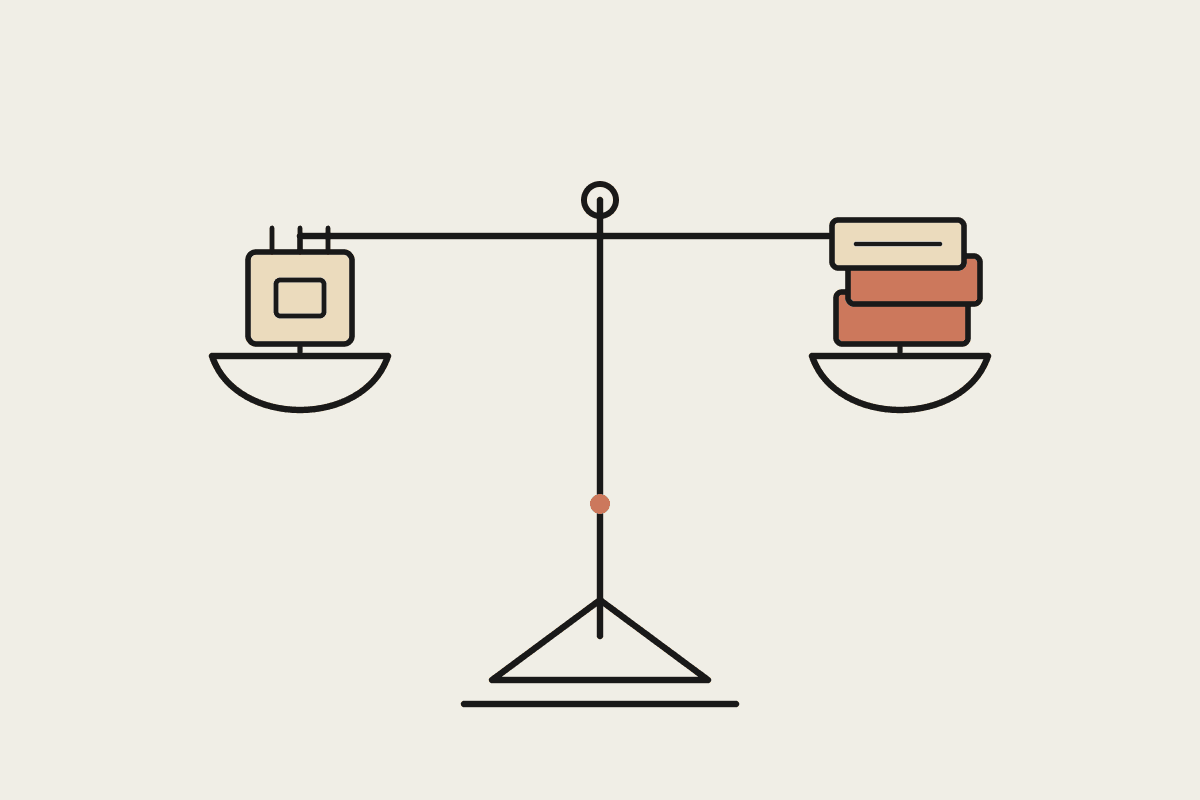
The picture changes on the hardest work. On complex software engineering and careful, multi-step reasoning, rival models still tend to lead, and the gap is wide enough to matter on real projects.
Rivals often lead on complex coding and large refactors
Careful, auditable reasoning on long problems
Different ecosystems and privacy postures suit different teams
Claude, for example, is the model we reach for when a task is sensitive, long-running, or needs a clear chain of reasoning a client can inspect. That is not a knock on Gemini, it is a reminder that model choice is really task choice.
What it means for you
The honest conclusion is uncomfortable for anyone who wants a single answer. There is no best model in 2026, only the best fit for a given task and a given set of tools.
Pick per task, not per brand
Weigh the tools and data you already have
Re-assess each time a major release lands
How to get the decision right
Strategy questions go wrong when they are settled by a demo or a headline rather than your own evidence. A short, structured trial on real work removes most of the guesswork and gives you something you can defend to a board or a business partner later.
Write down the decision and name who owns it
Test on real tasks from your business, not vendor demos
Set a review date so the call is never treated as permanent
Keep a short record of why you chose what you chose
Common mistakes to avoid
The biggest errors here are strategic, not technical. Teams pick a tool because a competitor did, or because a launch looked impressive, then discover months later that it never fit the work. A little discipline up front avoids most of that pain.
Choosing on hype or a single polished demo
Standardising on one model before testing on real tasks
Ignoring where your data is processed and stored under the Privacy Act
Treating the choice as permanent and never reviewing it
Skipping a written rule, so staff each do their own thing
Confusing a model launch with a business outcome
What this means for Australian businesses
Betting the business on one model based on this month's headlines can cost $50,000 or more to unwind once contracts, training and integrations are in place. For a larger rollout the figure climbs past $120K. A per-task approach, and a willingness to re-assess, keeps you flexible as the field keeps moving.
We assess models against your real tasks, not benchmarks
We weigh your existing tools, data and obligations
We re-assess the call as the field changes
Key takeaways
If you remember nothing else about gemini vs competitors 2026 for your Australian business, hold on to these points.
Gemini leads on speed, price and Workspace integration
Rivals still lead on the hardest coding and reasoning
Match the tool to the task, keep a human on high-stakes work, and review the choice as models change
Talk to a Claude specialist
Automata AI is a Sydney based consultancy that helps Australian businesses put Claude to work safely. If you are weighing the options, book a short brainstorm and we will map the fastest path to value for your team.