Anyone can wrap an agent in a while-true and call it a loop. That is the easy 5 percent. The real work of an autonomous agent loop, the kind you can actually walk away from, is the guardrails. This is a practitioner's field guide to loops that run themselves, reframed for Australian businesses standing up Claude-powered automation. Get the guardrails right and a loop that costs a weekend to build can absorb the busywork of a $45,000 junior role. Get them wrong and you have a fast way to make expensive mistakes at scale.
The anatomy of a good loop
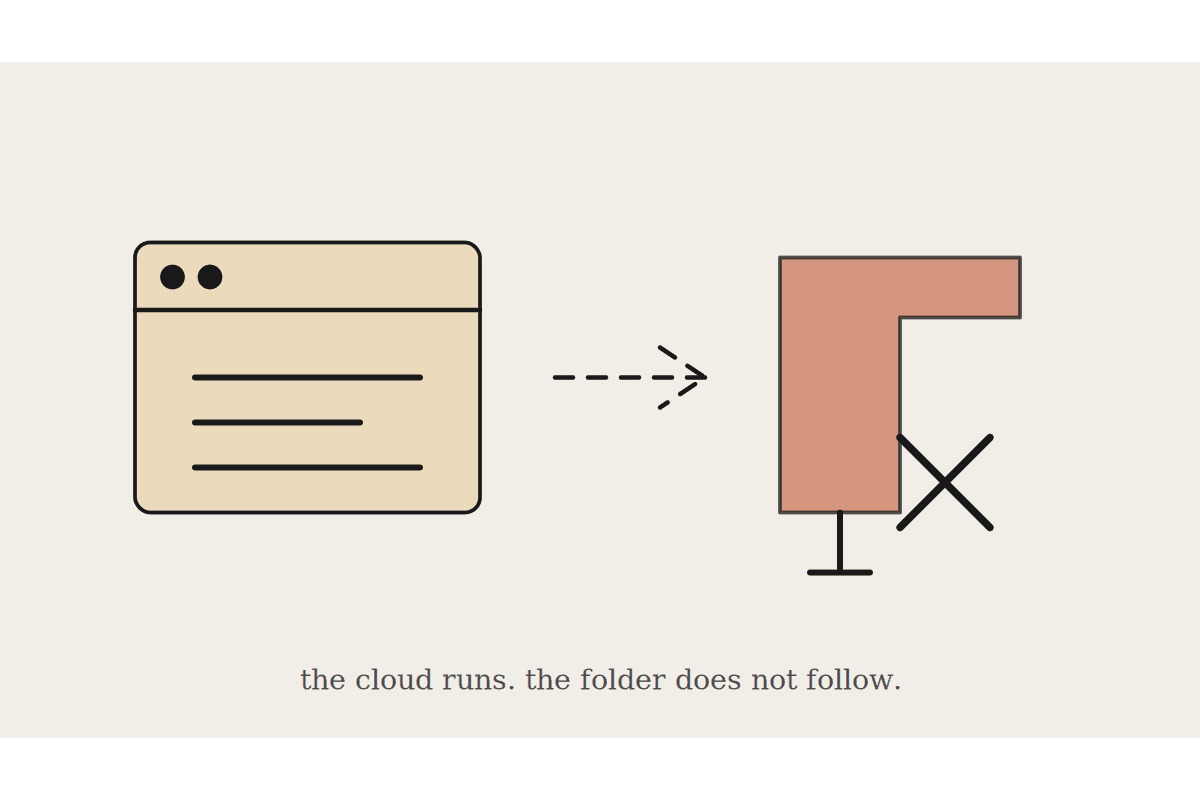
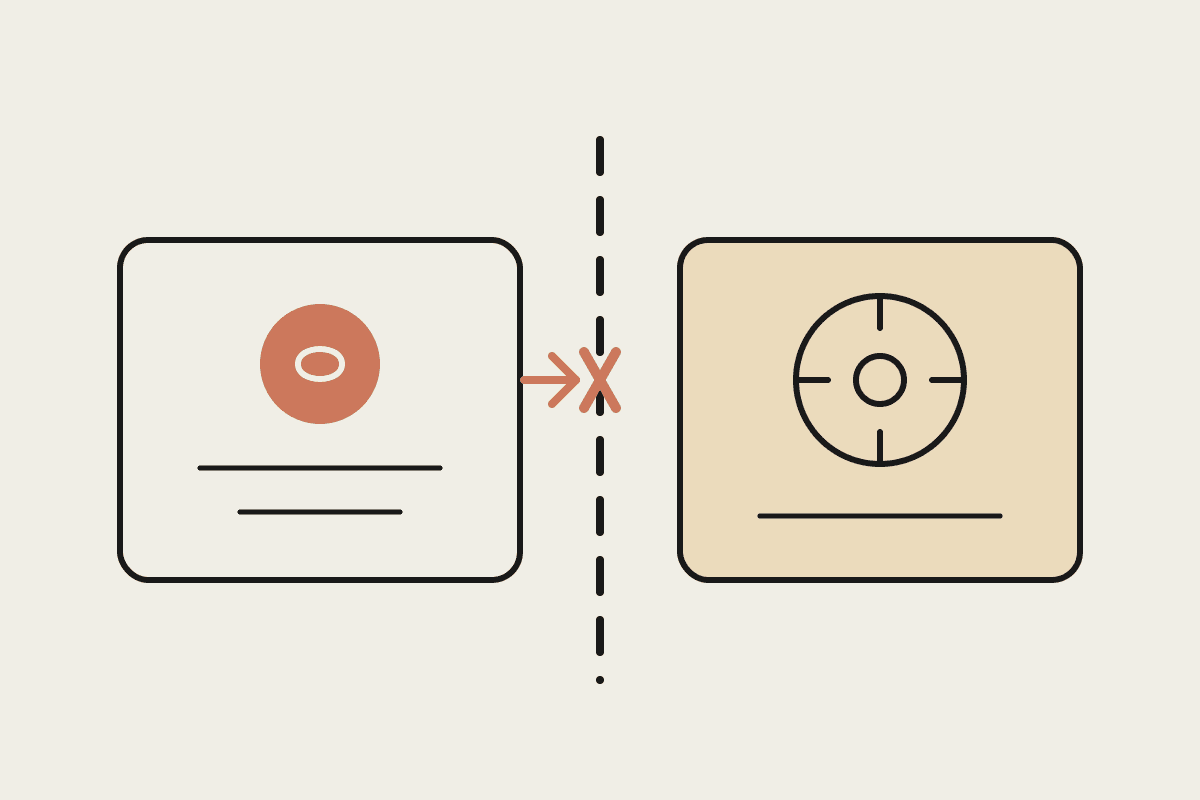
The loop contract. One markdown file, injected every run. It is the constitution: the goal (what winning looks like, and whether there is even a finish line), the boundaries (what it can ship on its own versus what needs a human), and the SOP (the steps each run follows). Most teams underinvest in boundaries, and that is the part that decides whether you can walk away. A well-scoped error-sweep loop's whole fence can be four sentences: fix only when the root cause is clear and low risk, anything risky opens a pull request and flags a human, one pull request per fix, never copy credentials into a report. Inside the fence it ships on its own. Outside it, a human decides.
State and logs. A loop that forgets everything between runs is a cron job with extra steps. State is the durable picture, the backlog and the current hypothesis, read at the top of every run and kept small. Logs are the append-only record of what happened. State absorbs what the loop learns by running, which is why a good loop is worth more in month three than in week one.
The verify. This is the prerequisite for any loop doing high-stakes work, like real production code or messages to real customers. You want verification to be easy and to produce evidence a human can glance at: a dev-local script, a way to drive the app like a real user, a verify skill, and a place to attach screenshots and video. A pull request from a loop should not arrive as trust me it works. It should arrive with a recording of the thing working, so approval takes seconds because you are watching behaviour, not reading a diff and hoping.
The trigger. What wakes the loop up, and picking right is half the cost model. A continuous for-loop is good for bounded pushes but wasteful as a permanent fixture. Time-based cron suits maintenance loops. Event-based triggers only run when there is something to act on, so put a cheap gate in front and empty runs cost almost nothing.
Two bigger ideas once loops get non-trivial
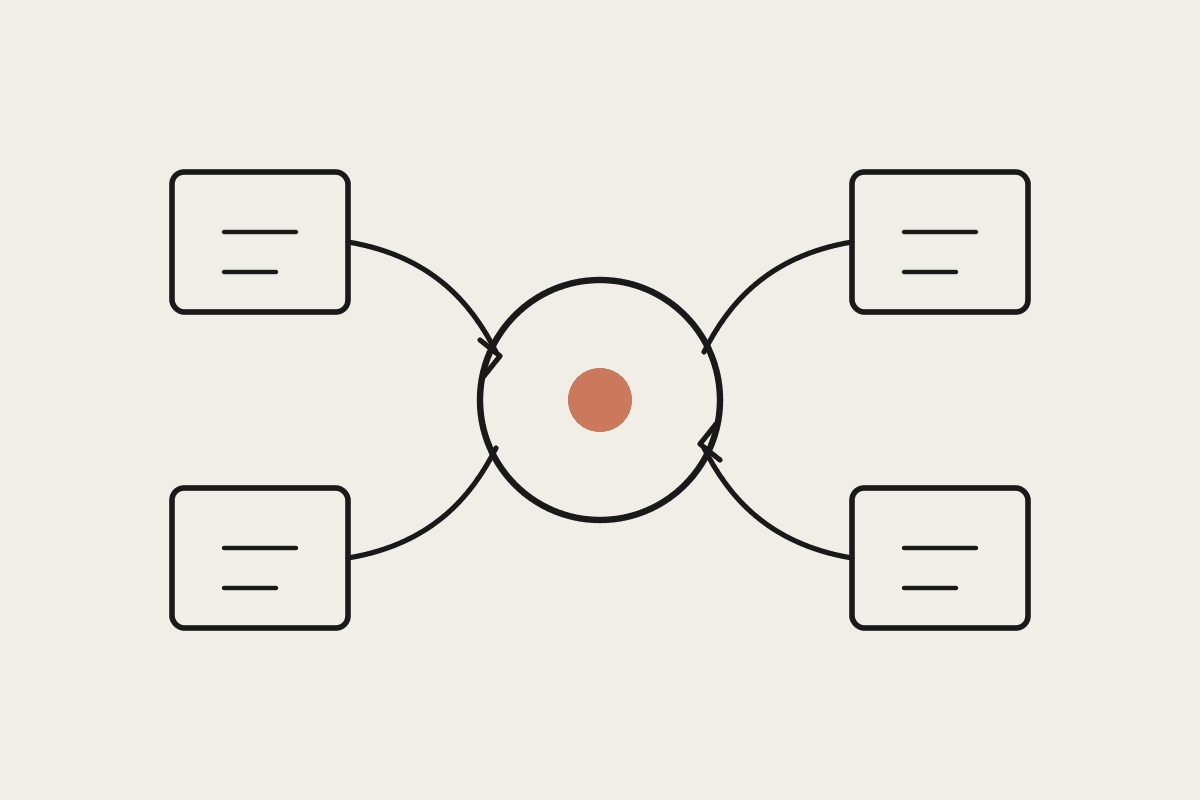
Orchestrator, executor, verifier. The orchestrator finds the work. It does not do the work; it gathers signals, picks the single most worthwhile thing, and hands off. The executor does the job in an isolated box. The verifier proves it and attaches evidence. Not every loop needs all three, so build the one-layer version first, feel the pain, then add exactly the layer that fixes it.
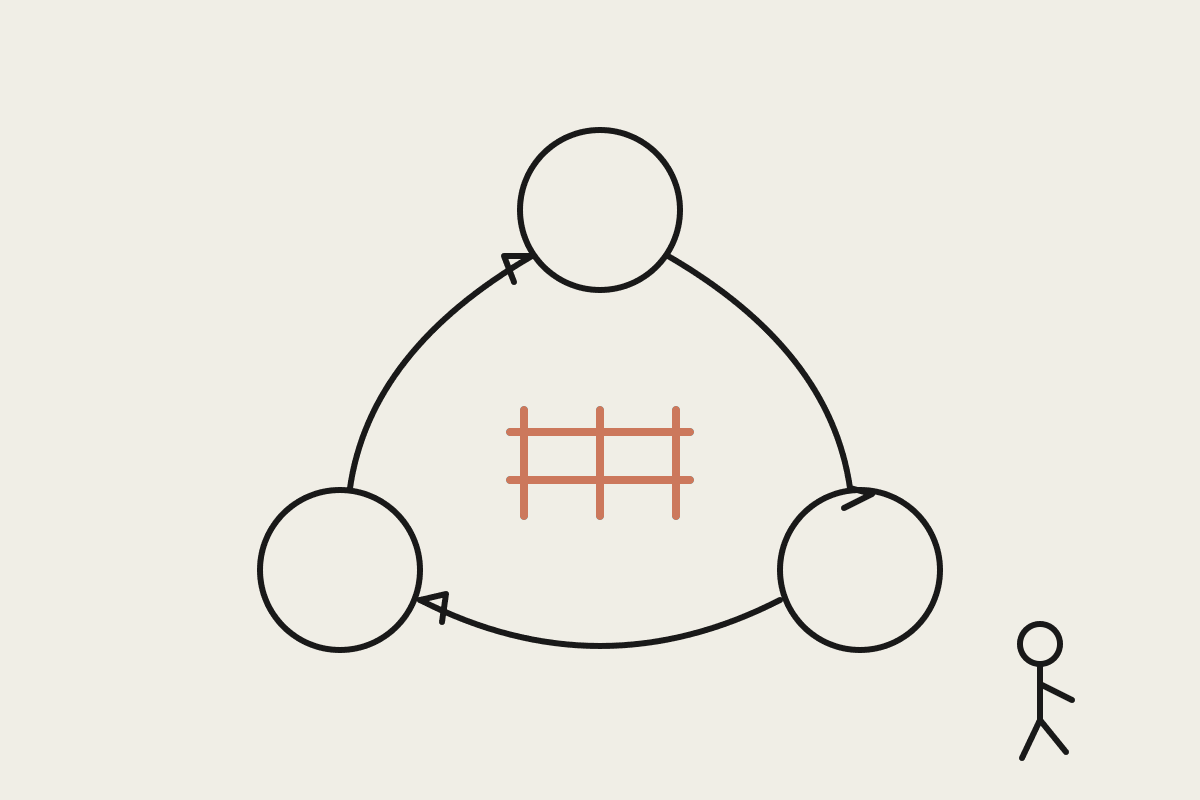
The evolve loop. Fragile systems fear volatility, robust ones survive it, antifragile ones gain from it. Make evolve its own run: an agent reads the last dozen runs plus cost, asks where mistakes repeat and which boundary is too loose or too tight, and its output is not product code but changes to the loop itself. A loop that improves the loop.
Loops worth copying first
Doc maintainer. Weekly. It reads the diff, checks the docs, and opens one pull request if something drifted. Build this one first.
Error sweep. Every morning. It pulls the last 24 hours of production errors, ranks them by occurrences times users, fixes the worst in isolation, verifies, and ships a pull request.
Support triage. Hourly against the inbox. Every ticket is a free window into a product gap.
CRM lifecycle. Never touches code. It proposes segments, drafts personal emails, has a verifier fact-check every claim, and sends tiered by risk. Autonomy is earned per segment.
A checklist before you let it run
A contract file read every run, with boundaries that separate ships-on-its-own from asks-a-human.
State and logs so it never re-does work it has already finished.
A cheap verifier that proves its output with evidence, not assurances.
Isolated execution per run and a cost-effective trigger.
An evolve cycle, and scope small enough that just let it run feels comfortable.
Start with the doc maintainer, prove the pattern on something low risk, then earn autonomy one boundary at a time. That is how a loop goes from a fun demo to something a Sydney or Melbourne team trusts to run overnight. Automata AI helps Australian businesses design Claude agent loops with exactly these guardrails. Book a brainstorm.