Most teams that adopt AI hit the same wall within about a month. The pilot works, the output is good, and then someone asks the obvious question: who checks this before it goes out? The honest answer is usually a person, and that person quickly becomes the bottleneck the whole system was meant to remove.
Human-in-the-loop design is the practice of deciding exactly where a person reviews AI output, what they are checking for, and how fast that check can happen. Done well, the gate catches the errors that matter and waves through the work that does not need a second set of eyes. Done badly, every task waits behind one overloaded reviewer and the team quietly goes back to doing everything by hand.
Why approval gates slow teams down
A gate slows a team for one of three reasons, and none of them are the AI's fault:
The gate sits in the wrong place. A reviewer signs off on a first draft that will be edited twice more anyway, so the same content gets checked three times.
The reviewer has no clear standard. Without a written rule for what approved means, every review becomes a judgement call, and judgement calls are slow.
Everything routes to one person. A single approver for a team of ten turns a five-minute task into a two-day wait.
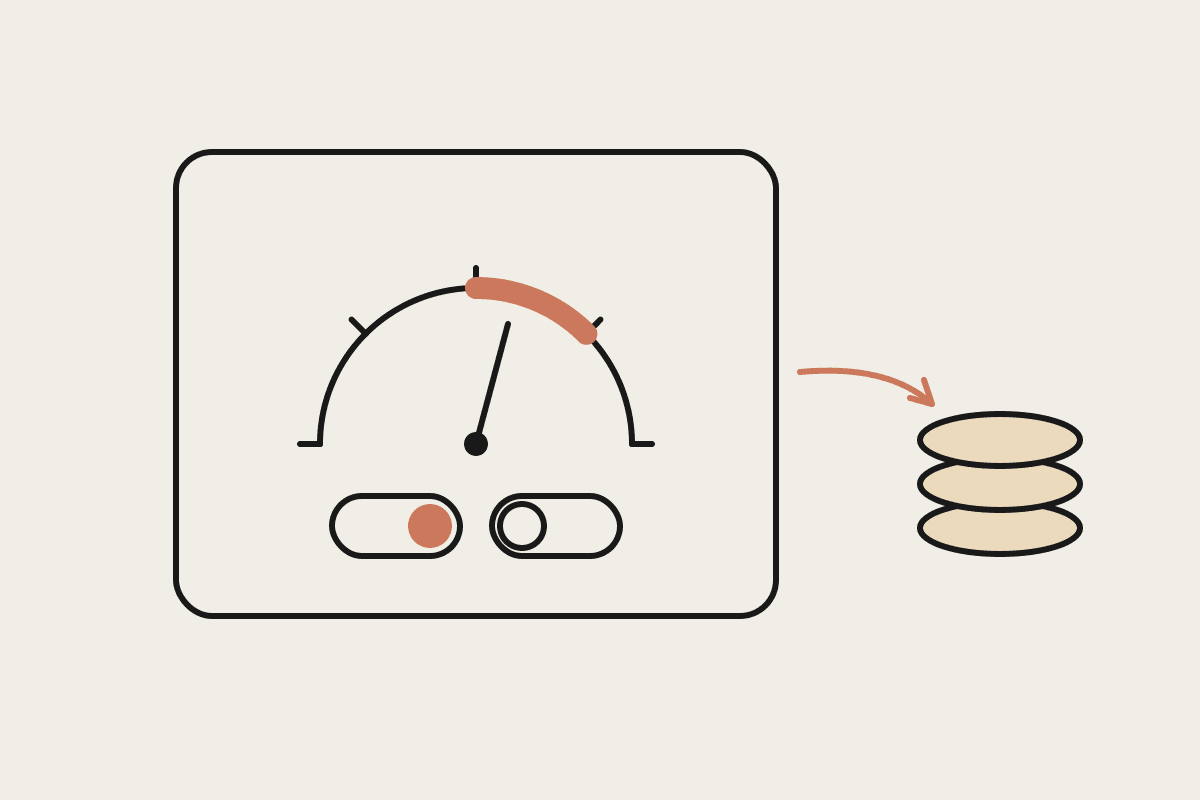
A Sydney professional-services firm we worked with was running every AI-drafted client email past a partner. At roughly 40 emails a day and two minutes of partner time each, that habit was costing about $45,000 a year in senior time, most of it spent approving messages that were already fine. The gate was real. It was just in the wrong place and open to everyone.
The three questions that decide where a gate belongs
Before you add a checkpoint, answer three questions honestly.
What happens if this is wrong?
The cost of an error sets the height of the gate. An AI-drafted internal meeting summary that is slightly off wastes a few minutes. An AI-generated statement to a regulator, or a client contract with the wrong figure, can cost far more. Match the review effort to the downside, not to your general nervousness about AI.
Can the standard be written down?
If you can describe what good looks like in a checklist, you can usually move the check earlier and make it faster. If approval genuinely depends on context only a senior person holds, keep them in the loop, but give them less to read.
How reversible is the action?
Reversible actions need lighter gates. A draft saved to a folder can be fixed later. A message sent to a client, a payment released, or a record changed in a live system cannot be un-sent as easily, so those deserve a firmer checkpoint.
Designing gates that hold at speed
Once you know where the gate belongs, a few design choices keep it from turning into a queue:
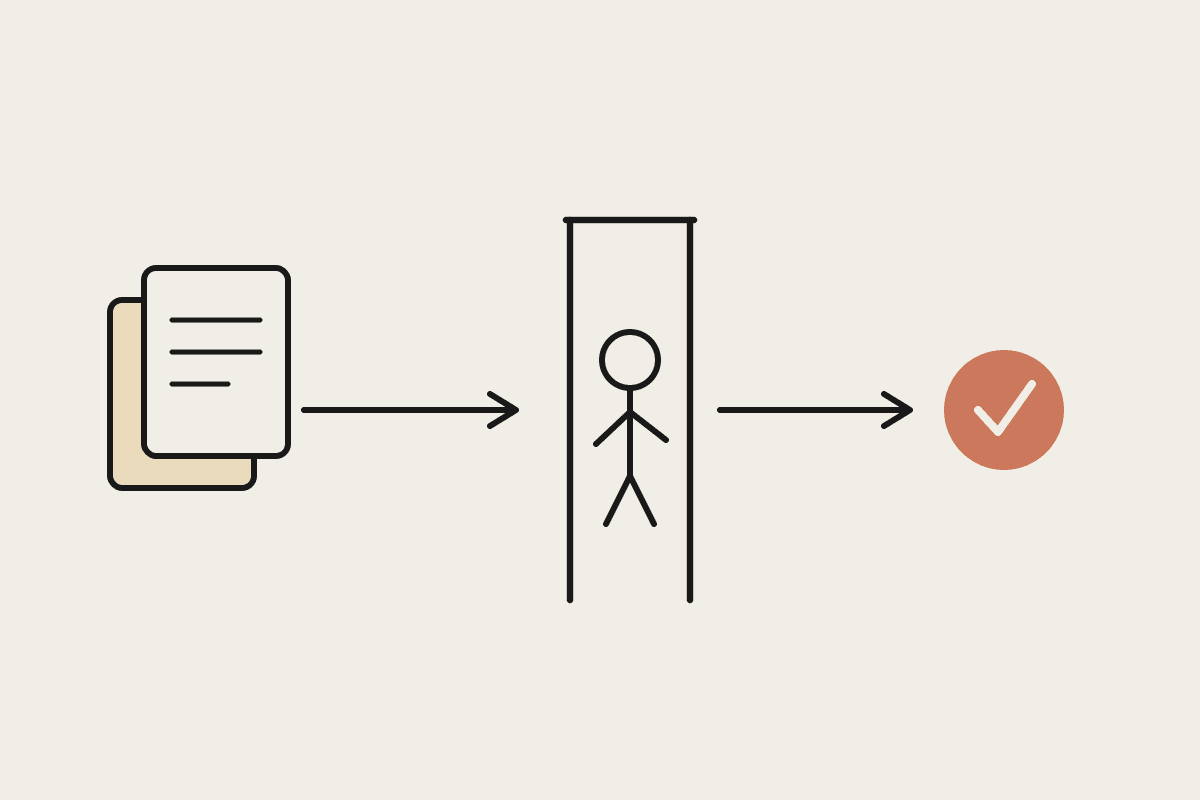
Tier the work. Route low-risk output straight through and reserve human review for cases that clear a risk threshold. Most teams find the majority of tasks are genuinely low-risk.
Review the exception, not the rule. Ask the reviewer to confirm the AI's decision only when it flags low confidence or an unusual input, rather than reading every item.
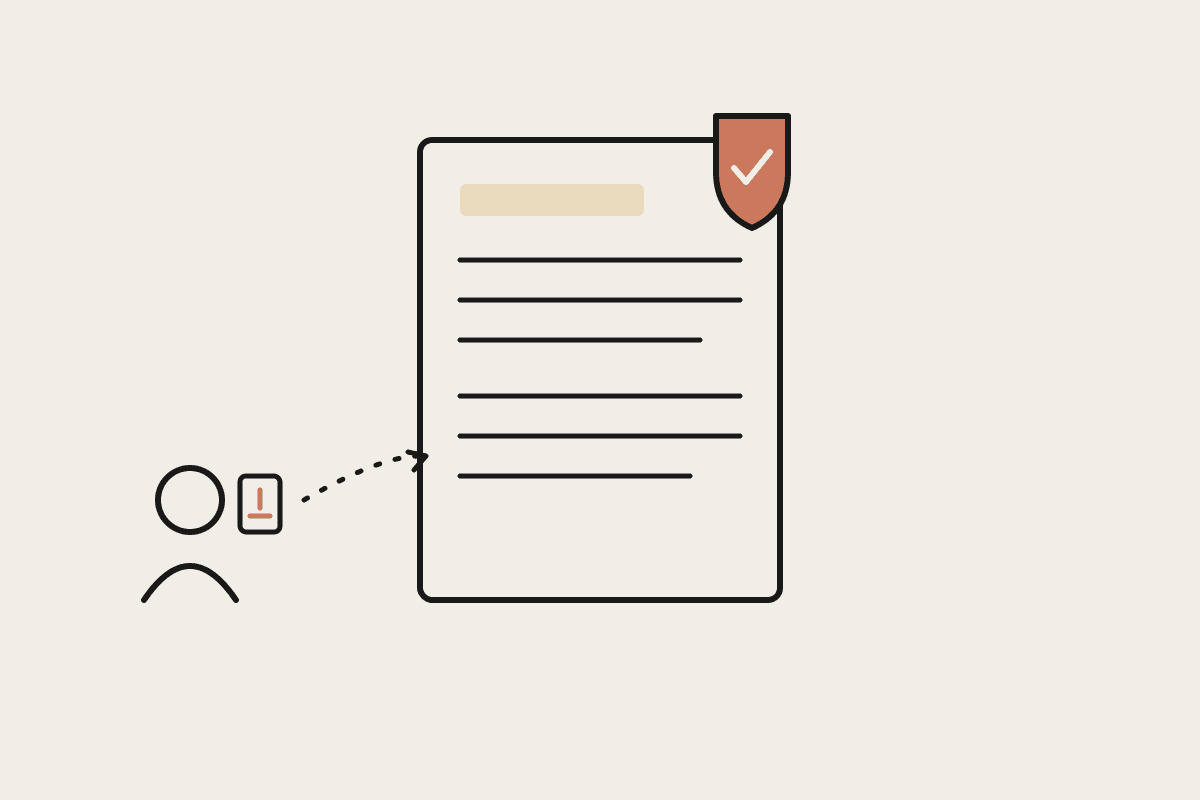
Give the reviewer a decision, not a blank page. Present the draft, its reasoning, and a clear approve-or-reject action. A one-click decision is far faster than an open-ended edit.
Spread the load. More than one approver, or a rotating roster, stops a single person from becoming the constraint.
Log every decision. A record of what was approved and rejected becomes the evidence for tightening or loosening the gate later.
For regulated work, the gate is not optional. Under the Privacy Act and APRA's guidance on operational risk, an Australian business stays accountable for a decision even when software produced it. A documented human checkpoint is often what turns "the AI did it" into a defensible process. The real design question is not whether to have a gate, but how to make it fast enough that people use it instead of routing around it.
What this looks like with Claude
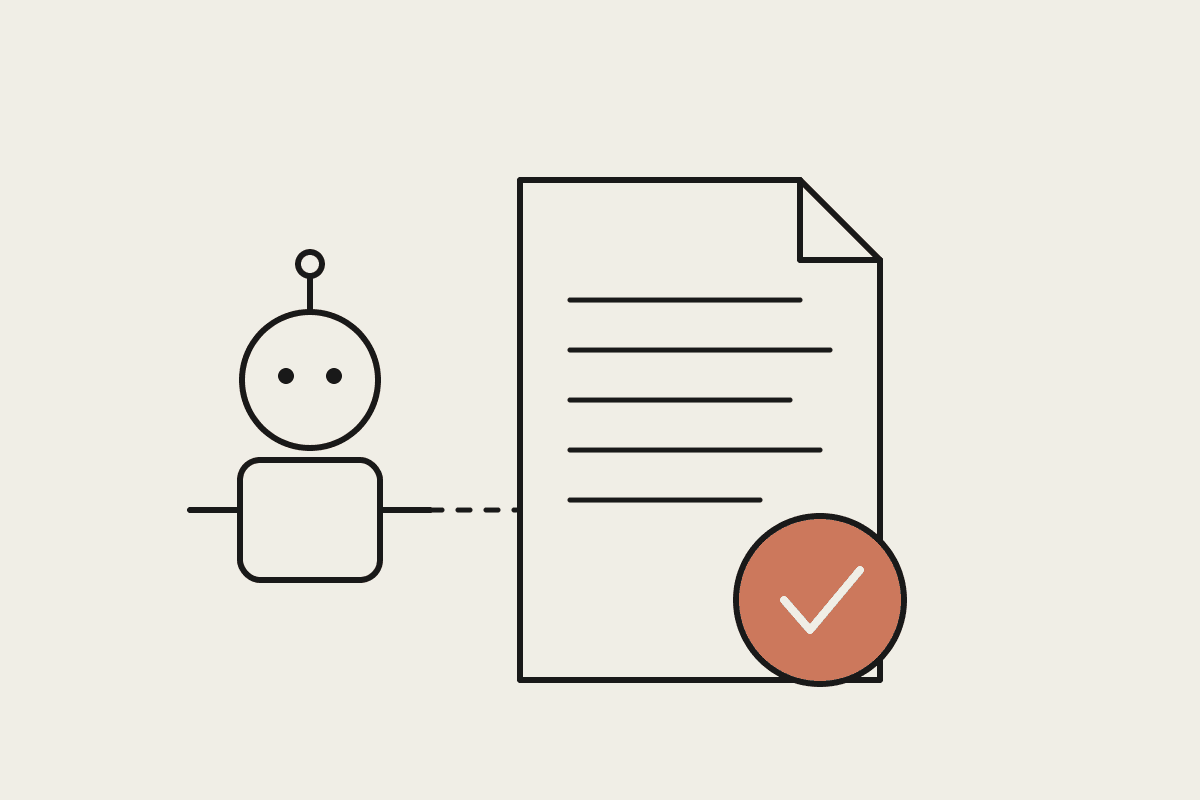
Claude fits this pattern well because it can show its work. When Claude drafts a response, it can explain which policy or source it relied on, flag where it was unsure, and lay the output out so a reviewer sees the decision and the reasoning side by side. That turns review from re-reading everything into checking the one thing that matters. For higher-risk steps, Claude can stop and ask for a human decision before it acts, so the gate is built into the workflow rather than bolted on afterwards.
The firm above moved from partner-approves-everything to a tiered model. Routine client emails went out after a junior check against a written standard, and only the sensitive ones reached a partner. Turnaround dropped from a day to under an hour, and the senior-time bill fell by more than two-thirds. The gate did not disappear. It moved to where the risk actually was.
Good human-in-the-loop design is mostly about honesty: being clear about where errors actually hurt, and refusing to check the work that does not need it. If you want help mapping the gates in your own AI workflows, you can book a short session with our team.