Most Australian venues set their menu prices once, on opening day, and then rarely revisit them. The specials board turns over every week, but the core menu sits untouched while supplier costs climb quarter after quarter. Menu engineering is the discipline of checking, dish by dish, which items actually make money and which ones quietly lose it. Claude can run that analysis from the exports you already have and hand back a short list of pricing and menu changes you can action this week.
What menu engineering actually measures
Menu engineering looks at two numbers for every dish: how much money it contributes after food cost, and how often people order it. Plot those two against each other and every item on the menu lands in one of four groups. Knowing which group a dish belongs to tells you exactly what to do with it, and it turns a vague sense that the menu is too big into a concrete plan.
Stars: high margin and high popularity. These pay the rent, so protect them and give them the best real estate on the menu.
Workhorses: low margin but high popularity. Customers love them and profit is thin, which makes them candidates for a small price rise or a cheaper garnish.
Puzzles: high margin but low popularity. Good earners that few people order, so they are worth renaming, repositioning, or describing better on the page.
Dogs: low margin and low popularity. Usually the first items to cut when you trim the menu, and often the ones tying up prep time for no return.
Where the numbers usually hide
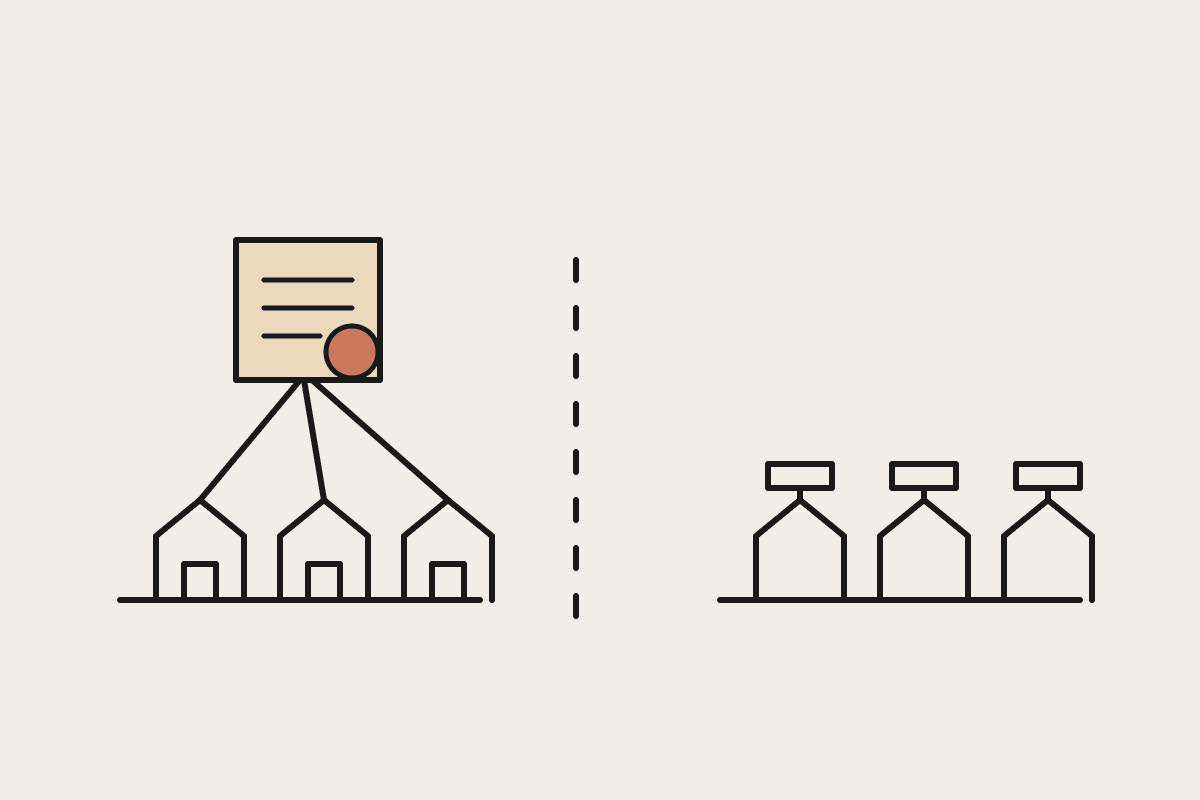
The maths is simple. Gathering the inputs is the part that stalls most owners. A real contribution margin needs the current food cost for each dish, and that figure is scattered across three places: your point-of-sale sales export, your supplier invoices, and the recipe card that lives in the head chef's memory. A dish costed at $5.40 when the venue opened might really cost $6.20 today after two years of produce price rises, which quietly turns a healthy margin into a marginal one without anyone noticing.
How Claude runs the numbers
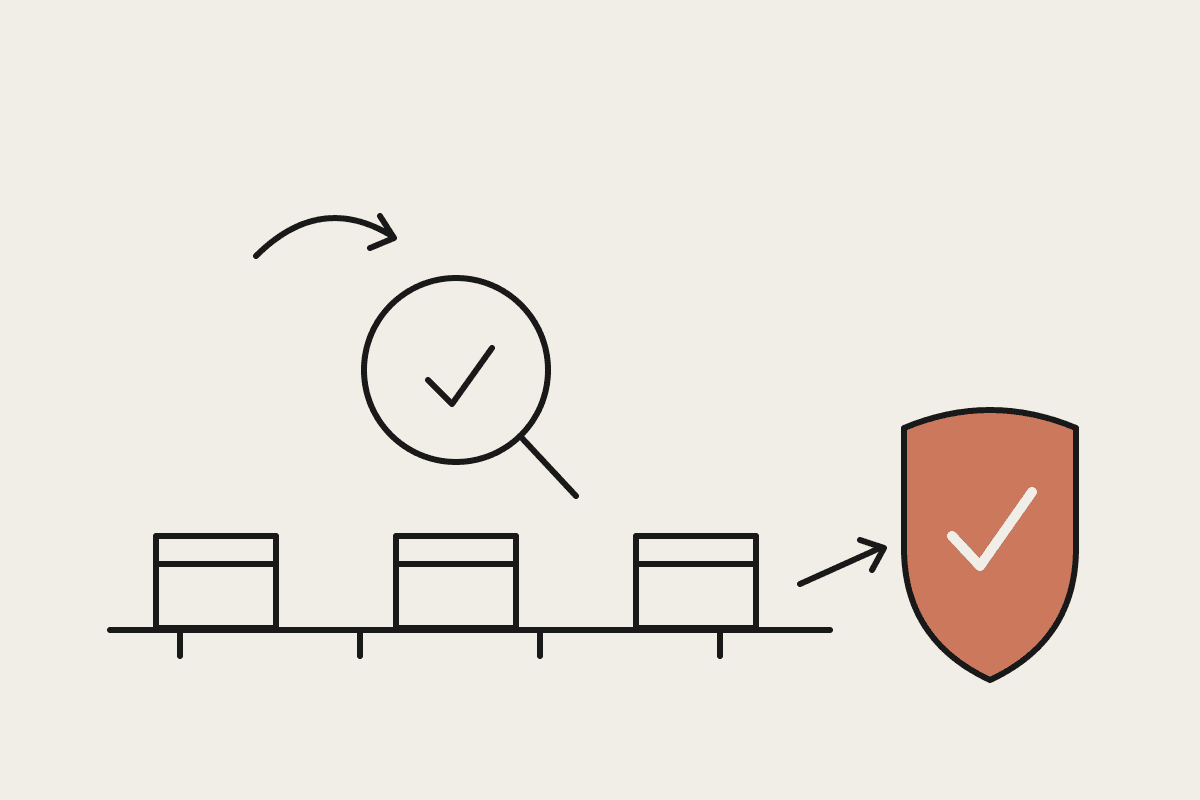
Give Claude a POS export of dish sales and a folder of recent supplier invoices, and it can rebuild the cost of each dish from its recipe, apply the current ingredient prices, and calculate contribution margin per item and per category. On a menu of 40 dishes that is a few hours of spreadsheet work finished in minutes, and it repeats cleanly every quarter when costs shift again. You stay in control of the recipe assumptions; Claude just does the arithmetic quickly and consistently across the whole menu.
Say a pasta sells for $28 and now costs $6.20 to plate. That is a contribution margin of $21.80 and a food cost of about 22 percent, which is strong. A seafood main at $32 that costs $14.50 sits at 45 percent food cost and a $17.50 margin. Both look acceptable on the surface, but if the seafood dish sells only four plates a night while the pasta sells thirty, Claude will flag the pasta as the item to protect and the seafood as a puzzle to reposition or rework.
A worked example
A mid-sized Melbourne bistro turning over about $1.2 million a year ran its full menu through this process. Claude found that eleven dishes had drifted above 38 percent food cost, three of them past 50. Repricing six items by an average of $2 and cutting two genuine dogs added a projected $45,000 to annual gross profit without touching wages or covers. The owner approved the whole set of changes in an afternoon, rather than putting the review off for another year.
Make it a quarterly habit
The value is not a one-off. Produce prices move with the seasons, and a dish that clears 30 percent food cost in autumn can slip past 40 percent when tomatoes or seafood spike. Running the same review every quarter keeps the menu honest and stops slow cost creep from eating a full point of margin before you notice it in the bank balance. Because Claude works from the same export format each time, the second run and every run after it takes minutes to prepare rather than a fresh afternoon of spreadsheet wrangling.
What stays with you
Claude produces the analysis, not the final call. Pricing is a judgement about your customers, your suburb, and what the venue down the road charges. The tool can tell you a dish is underpriced; you decide whether your regulars will wear a two-dollar rise or whether the plate needs a cheaper rebuild instead. Labour costs under the Hospitality Industry (General) Award also sit outside the food-cost figure, so a dish that looks profitable on ingredients alone may still be slow and staff-heavy to produce. That context is yours to add, and it is where an experienced operator earns their edge.
Menu engineering is one of the clearest and fastest returns a hospitality operator can get from Claude, because the data already exists and the payback shows up on the very next order. Whether you run one cafe in Sydney or a small group of restaurants across town, the review takes the same shape and the same short setup.
If you would like a hand setting up a quarterly menu review that runs on your own exports, book a short call and we will map it to your POS and supplier setup.