The MiniMax M3 release in June 2026 put native multimodality on the front page: one open-weight model that reads text and images in the same request rather than handing pictures off to a separate system. The capability sounds impressive, and for some Australian businesses it genuinely changes the maths. For others it answers a question they were never asking. Knowing which camp you sit in saves real money and a fair bit of disappointment.
What native multimodality actually means
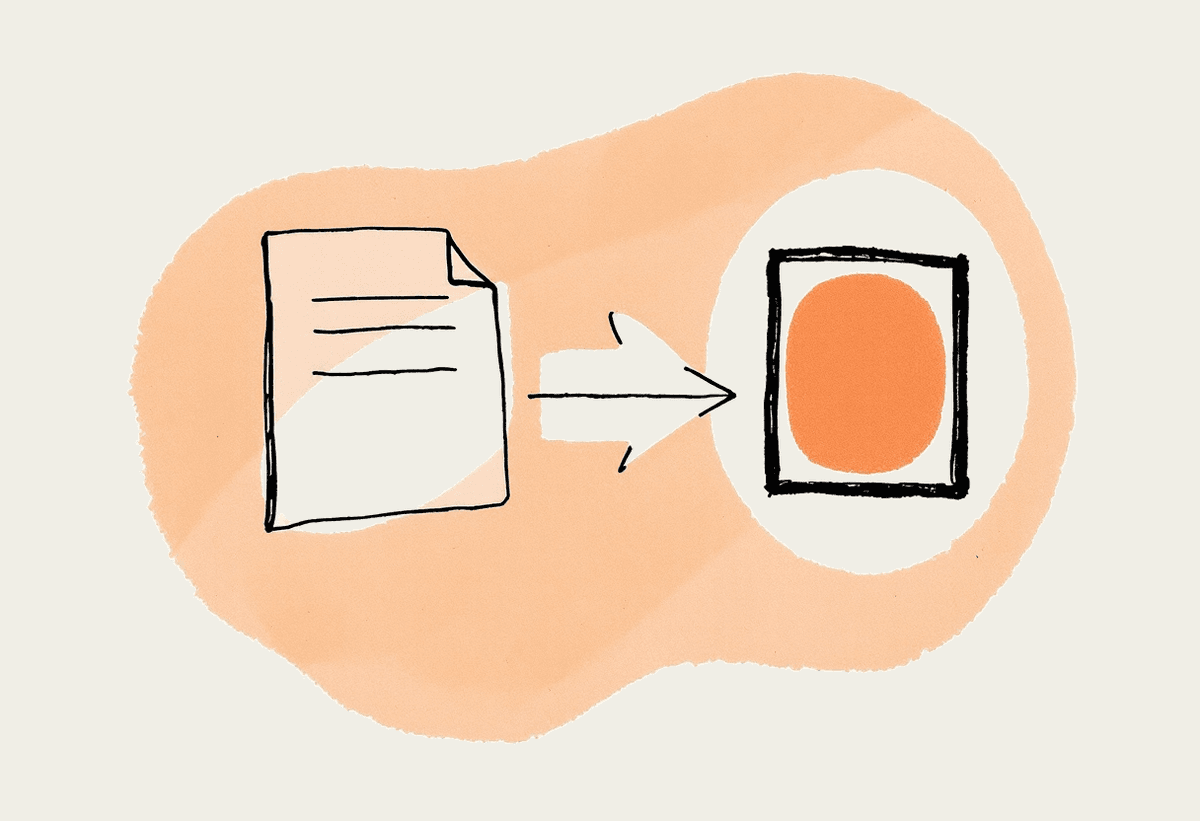
A multimodal model can read a document, interpret a photo, and reason about both inside a single prompt. The word native matters here. It means the understanding of images is built into the model from training rather than bolted on through a separate vision tool that passes a text description back. In practice that means fewer moving parts, fewer points of failure, and a model that can hold a picture and a paragraph in mind at the same time.
The business cases where this earns its keep share a pattern. They involve images and text arriving together, where the layout or the visual content carries meaning that plain text cannot capture.
Processing scanned forms, receipts, or handwritten notes where the position of a number on the page tells you what it is.
Quality checks that compare a product photo against a written specification.
Support tickets that arrive with a screenshot attached, where the image is half the message.
Reading plans, labels, or signage where a photo is faster than a long written description.
If that describes a chunk of your daily work, a multimodal model can remove an entire manual step. If your work is almost entirely text, such as drafting, summarising, or answering written enquiries, multimodality is a feature you will rarely reach for, and you should not pay extra for it.
Open-weight or Claude?
Several open-weight models now ship multimodal features, and MiniMax M3 pushed the open side forward in a real way. We still build most client systems on Claude, from Anthropic, and the reason is reliability on messy inputs rather than headline benchmarks. The images Australian businesses actually send are rarely clean: faded receipts, photos taken in poor warehouse light, mixed-quality PDFs scanned on an old office machine. A benchmark win on tidy test images does not always survive contact with a tradie's phone camera.
That said, an open-weight multimodal model deserves a serious look in a few specific situations:
Image data is sensitive or commercially restricted and has to stay on infrastructure you control.
Volume is high enough that per-image API costs start to add up over a year.
You need to fine-tune the model on a narrow visual task that a general model handles poorly.
Most mid-sized Australian businesses do not hit all three at once. The pragmatic setup is usually a managed model like Claude for the bulk of the work, with a self-hosted open-weight model held in reserve for the genuinely sensitive image tasks. That keeps maintenance low while still respecting data rules where they apply.
Where the Privacy Act fits in
Images carry personal information just as text does, and often more of it. A photo can include a face, a number plate, a signature, or an address in the background. Under the Privacy Act, Australian businesses handling that kind of data have obligations about how it is stored and who can see it. This is one of the clearer reasons an operator might choose a self-hosted open-weight model: it keeps the images on systems the business controls rather than sending them to a provider. The trade is upkeep and security work that someone has to own, so weigh the data sensitivity against the staffing reality before deciding.
Sizing the value before you commit
The honest way to judge multimodality is to count the manual steps it would remove, then put a dollar figure on them. A Brisbane wholesaler processing 2,000 supplier documents a month by hand might spend $4,000 to $6,000 a month in staff time on data entry alone. If a multimodal model handles eighty per cent of that accurately, the business case writes itself. A Melbourne consultancy that mostly produces written reports will see almost none of that benefit, and should point its AI budget at text work instead.
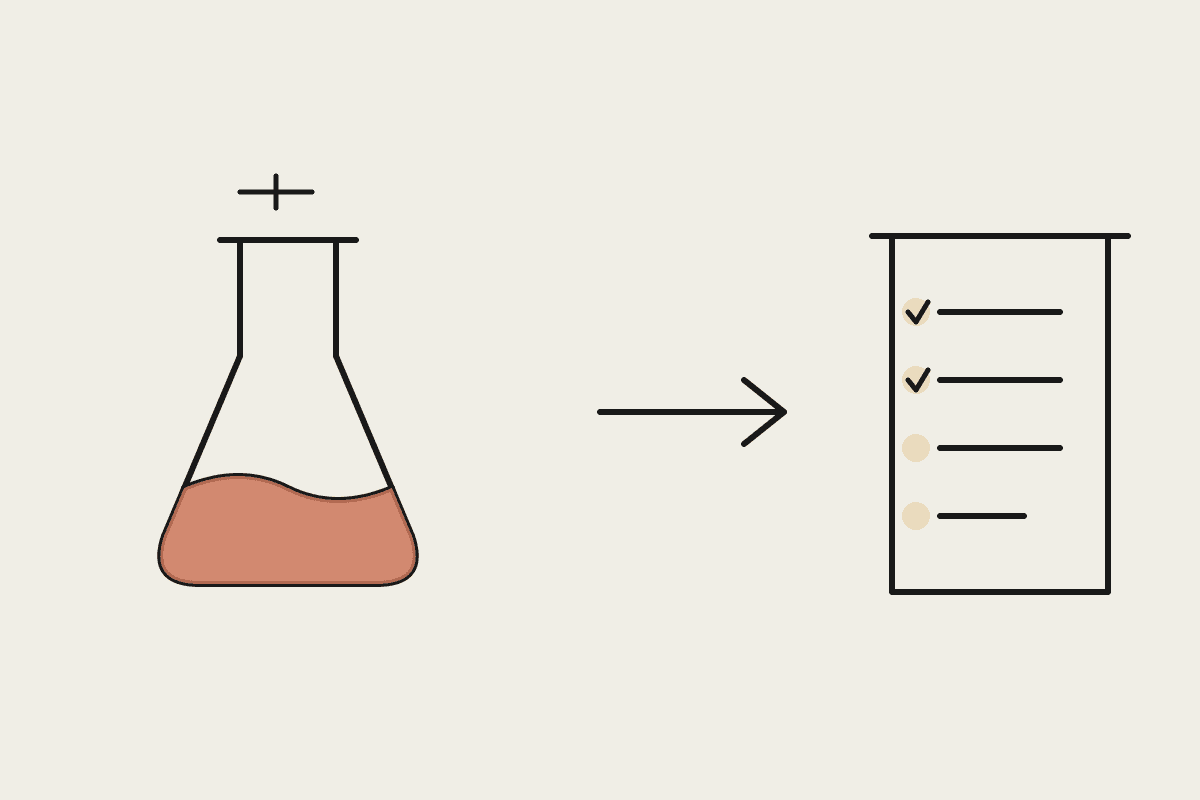
A short pilot answers the question better than any vendor claim. Feed the model a representative sample of your real documents, the awkward ones included, and measure its accuracy against a human baseline. A build for a focused multimodal task usually lands around $15,000 to $30,000 depending on volume and how much checking the output needs, and a pilot to test the idea first costs a fraction of that. Decide from your own results rather than the marketing.
The short version
Multimodality is a real capability, not a gimmick, but it is not universal value. The Australian businesses getting the most from it are the ones with a genuine text-and-image workload who tested on their own files before building anything. If your work is mostly words, spend the budget elsewhere. If it is a mix of documents and photos, a pilot will tell you quickly whether the saving is there. If you are not sure which side of the line you sit on, book a brainstorm and we will help you size it.