Open-weight does not always mean open forever. In 2026 MiniMax moved its M2.7 model from a permissive MIT licence to a non-commercial one that requires written authorisation for commercial use. Anyone who had built a product on the old terms woke up to a problem. For Australian businesses betting on open models, licence terms deserve as much attention as benchmark scores, and a lot more than they usually get.
What actually changed
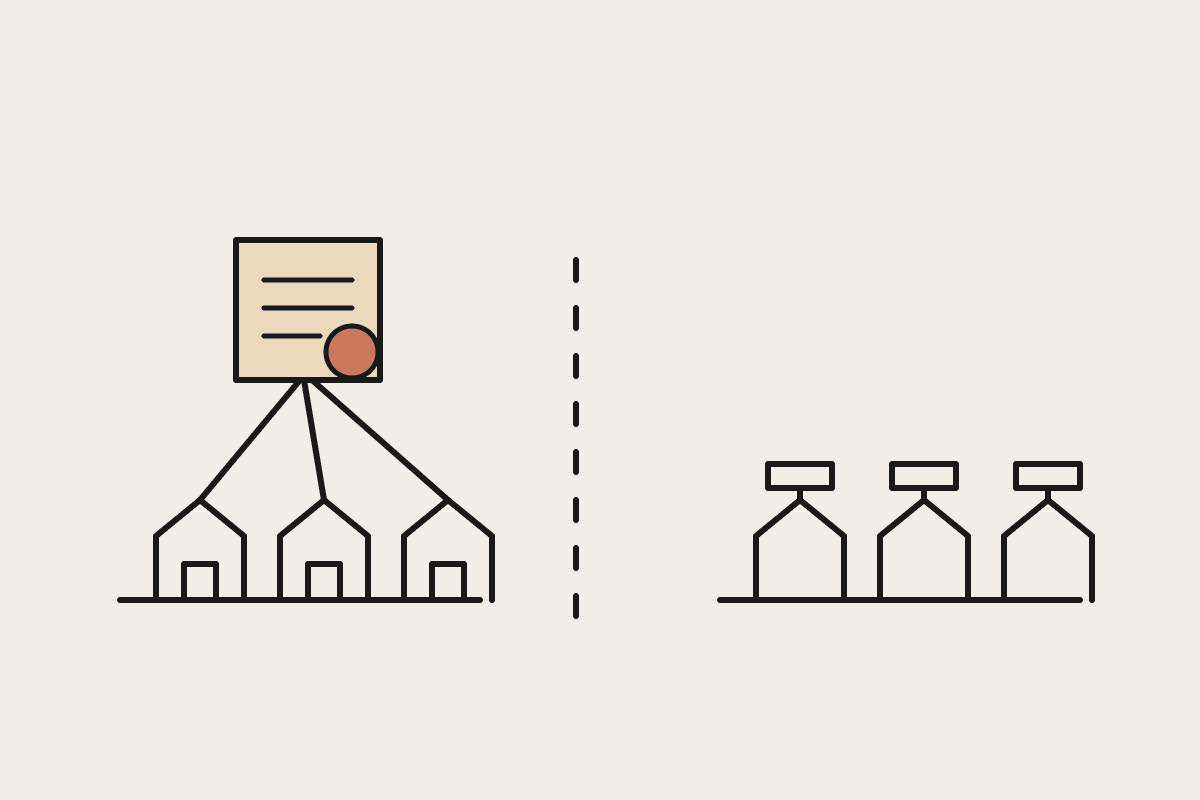
The shift was not subtle. The same model that was free to use commercially now needs a signed agreement for the same use. Two lessons stand out:
A licence is a snapshot, not a guarantee. The terms you download today can change on the next release.
Open weight and open source are not the same. Some models share their weights under restrictive terms that limit commercial use, even though you can download them freely.
If your product depended on that model, you are suddenly choosing between a licence negotiation, a migration, or a legal risk you did not sign up for. None of those is a good place to be discovered by a customer.
The wider licensing picture
Most of the market is moving the other way, toward clarity. The dominant trend in 2026 is Apache 2.0:
Mistral 3 ships entirely under Apache 2.0.
Google's Gemma 4 uses Apache 2.0, terms most corporate legal teams already understand.
GLM-5.2 launched under a permissive MIT licence.
Permissive licences now cover the large majority of open components in general, which is why the MiniMax reversal stood out as an exception rather than the rule. The risk is real, but it is the tail, not the trend.
What this means for Australian buyers
If you are building on an open model, treat the licence as a commercial risk to manage, the same way you would a key supplier:
Read the actual licence, not a blog summary, and have a lawyer confirm commercial use is permitted for your case.
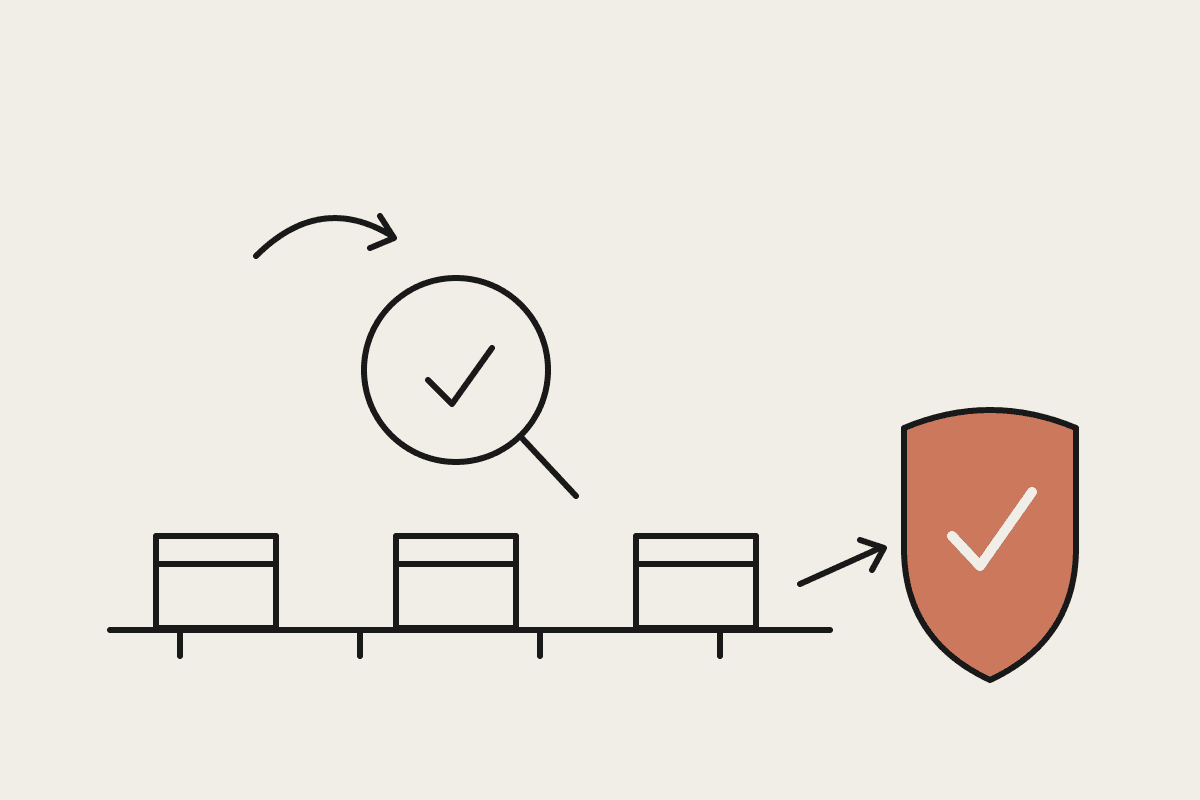
Pin the exact model version you validated, so a later release with new terms does not apply to you by surprise.
Keep a fallback model identified in case terms or availability change at short notice.
A licence change can strand a deployment that cost $20,000 or more to build, so a few hours of legal review up front is cheap insurance against a very expensive surprise.
Why managed models sidestep this
A managed model such as Claude carries a stable commercial agreement. The terms are contractual, the provider cannot retroactively forbid the use you signed up for, and a Sydney or Brisbane business has a counterparty to hold to account if something changes. That predictability is part of what you pay for, and for many firms it is worth more than a free download with terms that can move under you.
The takeaway
Open licences are mostly getting clearer, but the MiniMax episode shows the risk is real and worth planning for. Whichever path you choose, read the terms, pin your versions, and keep a fallback ready. Treat the licence as part of the architecture, because that is exactly what it is.
Make the licence part of your architecture review
The MiniMax reversal is a useful prompt to do something most teams skip: treat the licence as a component of the system, with the same review you give a dependency or a vendor. When you select an open model, record the exact version, the licence it shipped under, and the date you checked it. That single note turns a future surprise into a known, dated decision you can defend to a board or a client.
Then give yourself an exit. Keep a second model identified and roughly validated, so that if terms change or availability drops you are switching to a tested fallback rather than scrambling. The cost of keeping a fallback warm is small. The cost of discovering you have none, on the morning a licence flips, is a stalled product and an awkward call with a customer who is relying on it.
For many Australian firms this is exactly why a managed model earns its keep. A contractual agreement does not change under you on the next release, and you have a named counterparty to hold to account if anything does shift. That stability is not glamorous, but it is worth real money to a business that cannot afford to re-architect on someone else's timetable. Read the terms, pin your versions, and keep the exit ready whichever path you choose.
Want your AI stack reviewed for licence risk? Book a free brainstorm with us.