Small architecture studios rarely have a spare admin person. The two to ten people who make up the practice are usually the same people drawing the plans, sitting in client meetings, and chasing the structural engineer for a revised detail. The admin work does not disappear between projects. It piles up in the gaps: the fee proposal that needs writing, the new job folder that needs setting up, the consultant emails that need sorting before the next design meeting. For a Sydney studio billing at roughly $95 an hour, an afternoon lost to that kind of shuffling is real money that never makes it onto an invoice.
Where the admin hours actually go
Most principals underestimate how much non-drawing time a project carries, because it arrives in small pieces rather than one big block. Across a year those pieces add up. A studio running fifteen to twenty jobs at once tends to lose time to the same handful of recurring tasks:
Writing and re-versioning fee proposals and scope letters for new enquiries
Setting up each new project: folder structure, drawing registers, consultant contact lists
Tracking which consultant owes which drawing before a coordination meeting
Drafting client progress updates and meeting minutes
Preparing document schedules for a development application or council lodgement
Reconciling timesheets against fee stages so invoices go out on time
None of this is design. All of it has to happen, and most of it lands on the most senior person in the room because they hold the context. A practice that spends six hours a week on this kind of coordination gives up around 300 hours a year. At the same $95 rate that is close to $28,000 of principal time that could have gone to billable work, or simply gone home earlier.
What Claude can pick up between projects
Claude is well suited to the text-heavy, repetitive parts of studio admin, the tasks that follow a pattern but still need judgement. The point is not to replace the architect. It is to hand off the first draft of work that a person then checks and sends. A few examples that translate directly to a small practice:
Turn a rough scope note into a formatted fee proposal that matches the studio's standard stages and wording
Read a thread of consultant emails and produce a short action list of who owes what by when
Draft meeting minutes from your bullet-point notes, in the tone the client expects
Build a document schedule or drawing register from a list of sheet names
Write the recurring client progress update so you only edit rather than start from a blank page
With Claude Code or Claude Cowork set up around the studio's own folders and templates, these tasks stop being blank-page work. You describe what you need in plain language, Claude returns a draft that already looks like your practice's documents, and you spend your time reviewing instead of typing. A short house-style file keeps the output consistent with how the studio already writes, so the fee letter reads like yours and not like a generic template.
A realistic first month
The mistake most studios make with any new tool is trying to change everything at once. A better start is to pick one painful, repeating task and get it reliable before adding the next. Fee proposals are usually the best first target, because they happen often and follow a clear structure. Give Claude three or four past proposals and your standard scope wording, and it can produce a first draft for a new enquiry in a couple of minutes rather than an hour.
Once that is working, the same approach extends to project setup and client updates. Within a month a two-person studio can reasonably expect to claw back most of a day each week, without buying new software beyond a Claude subscription. For a practice that has been quoting a fixed fee and quietly absorbing the admin overrun, that time goes straight back into margin. A single recovered day a week is worth roughly $3,000 a month at studio rates, which is the kind of number that pays for the setup many times over.
Keeping client information sensible
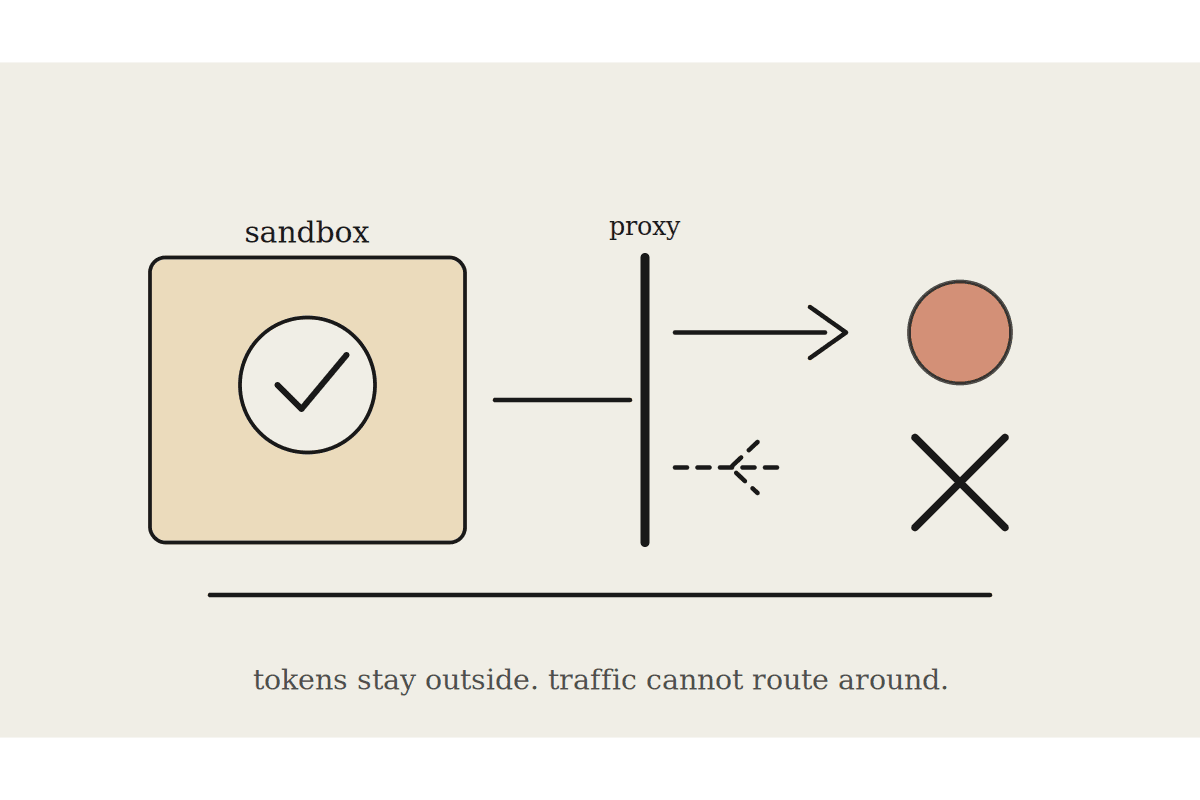
Architecture studios hold more sensitive information than they often realise: client addresses, budgets, site details, sometimes the personal circumstances behind a renovation. Under the Privacy Act 1988, an Australian business handling that information has obligations about how it is stored and used, and those obligations do not pause because a task was done with an AI tool. The practical guidance for a small practice is simple. Decide what client data is allowed into which tools, keep that decision written down, and prefer setups where the studio controls where its files live. Claude can be run against your own project folders rather than pasting client details into a public window, which keeps the sensitive material inside your own environment.
The value for a small studio is not a dramatic reinvention of how it works. It is the return of quiet hours: the proposal written before lunch instead of after dinner, the project set up in minutes, the client update that no longer waits three days because nobody had time to write it. That is the difference between a practice that feels permanently behind on admin and one that has room to design.
If you run a small studio and want to see where an hour a day is hiding in your admin, Automata AI helps Australian practices set up Claude Code and Claude Cowork around their own templates and files. Book a brainstorm and we can map the first task worth handing over.