In late June, industry outlets reported that a United States export-control directive had taken one of the frontier AI models offline for users outside the US, with access restored on 1 July after 18 days. The policy detail will keep analysts busy for months. For Australian businesses the lesson is simpler: any model you depend on can become unavailable, and most small and medium firms have no plan for the day it does.
We say this as a Claude-first consultancy. Betting on a capable managed model is still the right call for most teams. Planning for interruptions is not a vote against your vendor, it is basic operational hygiene, the same way keeping a backup of your accounting file is not a vote against Xero. The businesses that came through the June episode calmly were the ones who had already thought about it.
What an 18-day outage actually costs
When a model goes dark, the damage is rarely dramatic. It is a slow leak that a busy team can miss for days:
Quoting, drafting and triage workflows stop, and staff quietly revert to manual handling
Nobody notices for a day or two, because the failure sits inside automations rather than on anyone's screen
Rework piles up, because half-finished automated jobs need human cleanup before anything can restart
For a 12-person Sydney professional services firm billing $180 an hour, losing even five automated hours a day is $900 daily, or roughly $16,000 across an 18-day interruption. That figure is before you count missed follow-ups, slower response times, and the quiet erosion of client confidence when replies that used to take minutes start taking a day. A longer outage during a busy period would cost considerably more.
A continuity plan sized for a small business
You do not need an enterprise resilience program or a dedicated risk team. Four steps cover most of the exposure for a business under fifty people:
Keep an inventory of every workflow that calls a model, noting the business process each one supports and how urgent it is
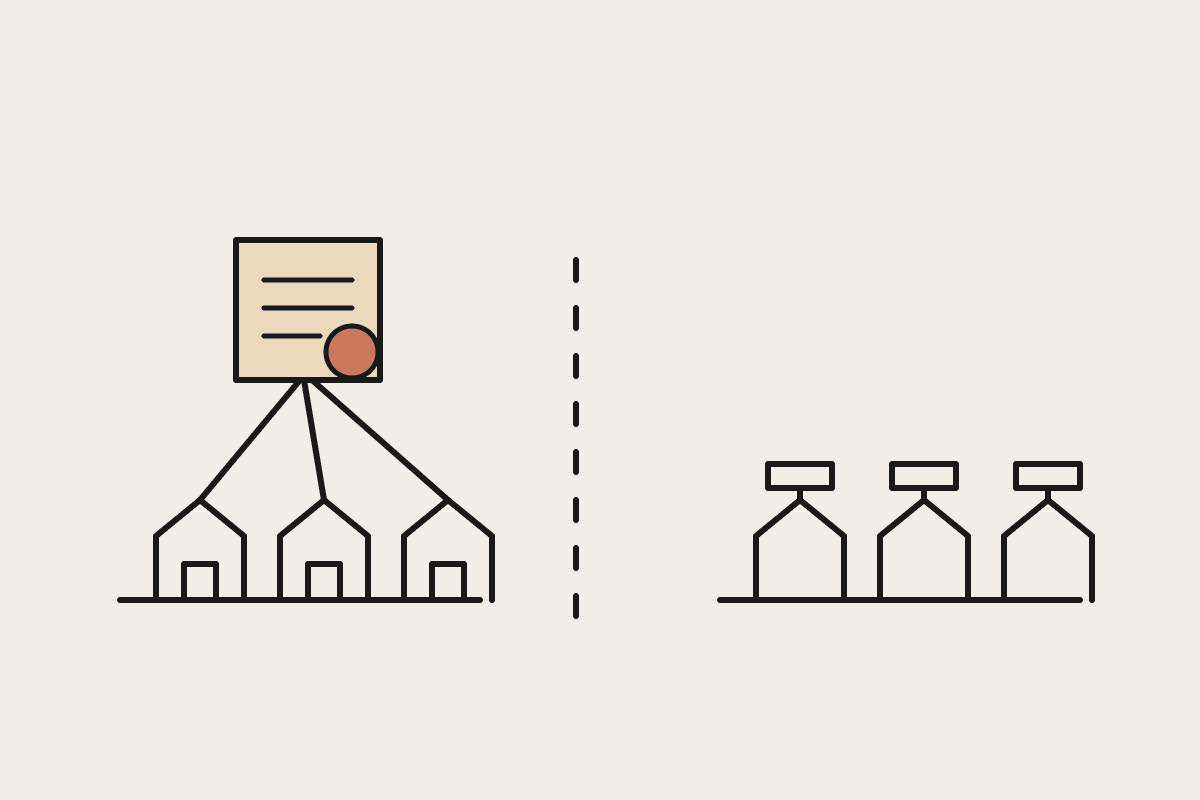
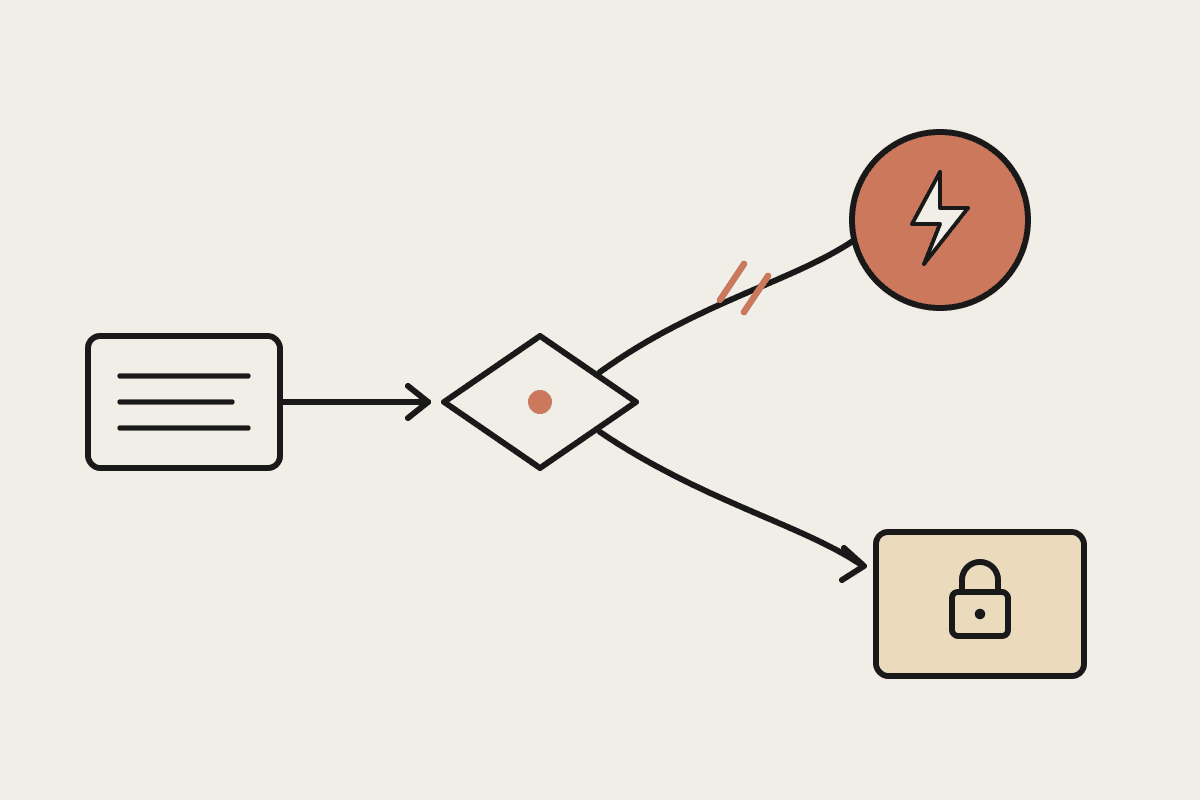
Route model calls through one abstraction layer, so swapping providers becomes a configuration change rather than a rebuild
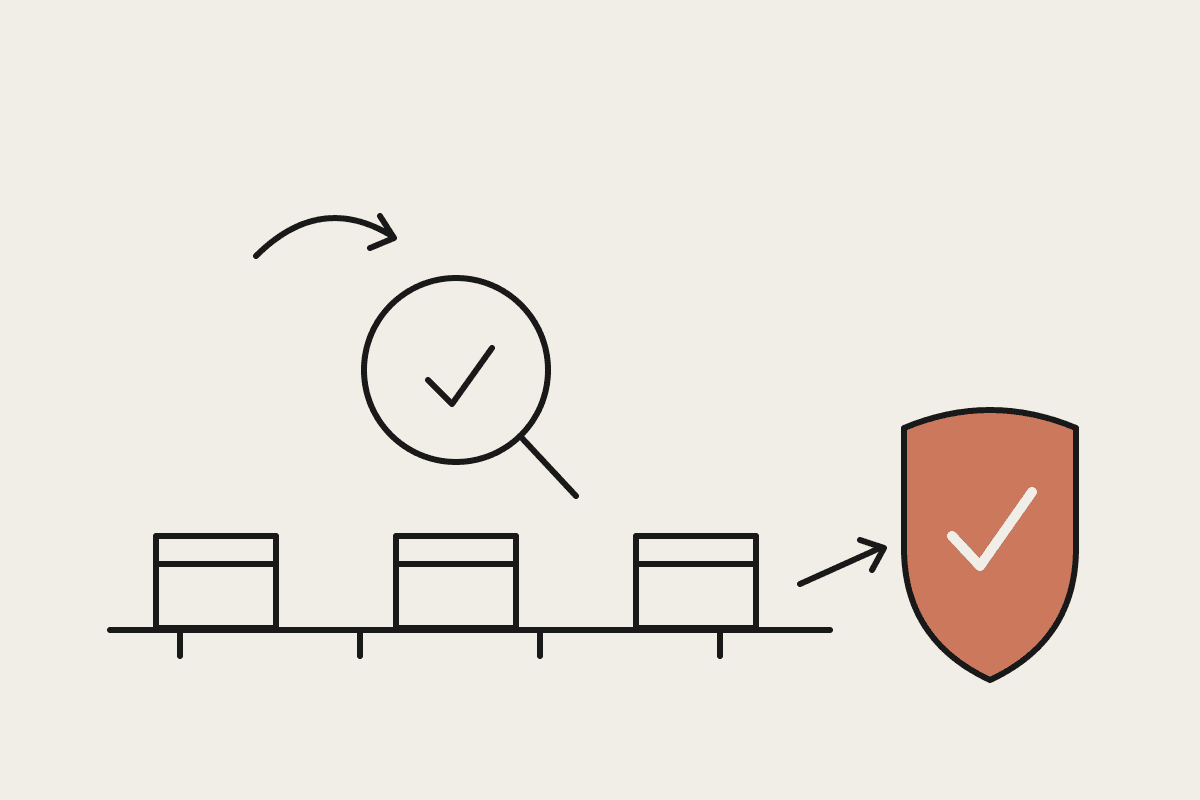
Nominate a fallback model and test it quarterly against your three most important workflows
Export your prompts, evaluation sets and connector configurations to somewhere you control, not just the vendor console
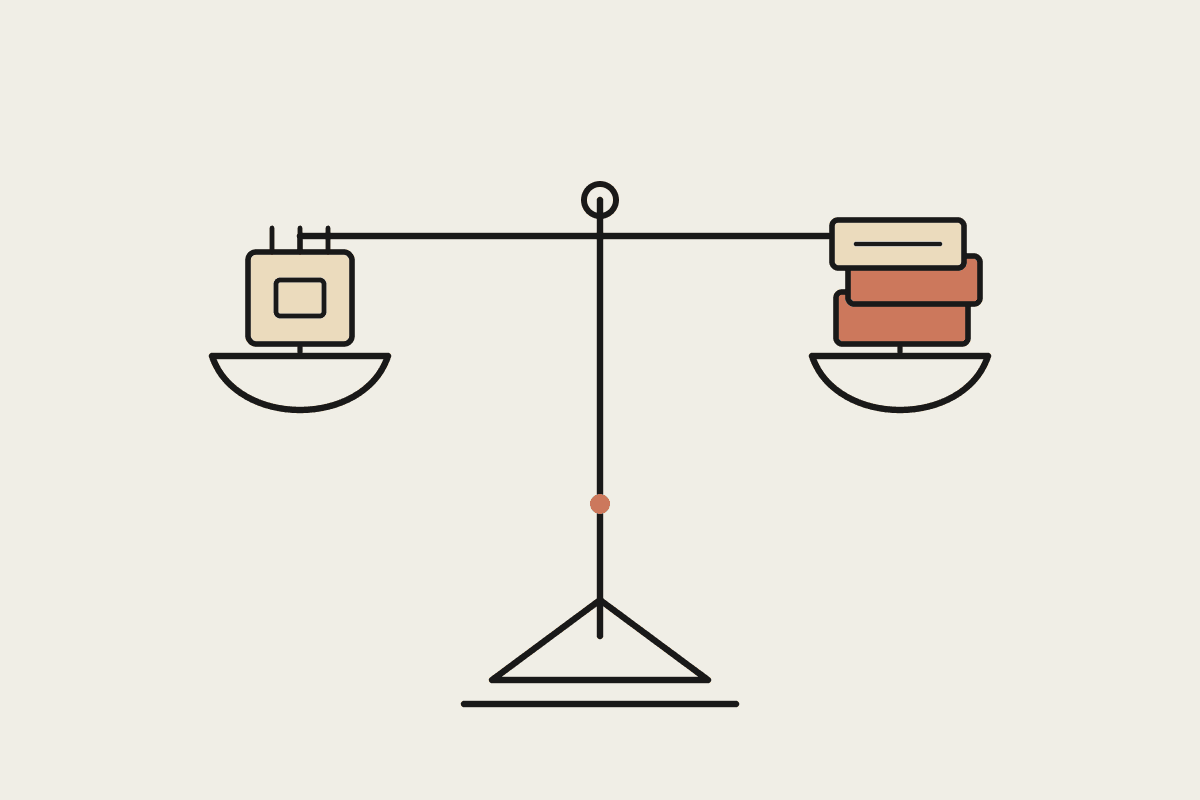
None of this is expensive. For most small businesses the whole exercise is a day or two of work, and a typical setup engagement to put the abstraction layer and a tested fallback in place lands around $3,500. Set against a $16,000 loss from a single fortnight offline, the maths is not close.
Why open-weight models make credible fallbacks
Open-weight models such as DeepSeek V4 or GLM-5.2 make useful fallbacks precisely because nobody can switch them off remotely. Weights you hold are weights you keep, whatever happens to a vendor's export status or commercial terms. A quantised model on a $2,500 to $5,000 workstation will not match Claude on hard reasoning, but for the middle band of drafting, extraction and triage it keeps the lights on while your primary provider is unavailable.
The catch is that a fallback you have never load-tested is a rumour, not a plan. Self-hosting brings its own availability problems: GPU capacity in Australian cloud regions, patching, model updates, and someone to answer the pager at 2 am. The point of the quarterly test is to find those gaps on a calm Tuesday rather than during a live outage.
What a continuity plan is not
Two failure modes are worth naming. The first is over-engineering: a business with three light automations does not need a hot-standby cluster, it needs a documented manual process and a phone number. The second is the paper plan nobody has run. A fallback route written down and never exercised tends to break at exactly the moment you need it, because credentials expire, prompts drift, and the person who set it up has moved on.
Regulated firms have an extra reason to care. APRA-supervised entities and businesses handling sensitive data are increasingly expected to show they have considered operational resilience for critical third parties, and an AI model sitting inside a customer-facing workflow is starting to count as one. Documenting your continuity approach is moving from good practice to something an auditor will ask about.
Where we land
Our default remains Claude for primary workloads, with Anthropic's commercial terms and safety work as the credibility behind that choice, plus a documented and tested fallback path behind it. The export-control episode in June ended quickly. The next interruption, whether regulatory, commercial or technical, might not, and the cost of preparing is trivial next to the cost of being caught flat.
If you want a continuity review of your AI stack, or you are setting one up and want resilience designed in from the first day, book a free brainstorm with us.