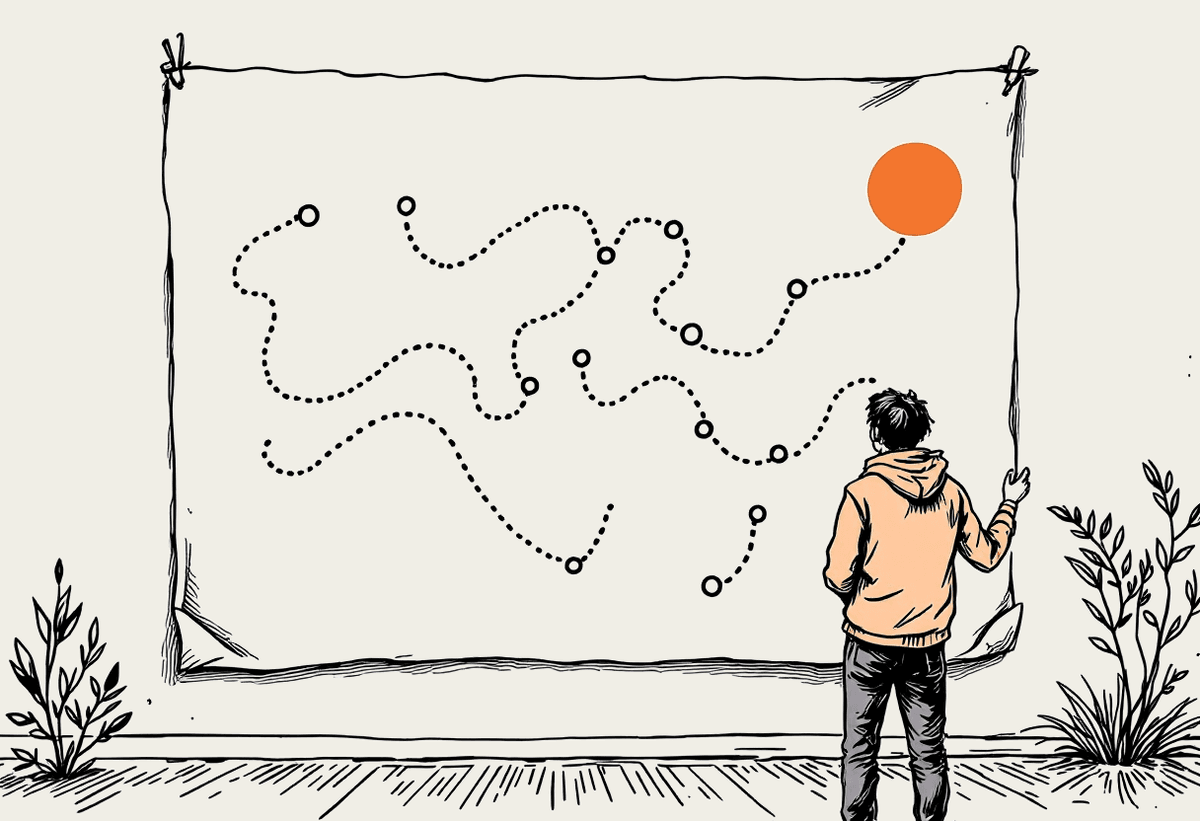
The open source AI scene in 2026 moves fast and confuses easily. Kimi, DeepSeek, Qwen, MiniMax, Mistral, Llama, and Gemma all compete for attention, and a new leader appears almost every fortnight. If you run an Australian business, you do not need to follow every release. You need a map that tells you what changed, what matters, and what to do about it. Here is that map, in plain English.
The big picture in four points
A few themes cut through the constant stream of releases this year, and they explain most of what you will read in the headlines.
Chinese labs lead most open source rankings in 2026, with Kimi, DeepSeek, and Qwen setting the pace on capability per dollar
Mixture-of-experts is now the default architecture at scale, which keeps serving costs down for very large models
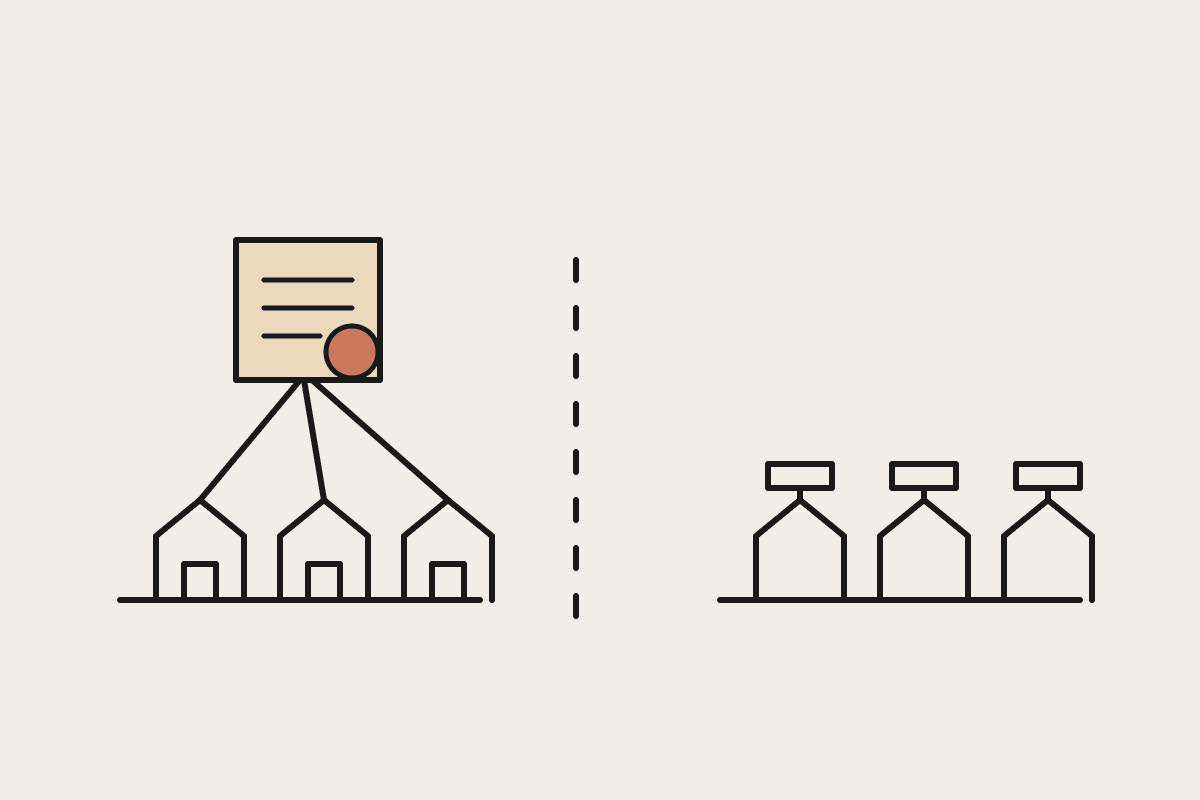
Licences range from genuinely permissive to quite restrictive, and the label on the announcement is a poor guide to your rights
The capability gap between open and closed models keeps narrowing, though it has not closed for complex agentic work
None of these themes requires action by itself. The mistake we see Australian owners make is treating each new release as a decision point. It is not. The release cycle is the vendors' problem; your problem is choosing a build approach that survives the cycle.
Who is who: a sixty-second tour
Names you will keep seeing, and roughly where each sits as of mid 2026.
Kimi and DeepSeek sit at or near the top of most open leaderboards, strong at reasoning and code
Qwen ships the broadest family, from tiny on-device models to frontier-scale, all under one naming scheme
MiniMax and GLM round out the Chinese pack with competitive agentic and long-context options
Llama and Gemma are the main Western open-weight lines from Meta and Google, well supported by tooling but no longer the capability leaders
Mistral remains the strongest European option, popular where EU data handling is part of the brief
Treat the ordering loosely. Positions shift monthly, and a model that tops a benchmark may still be the wrong choice for your workload, your data, or your team.
What it means for your business
The practical takeaways are simpler than the news cycle suggests.
Open models are capable, but they are never cost-free to run in production
Your team and your volume decide whether self-hosting makes sense, not the leaderboard
A managed model like Claude suits most Australian SMBs because someone else carries the operational load
The model brand matters far less than the build decision around it
On cost: self-hosting a serious open model on rented GPUs commonly runs $3,000 to $6,000 a month before you pay anyone to keep it healthy, and a fully loaded AI engineer in Sydney is around $220,000 a year. Free weights are not a free system. For high-volume, narrow tasks that maths can still work out in favour of open models; for most SMB workloads it does not.
Where open source genuinely fits
We are not against open models, and a Claude-first default does not mean Claude-only. Open source earns its place in a few specific situations.
High-volume, low-risk internal tasks where a small model is cheap at scale
Workloads that must run entirely on your own hardware for contractual or sovereignty reasons
On-device features where latency or offline use rules out an API call
If none of those describes your situation, the honest answer is that open source is a topic to watch, not a project to start.
A simple decision framework
The landscape will keep shifting, but the decision framework holds steady. Spending $15,000 on a clear, focused pilot beats chasing every release and rebuilding each time the leaderboard changes hands.
Decide self-hosted versus managed before you pick any model, based on data sensitivity, volume, and the team you actually have
Run a focused pilot on your real tasks with your real documents, not a demo dataset
Revisit the choice on a schedule, perhaps every six months, rather than every time a model tops a chart
For Australian businesses there is a regulatory layer too. The Privacy Act applies regardless of where a model was trained, and if you handle customer data you need to know where inference runs and who can see the traffic. Write that requirement down before you evaluate anything, because it filters the field faster than any benchmark.
Staying oriented as it shifts
The landscape changes monthly, but your method does not have to.
Keep a simple written policy that ties data classes to approved models
Run a focused pilot before any significant move
Re-check the decision as your volume and needs change
A steady method beats chasing releases, because it lets you adopt genuinely useful advances without rebuilding your stack every time the chart changes hands. We keep Australian businesses oriented with a Claude-first default and open source where it truly earns its place. If you want a second pair of eyes on your own map, book a brainstorm session and we will work through it with you.