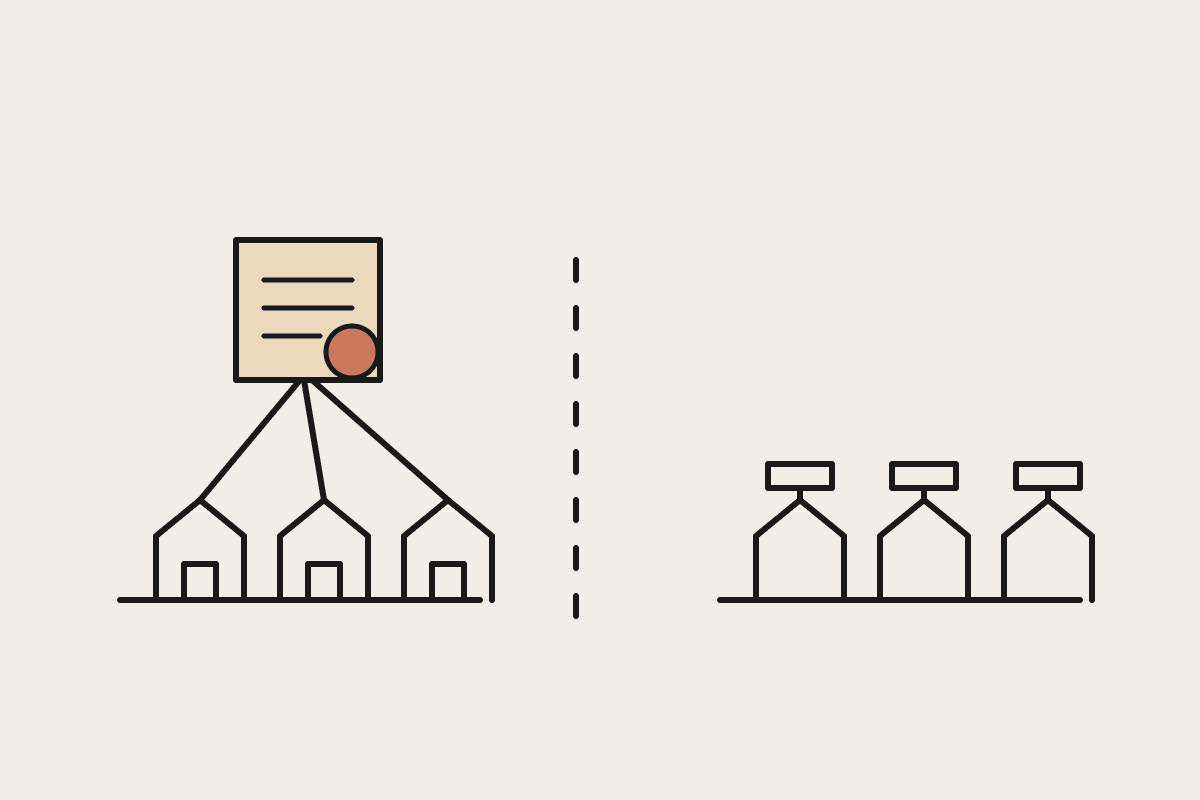
Every autumn, accounting firms across Australia hit the same wall. Before 30 June, every discretionary trust on the books needs a trustee resolution recording how the year's income will be distributed. The paperwork is repetitive, the deadline is hard, and the cost of a weak resolution is real: if the ATO decides no valid resolution was in place, the trustee can be assessed on the whole amount at the top marginal rate of 47%. Claude can carry the drafting load while your accountants keep control of every decision that matters.
Why the minutes take so long
A distribution minute looks simple once it is written. Getting there is the slow part. Each trust deed is worded differently, so the clauses a resolution must cite change from client to client. The figures depend on the year's accounts, which are often still being finalised in late June. And the tax rules sitting behind the exercise are anything but light.
The 30 June deadline is fixed. A resolution made on 1 July does not fix a distribution for the year just ended.
Present entitlement matters. Since the Bamford decision, the wording that creates a beneficiary's entitlement has to line up with the deed and the accounts.
Section 100A is live. The ATO's reimbursement agreement rules mean firms now document the commercial reason behind adult-child and related distributions.
Directing income needs care. Franked dividends and capital gains can go to specific beneficiaries only if the deed allows it and the minute records it correctly.
Multiply that by a book of 150 or 200 trusts, and a task that takes 40 to 60 minutes each becomes weeks of a senior accountant's time, most of it spent copying last year's minute and changing the numbers.
Where Claude fits
Claude is a drafting assistant here, not a tax adviser. The judgment stays with your team. What Claude does well is the repetitive shaping of a document from source material you already hold.
Read the trust deed and pull the exact clause references the resolution needs to cite.
Draft the resolution from the deed, last year's minute, and this year's distribution figures.
Produce a plain-English summary of each distribution for the client file.
Flag where a decision is needed, such as whether franked dividends are being directed and to whom.
Keep wording consistent across every trust in the firm, so two accountants are not drafting the same clause three different ways.
Because Claude works from your templates and the actual deed, the draft comes back in your firm's format, not a generic one. An accountant reviews it, adjusts the calls that need human judgment, and signs off.
A worked example
Consider the Patel Family Trust, a common setup: two adult beneficiaries, a corporate beneficiary, franked dividends from a share portfolio, and a capital gain from selling an investment property. The deed allows income to be directed by category. This year the accounts show a $180,000 net income figure, including $40,000 of franked dividends and a $60,000 capital gain.
Claude reads the deed, confirms the relevant clause, and drafts a resolution that directs the franked dividends and the capital gain to nominated beneficiaries, distributes the balance in the proportions the accountant sets, and cites the right deed clauses throughout. It also writes a one-paragraph summary the client can actually read. The accountant checks the section 100A reasoning for the adult-child distribution, adjusts one proportion, and signs. Elapsed time: minutes, not the better part of an hour.
A workflow that keeps you safe
The aim is speed without losing control or client confidentiality. A workable pattern for a Sydney or Melbourne firm looks like this:
Prepare the inputs: the deed, prior-year minute, and draft distribution figures for each trust.
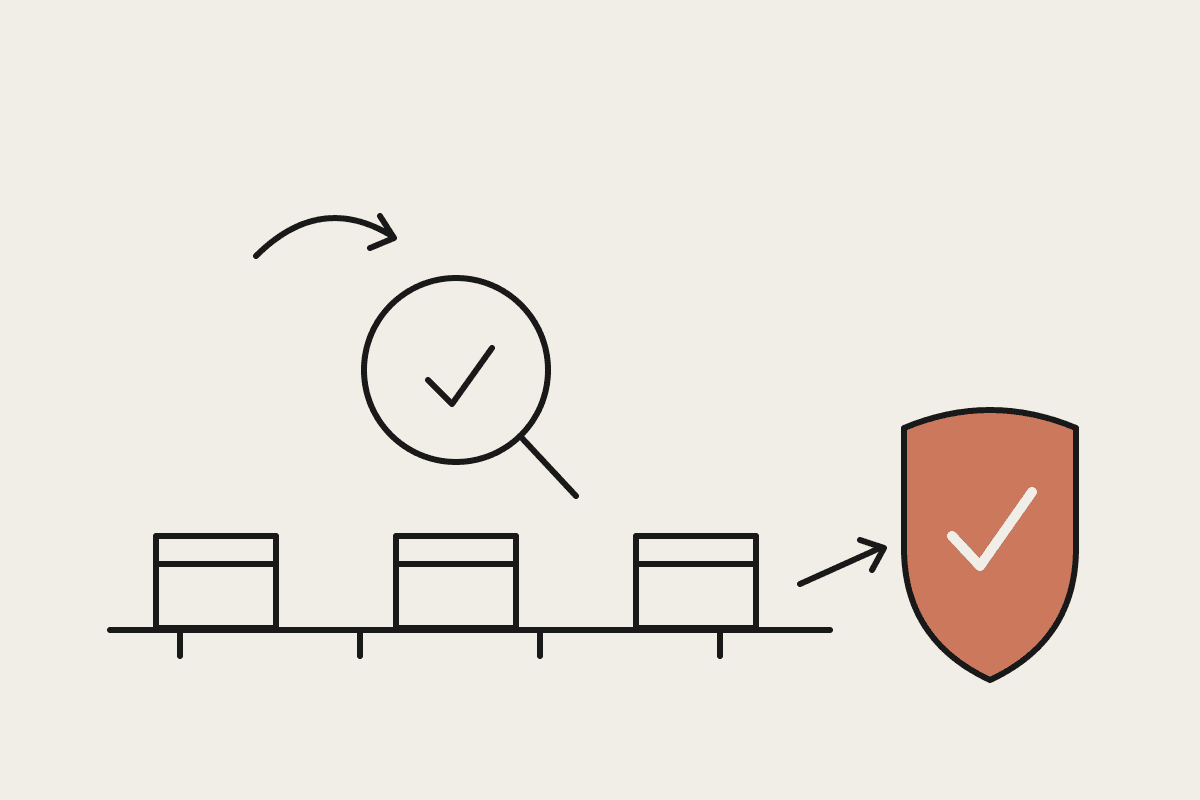
Have Claude produce a first-draft resolution and a short client summary for each one.
A senior accountant reviews every draft, confirms the section 100A position, and makes the directing decisions.
The signed resolution goes on file before 30 June, with the summary attached for the client.
Client data stays governed by the Privacy Act 1988, so keep the review inside your firm's approved environment and avoid pasting client identifiers into tools your practice has not cleared. Claude can work from de-identified figures where your process calls for it.
What it saves
Take a firm with 200 trusts. If drafting and summarising drops from 50 minutes to 15 minutes each under review, that is roughly 115 hours handed back across the June period. At a blended charge-out rate, that time is worth more than $45,000, and it lands in the exact weeks when your senior people are stretched thinnest. Just as useful, the resolutions read consistently, which makes the following year's review faster and any ATO query easier to answer.
Trust season will not get any calmer, but the drafting does not have to consume it. If you want to see how this would run against your own deeds and templates, book a time and we will map it to your firm's process.