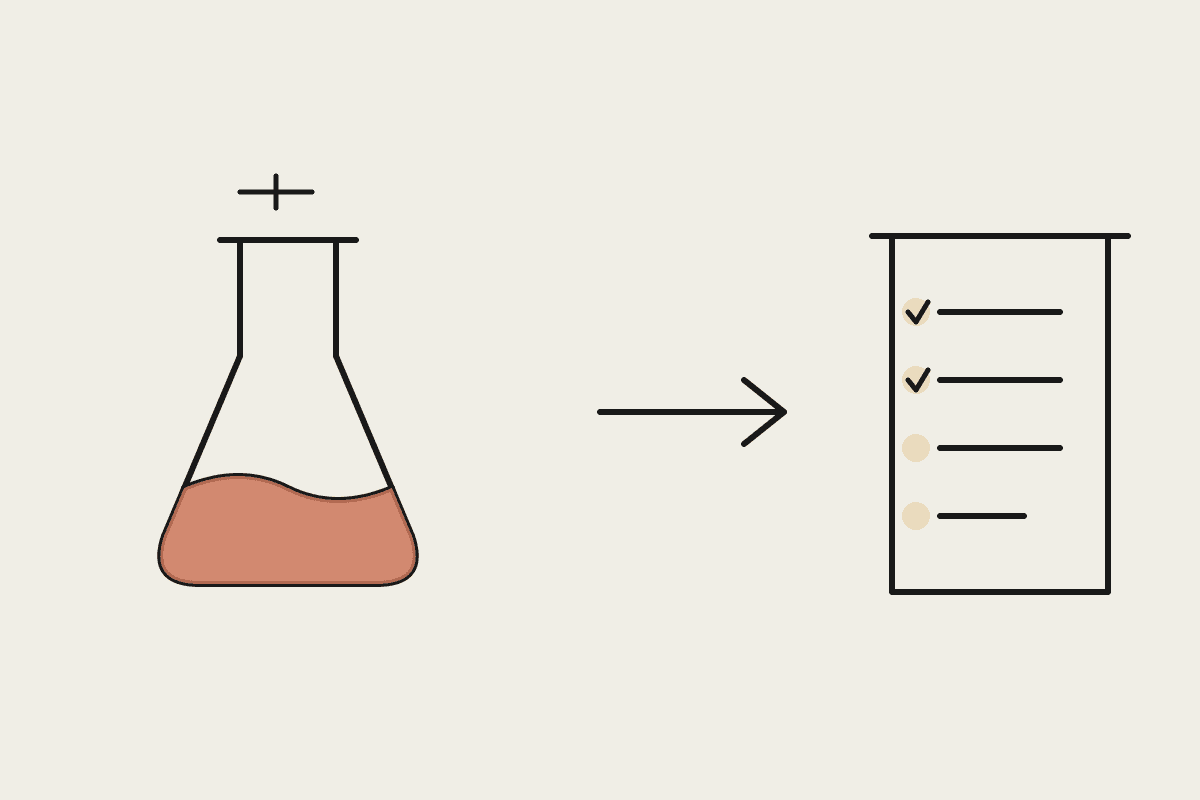
Australian contact centres looking at voice AI in 2026 keep hitting the same gap between the sales demo and the live floor. The demo is fast, accurate, and polite. Production is slower, mishears regional callers, and routes frustrated customers in circles. For a 50-seat centre handling around 4,000 calls a day, a voice AI rollout that fails on latency, accent coverage, or compliance can quietly cost $400,000 to $1.2M AUD a year in unresolved escalations, repeat contacts, and lost trust. The technology works. Most failures come from skipping the unglamorous evaluation work before signing.
Latency is the first thing that breaks
A voice conversation feels natural when the first audio response lands within about 800 milliseconds of the caller finishing their sentence. Past 1.2 seconds it feels stilted. Past 2 seconds callers start repeating themselves, talking over the system, and asking for a person. In a demo on a quiet network with a single user, latency is rarely the problem. On a live floor with concurrent calls and CRM lookups mid-conversation, it usually is.
Inference region. A Sydney inference profile can be the difference between 600ms and 1.4 seconds for the same model.
Speech-to-text model size, and how audio is chunked before transcription.
Text-to-speech voice choice, and whether audio streams as it generates or waits for the full response.
Tool calls during the conversation, especially CRM and account lookups that block the reply.
The only reliable test is benchmarking with real Australian callers from the regions you actually serve, on the same network conditions your floor runs on. Synthetic test calls hide the problem until go-live.
Australian English is not one accent
Australian English covers a wide range, and a system tuned on one slice of it will stumble on the rest. A voice AI evaluation should test against the full spread your callers represent, not the cultivated accent that tends to show up in vendor recordings.
Broad Australian, including rural and coastal regional speakers.
Cultivated Australian, common among older professional callers.
Multicultural Australian English from Western Sydney, Western Melbourne, and second-language speakers.
New Zealand English, which often shares a dataset with Australian calls and gets misread.
Vendors who only test on cultivated Australian English routinely fail on 30 to 50 percent of real production calls. Ask for recognition accuracy broken down by accent group, not a single headline number.
The compliance review is the buyer's job
A voice AI deployment in Australia touches several regulatory regimes at once, and most vendor demos sidestep all of them. Treat the compliance check as your responsibility, not the supplier's.
Privacy Act consent for call recording and AI processing of the conversation.
The Telecommunications Consumer Protections Code for escalation and hand-off rights.
ACCC guidance on automated systems for any consumer-facing deployment.
Industry-specific rules, such as AFSL obligations in financial services or AHPRA requirements in health.
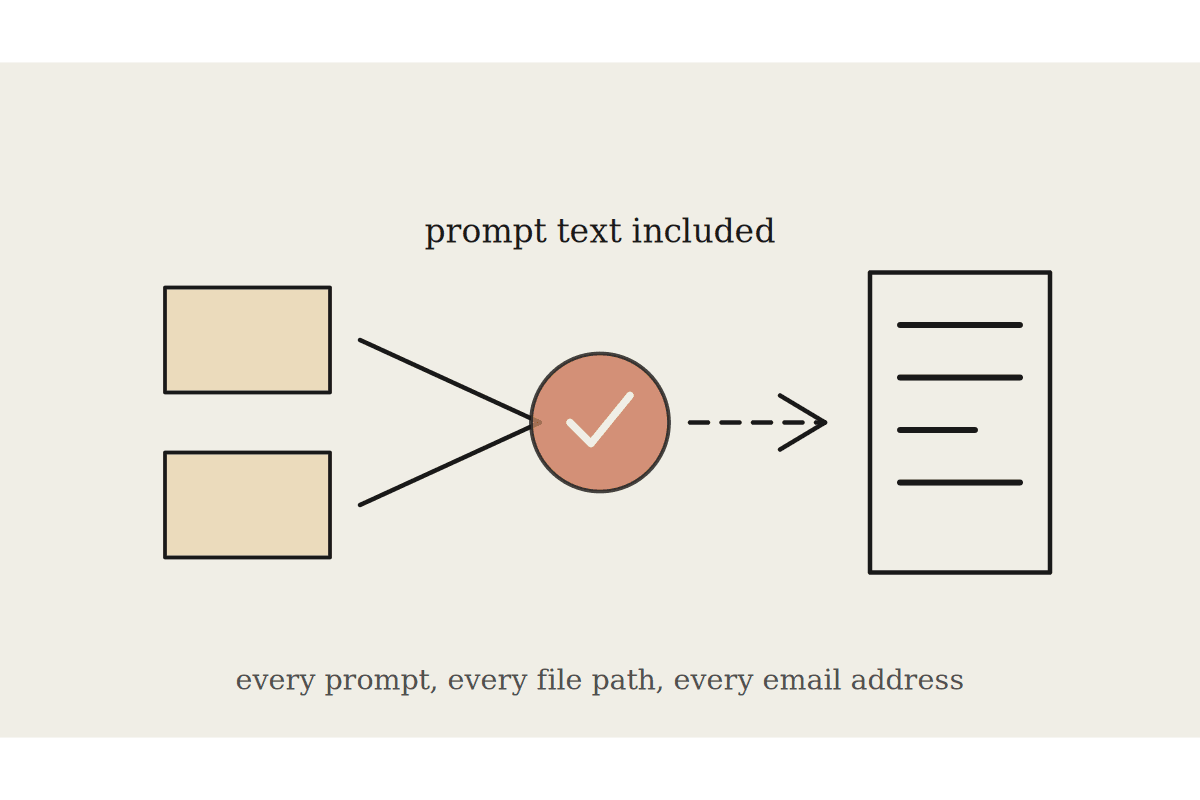
Get these documented before the pilot, not after a complaint reaches the regulator. A short written assessment against each regime, signed off before launch, is the cheapest insurance you will buy on the whole project.
Hand-off design decides whether callers trust it
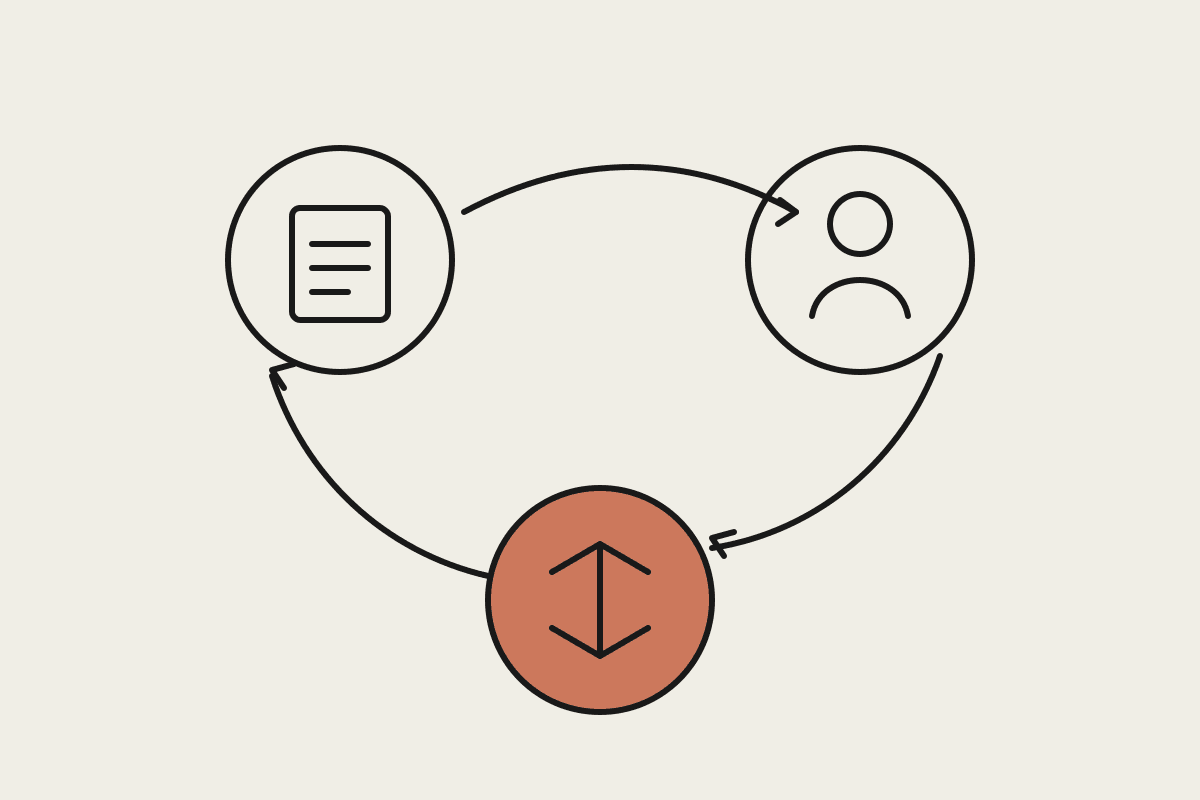
The single biggest experience decision is what happens when the AI cannot help. A caller who reaches a human within ten seconds forgives the system. One who waits 90 seconds in dead air does not. A hand-off that works does four things:
Triggers immediately when the caller asks for a person.
Triggers automatically on frustration or distress signals in the caller's voice.
Passes the full transcript and context to the agent who picks up.
Tells the caller a human is joining, rather than leaving silence after 'transferring you now'.
What a realistic rollout costs
A voice AI rollout done properly, with accent testing and a compliance review built in, takes 12 to 16 weeks to reach production. Budget $180,000 to $400,000 AUD for the build, plus $30,000 to $90,000 AUD a month in running costs depending on call volume. The centres that try to compress this into a four-week launch are the ones that generate the escalation costs noted at the top. Money spent on evaluation up front is cheaper than rebuilding trust with customers later.
Where Claude fits
Claude works well as the reasoning layer in a voice stack: understanding intent, deciding when to escalate, and drafting the post-call summary, while dedicated speech-to-text and text-to-speech handle the audio. Building it this way keeps the parts you can swap separate from the parts you cannot, which matters when a vendor's accent coverage or latency turns out weaker than the demo suggested. If you are sizing a voice AI rollout for an Australian contact centre, you can book a voice pilot scoping with our team.