For most of the past two years, Claude showed up in a small business as a browser tab. You opened it, asked a question, copied the answer, and closed it again. That framing is now shifting. Claude and other assistants are being built to sit inside the daily admin of a business: reading the inbox, drafting the invoice chase, tidying the customer list, and preparing the numbers an accountant needs. For an Australian SMB owner, this is less a new toy and more a quiet change to how the software you already pay for is going to work.
The shift: assistants that do the admin, not just answer questions
The interesting move is not a smarter chatbot. It is the packaging of small, repeatable jobs into tools an assistant can run on your behalf. Instead of asking Claude how to write a reminder email, you point it at your overdue invoices and it drafts each one in your tone, ready for you to approve. The difference sounds small. In practice it is the gap between advice and work getting done.
The jobs being targeted first are the ones every small business shares, regardless of industry:
Chasing overdue invoices and reconciling what has actually been paid.
Keeping the customer list current so nothing falls through the cracks.
Turning a month of transactions into a plain summary an owner can read in five minutes.
Drafting replies to routine customer questions about orders, refunds, and bookings.
Prepping the pile of paperwork a bookkeeper or accountant asks for at quarter end.
None of these are glamorous. All of them eat hours. A Sydney trades business owner who spends two evenings a week on invoicing and admin is losing time that could be quoted, billed, or simply given back to the family. If an assistant can reliably take even half of that, the value is obvious before you run a single spreadsheet.
What this means for the Australian software stack
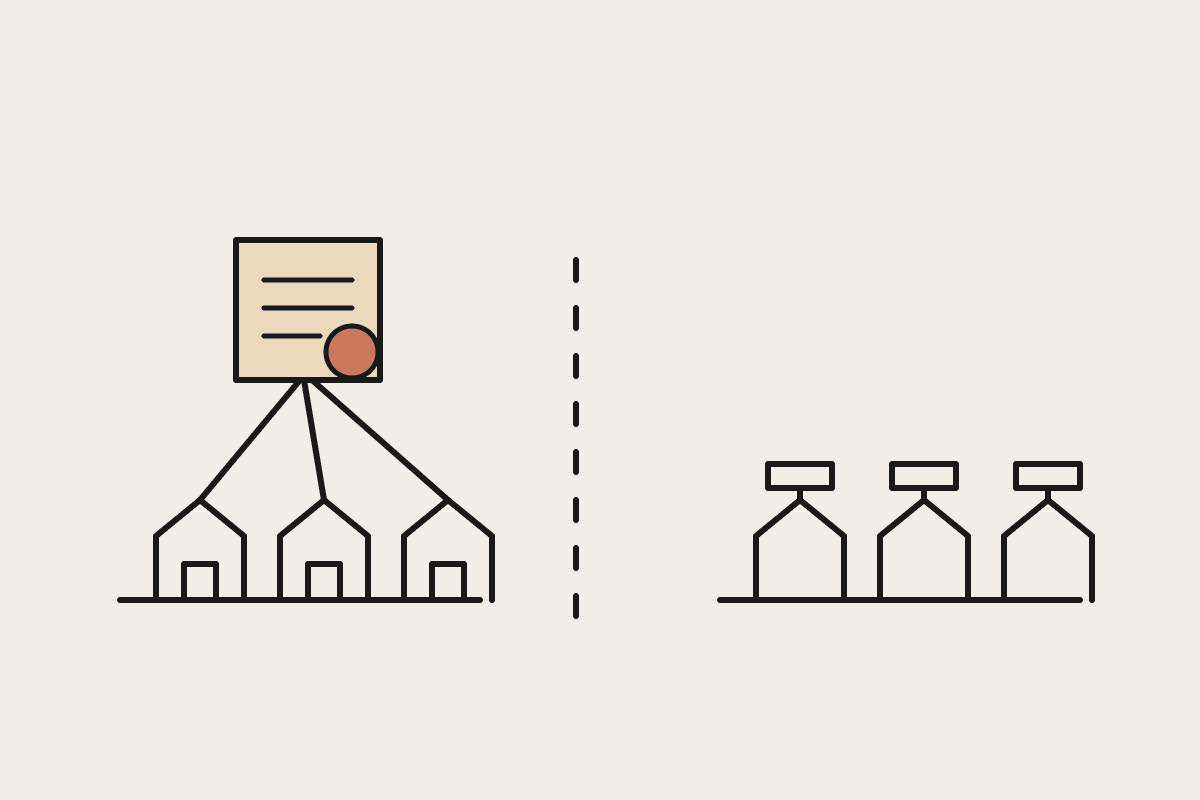
Most Australian small businesses run on a familiar set of tools: Xero for the books, a CRM for contacts, a payments provider, an email inbox, and a calendar. The push toward assistants that act does not replace this stack. It sits on top of it and connects the pieces. That has two consequences worth thinking about now.
First, the value moves to whoever connects the tools. Your accounting software holds the invoices, but the assistant that reads them, matches them to bank feeds, and drafts the follow-up is where the time saving lands. For owners, this means the question is no longer just which apps you use, but how well they can be driven by an assistant on your behalf.
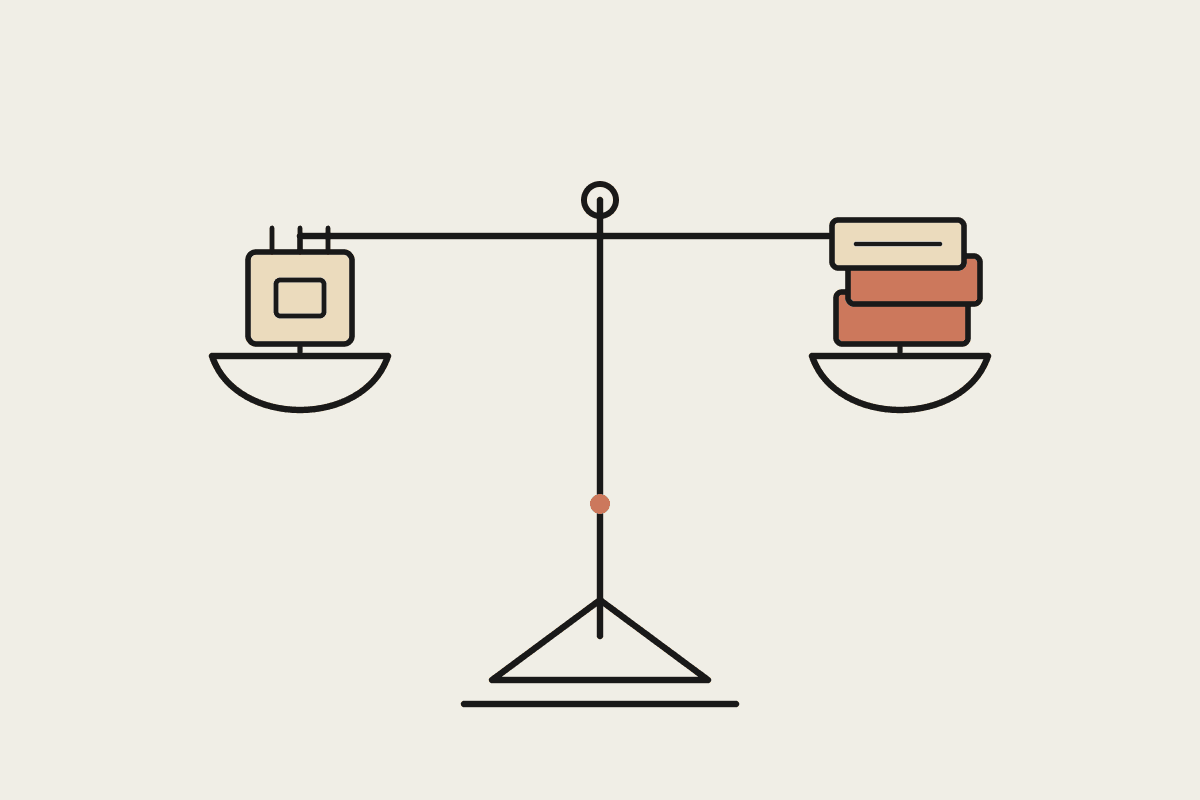
Second, the maths changes. A local bookkeeper might cost $60,000 to $80,000 a year, and a part-time admin hire lands around $35,000 to $45,000. Against that, an assistant that handles first-pass drafting for a few hundred dollars a month reframes the decision. It rarely removes the person. It removes the least valuable hours from the person's week, so a $45,000 role covers more ground or shifts to work that actually grows the business.
Where the risk sits for SMB owners
An assistant that can act is more useful and more capable of getting things wrong. That is the honest trade. Two areas deserve real care for an Australian business.
Privacy and customer data. The moment an assistant reads your inbox and customer records, you are handing it personal information covered by the Privacy Act. That is manageable, but it is a decision to make on purpose: know where the data goes, what is retained, and whether the tool is one you would be comfortable describing to a customer who asked. Claude's approach of keeping business data out of model training is a point in its favour here, but you should still confirm it for any tool you adopt.
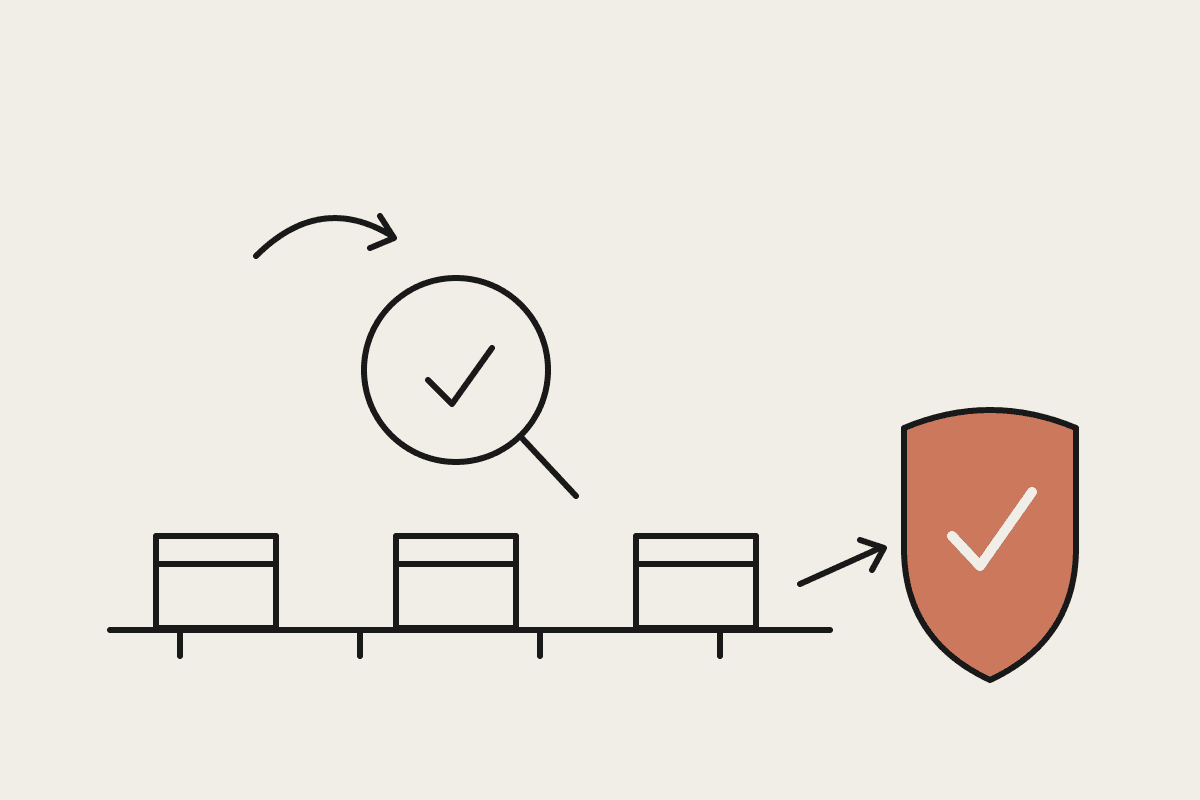
The approval gap. The safe pattern is draft, then human sends. An assistant that quietly emails a customer or issues a refund without a person in the loop is a liability, not a saving. The businesses that get this right treat the assistant like a capable junior: it prepares the work, a human checks and approves anything that leaves the building.
How to move without betting the business
You do not need a strategy deck to start. The sensible path is narrow and boring, which is exactly why it works.
Pick one job that clearly wastes your time, such as invoice chasing or the monthly summary.
Run the assistant in draft-only mode for a month and keep a person approving every send.
Track the hours saved and the mistakes caught, so you have real numbers rather than a hunch.
Only then decide whether to widen it to a second job.
The signal in Claude's small business push is not that Australian SMBs need to rush. It is that the routine admin sitting on every owner's desk is now genuinely automatable, and the tools you already pay for are the starting point. The owners who benefit first will be the ones who pick a single painful task, prove the saving, and expand from there rather than the ones who wait for a perfect all-in-one product that never quite arrives.
If you want a clear-eyed view of which one job in your business is worth automating first, and how to do it safely, book a short brainstorm with us and we will map it out with you.