Open source models closed most of the quality gap with Claude during 2026. Kimi K2.6, DeepSeek V4 Pro, and Qwen 3.5 now post benchmark scores within a point of the leading closed models, and the gap narrows with every release cycle. For an Australian small business weighing its options, that headline hides the part that matters. Raw capability is only a fraction of the decision. The rest is about who carries the operational load once the model is in production, and what that load costs a team that already has a business to run.
This is the question we field most weeks in Sydney: if the free models are nearly as good, why pay for Claude? The honest answer is that for most SMBs the model is the cheapest part of the system. The expensive parts are the people, the infrastructure, and the risk, and that is exactly where the two paths separate.
What the benchmarks hide
A leaderboard win looks impressive on a slide. It does not run your payroll automation at 2am, and it does not answer for a failed deployment in front of a customer. The questions an SMB owner actually faces are practical and ongoing.
Who patches the model server when a security advisory lands on a Friday night
Who is accountable when an autonomous agent makes a costly mistake on a client account
How fast can you ship a working result without a dedicated machine learning team
What happens to your build when the open model you chose takes a breaking update
These are not edge cases. They are the daily reality of running software that touches money and customers. A benchmark score says nothing about any of them, which is why decisions made on benchmarks alone tend to get quietly revised within six months.
The Claude case for a lean team
A fully loaded senior AI engineer in Sydney runs about $220,000 a year once you count salary, superannuation, on-costs, tooling, and the management time they absorb. A single production GPU node adds roughly $40,000 a year before it serves one useful request. Most Australian SMBs cannot justify that spend purely to keep an open source model healthy. Claude removes that burden and lets a small team move at the pace of the business.
No GPU cluster to provision, scale, secure, or pay for overnight
Safety, reliability, and uptime handled by Anthropic rather than your roster
A stable API, so your build does not break every time a new model tops the charts
Faster delivery, which means the work starts paying back sooner
What the totals look like side by side
Run the arithmetic on a typical automation workload. A Claude-based build for an Australian SMB usually lands between $800 and $2,500 a month in usage once it is in production, and the bill tracks actual use. The self-hosted version of the same workload starts with fixed costs: hardware or cloud GPU rental, an engineer to own it, monitoring, and compliance work to keep personal data handling inside Privacy Act obligations.
Usage-based cost scales down in quiet months; a GPU node bills you either way
The open model is free; the people who keep it healthy are not
Price both paths over two years, not over the demo week
On those numbers, the fixed-cost path only wins at request volumes most SMBs never reach. Until then, the managed option is the cheaper one, even before you price the risk.
Where open source still earns a place
We are not against open models. For narrow, high-volume, low-risk tasks they can be the better tool, and we recommend them where the maths genuinely supports it. Bulk classification of public content, internal search over non-sensitive documents, and high-volume text cleanup are all fair candidates. The point is to choose deliberately rather than chase the model of the month.
The pattern that works is a managed default for anything that touches customers, money, or regulated data, with open models slotted in for the specific workloads they suit. That split keeps the risk where you can see it and the spend where it earns a return.
Questions to ask before you switch
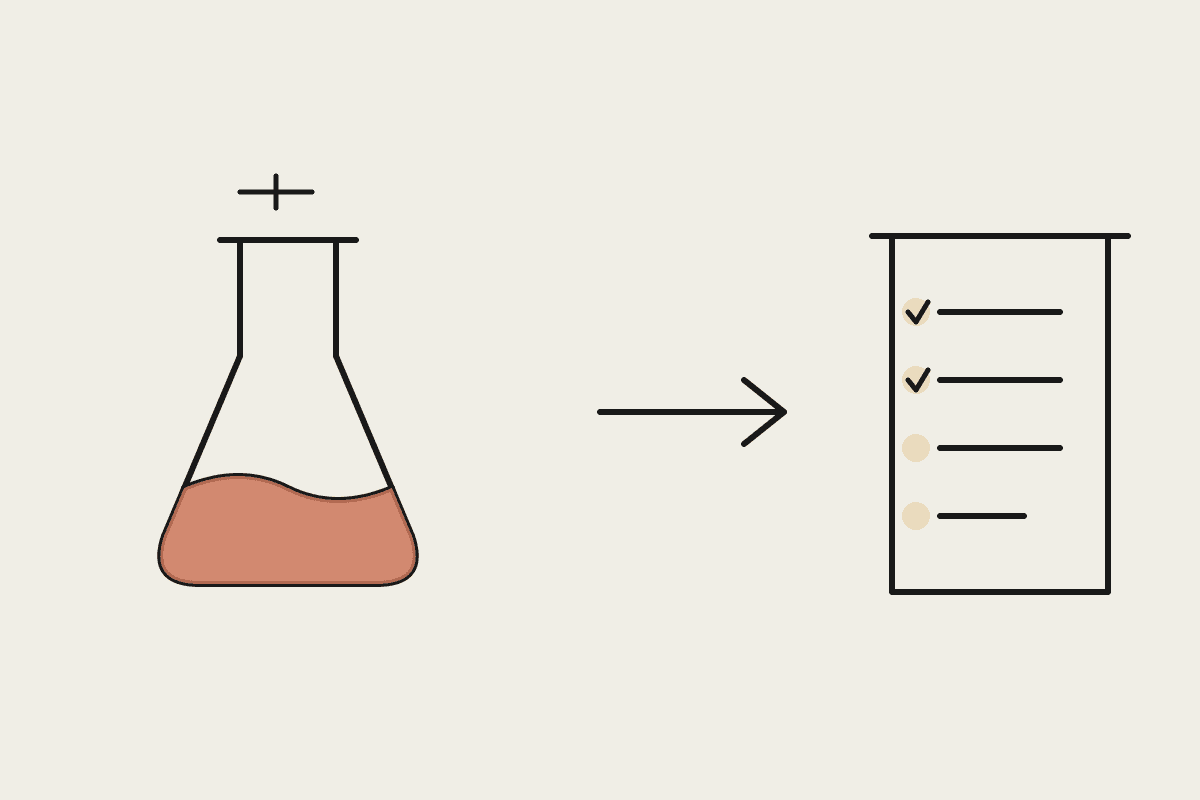
Before moving any workload to an open model, a short checklist keeps the decision grounded in your business rather than the news cycle.
What is the real cost if this output is wrong in front of a customer
Who owns the system at 2am, and are they on your payroll
Does the saving survive once you price the people, not just the model
For a Sydney SMB, answering these honestly usually points back to a managed default for anything that matters, with open models reserved for safe, internal, high-volume work where a slip costs little.
Talk it through with a Claude specialist
Automata AI is a Sydney-based consultancy that builds on Claude for Australian businesses. If you are weighing Claude against the open source field, book a short brainstorm and we will cost both paths honestly for your workload.