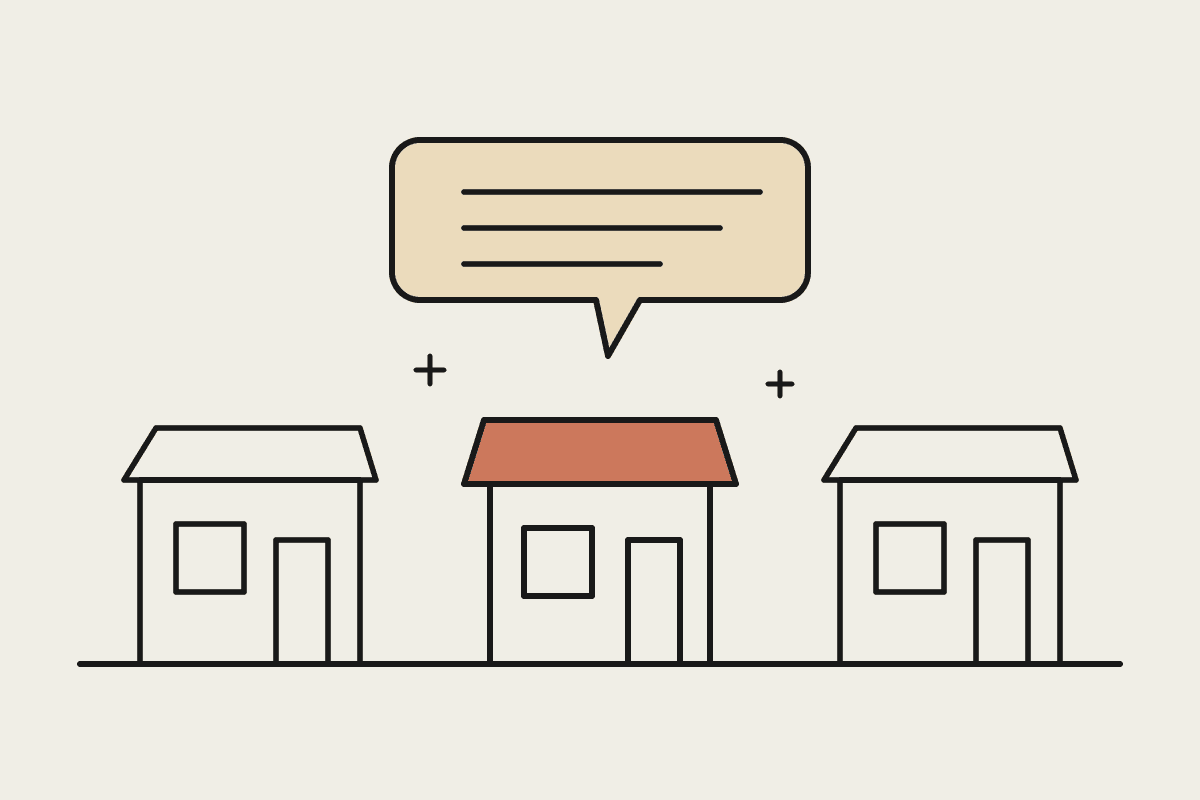
Ask ChatGPT for the best mortgage broker in Brisbane, or the best commercial cleaner in Western Sydney, and there is a decent chance it names two or three of your competitors and leaves you out entirely. That result is not random, and it is not permanent. AI assistants build their recommendations from signals you can measure and influence. This guide explains where AI recommendations come from, how to run a quick AI visibility audit on your own business, and which fixes actually change the answers.
The stakes grow every quarter. A meaningful share of buying research that used to start with a Google search now starts as a conversation with ChatGPT, Claude, Gemini or Perplexity. Those tools do not show a page of ten blue links. They give one synthesised answer, usually naming two to four businesses. If you are not in the answer, you are not in the running, and you never see the enquiry you missed.
Where AI recommendations come from
When an AI assistant recommends a business, the answer is drawn from two places. The first is training data: the text the model learned from, which includes news articles, directories, industry sites, forums and reviews published up to its training cutoff. If your competitors have been written about more often and more consistently than you, the model simply knows them better. The second is live retrieval. ChatGPT Search, Perplexity and Copilot run a web search behind the scenes and summarise what they find, citing sources. Here the winners are the pages that answer the exact question in plain language.
A third factor sits underneath both: entity clarity. Models and search systems need to be confident about who you are, what you do, and where you operate. A business whose name, services and locations are described consistently across its website, Google Business Profile, industry directories and review platforms is far easier to recommend than one whose details differ from listing to listing.
Run your own AI visibility audit this week
You do not need paid tooling to get a baseline. Open ChatGPT, Claude, Gemini and Perplexity and work through five checks:
Ask the money question. 'Who is the best [your service] in [your city or suburb]?' Note every business named, in order, across each assistant.
Ask about your brand directly. 'What does [your business name] do?' Watch for wrong services, old addresses or invented details, which signal weak entity data.
Ask a comparison. '[Your business] vs [named competitor], which should I choose?' See which sources each assistant reaches for.
Check the citations. In Perplexity and ChatGPT Search, expand the cited links. The same handful of directories, review sites and articles keep appearing. That list is your target media.
Record everything and repeat monthly. AI answers shift as models update, so a single snapshot tells you less than a trend. A simple spreadsheet is enough.
When we ran this exercise on our own consultancy, the blunt result was zero presence on the three prompts that mattered most. That baseline was uncomfortable, but it turned a vague worry into a concrete work list. Most Australian businesses that run the audit find the same thing: the competitors being recommended are not better, they are simply better documented.
What actually changes the answers
AI visibility work, sometimes called generative engine optimisation or GEO, overlaps heavily with good SEO, but the emphasis is different. Four things matter more than anything else:
Question-led content. Publish pages whose headings match the questions buyers actually ask, and answer them in the first two sentences. Retrieval systems lift text that resolves the query directly.
Third-party mentions. Assistants trust what others say about you more than what you say about yourself. Industry association listings, local business awards, supplier case studies and trade media coverage all feed the answer.
Technical access. Check your robots.txt is not blocking GPTBot, ClaudeBot or PerplexityBot. Plenty of Australian sites block AI crawlers by default through their CMS or CDN, then wonder why they are invisible.
Consistent structured data. Mark up your organisation, services, locations and reviews with schema, and keep your name, address and phone details identical everywhere they appear.
Just as important is what does not work. Stuffing 'best in Sydney' into your homepage does nothing. Publishing fifty thin AI-written pages can hurt, because retrieval systems favour sources that look authoritative and get cited elsewhere. And paying for a single directory listing rarely shifts anything on its own; it is the pattern of consistent mentions that counts.
What invisibility costs, in dollars
Put numbers on it. Suppose you are a Melbourne commercial fit-out firm with an average project value of $85,000 and you win one in four of the enquiries you receive. If AI assistants send just two enquiries a month to competitors instead of you, that is six lost projects and roughly $510,000 in revenue over a year. Even for a smaller operator, say a Sydney bookkeeping practice with clients worth $4,800 a year, one lost enquiry a month compounds to more than $57,000 of annual recurring revenue within twelve months. The maths is rough, but the direction is not: AI answers are already routing real buyers, and the routing favours whoever did the visibility work first.
The good news is that the field is thin. Most Australian small and mid-sized businesses have done nothing on AI visibility yet, so a few months of deliberate effort can put you in the answers while competitors are still asking why they are not. We run AI visibility audits and fix programs as part of our Claude consulting work in Sydney. If you want to know what ChatGPT, Claude and Perplexity say about your business today, book a free brainstorming session and we will run the baseline with you.