In May 2026 Xero switched on its Claude integration for all 4.5 million subscribers, delivered through JAX, the Just Ask Xero agent. Most clients of Australian accounting firms now have Anthropic's Claude sitting inside their accounting file, whether their accountant has a view on that or not. That last clause is the part worth sitting with: your clients got an AI bookkeeping assistant before most practices decided their own AI position. Here is what it does, what it does not, and what a firm should do about it this quarter.
What shipped
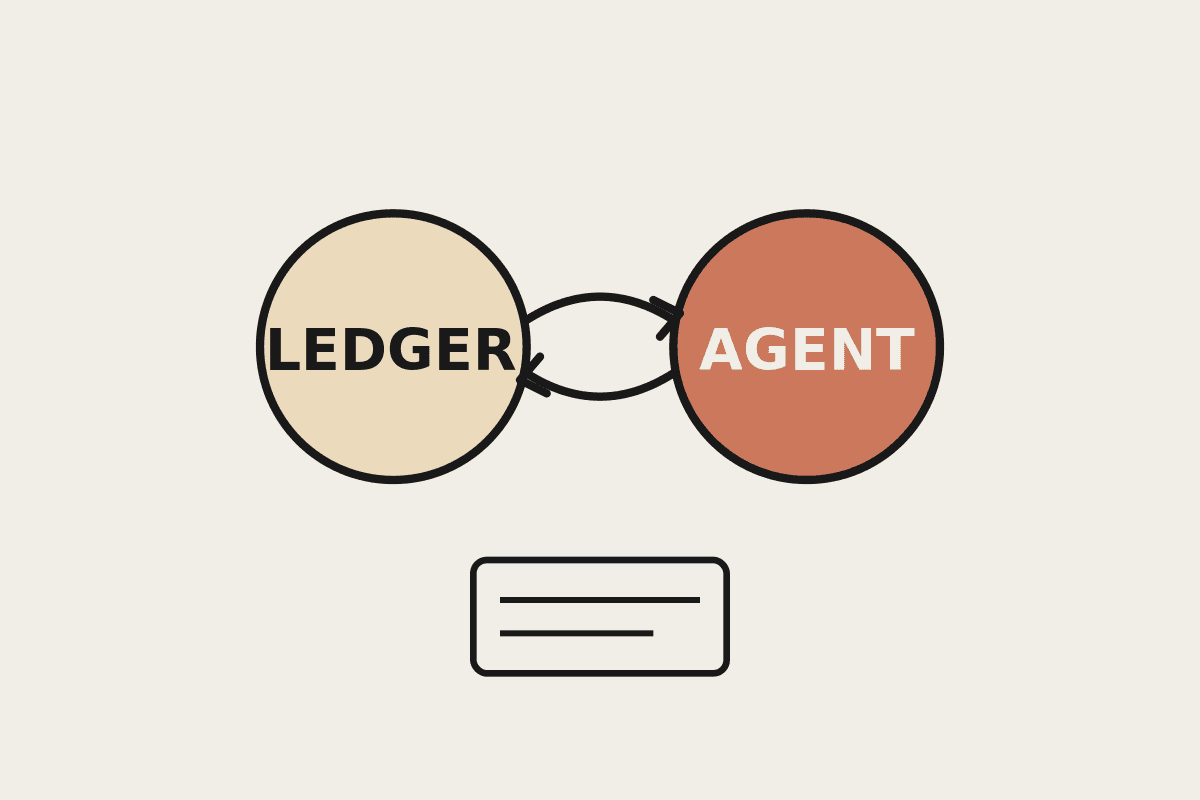
JAX puts conversational Claude inside Xero, and Xero data becomes accessible from Claude itself. In practice:
Business owners can ask about cash position, overdue invoices and margins in plain English
Receipts and bills can be dropped in for extraction and coding suggestions, GST included
Routine tasks such as drafting invoices or summarising activity happen from a prompt
The same questions can be asked from Claude with the Xero connection, without opening Xero at all
For clients this is a real upgrade: fewer can-you-pull-me-a-report emails to the firm, better-kept files, quicker answers to the questions they used to save up for the quarterly call. Firms should expect the average client file arriving at year end to be in slightly better shape, and expect clients to arrive at meetings having already asked Claude what their numbers mean.
What it does not do
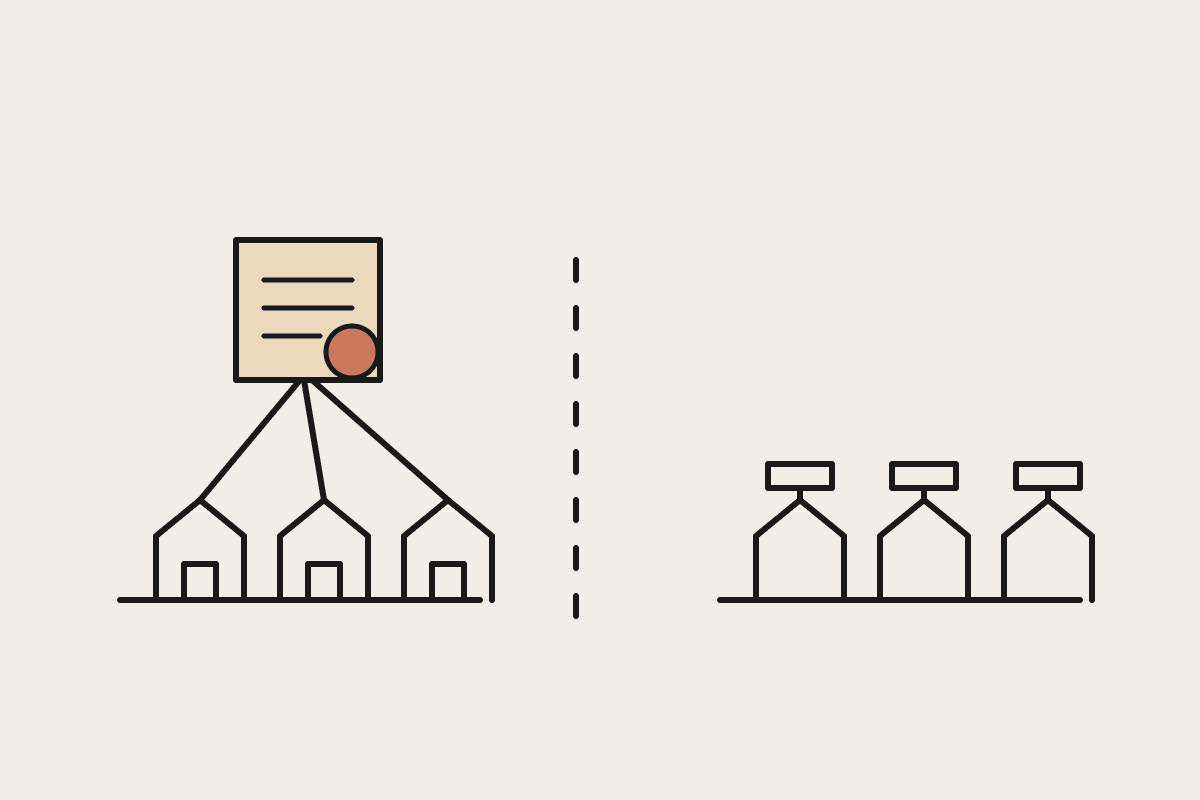
JAX is client-side and single-file by design. It does not touch the firm-side layer where practices actually spend their hours:
No batch work across a hundred client files at once
No workpapers, lead schedules or year-end file preparation
No reading the client folder: trust deeds, loan statements, prior-year files, emails
No document chasing, engagement letters or practice deadline management
No STP finalisation, TPAR or lodgement program work
None of this is a criticism. Xero built the right thing for its subscribers, who are businesses, not practices. But it means the productivity story inside the firm is still yours to write, and waiting for the practice suite roadmap to write it for you has historically been a slow way to get anywhere.
The practice-side layer
The firm-side gap is what an agentic desktop setup covers. Claude Cowork uses the same Claude models but works across your folders, your email and every client's Xero file, preparing reconciliations, chasing documents and drafting workpapers for review at whole-of-practice scale. The two are complements: JAX improves the data quality coming in from clients; Cowork turns it into finished compliance work. At Australian charge-out rates of $160 an hour and up, the firm-side hours are where the money is anyway, and a fixed-fee firm setup at $3,500 is priced against exactly those hours.
A note on verification and data
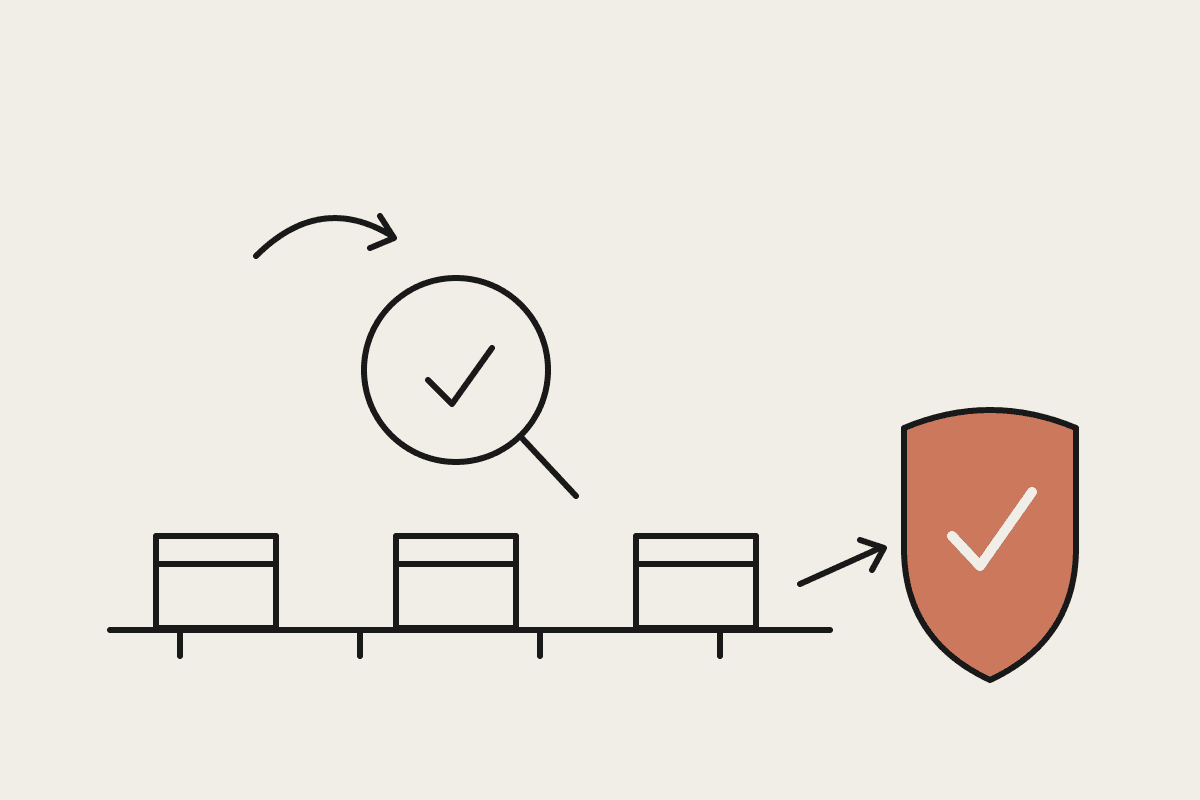
Two practical cautions before the firm leans on any of this. First, JAX outputs are suggestions over the client's own file, not assured figures; coding suggestions still need the same review discipline you would apply to a junior bookkeeper, and the feature set is moving quickly enough that anything you read about it, including this article, deserves a check against Xero's current release notes. Second, the data questions do not disappear because the integration is official. The firm still owes clients a clear line on what goes where, and the Privacy Act obligations sit with whoever holds the engagement. Write the position down once and the client conversations get easier.
The conversation your clients will start
The more immediate effect is commercial. Clients who ask Claude about their margins will start asking their accountant sharper questions, and a few will ask the awkward one: if AI does the bookkeeping, what am I paying you for? The firms that answer well will be the ones that moved their own value up the stack, from assembling numbers to interpreting them, and can show they use the same class of tools inside the practice. The firms that answer badly will be the ones still hand-keying bank statements at $160 an hour while the client watches JAX do it for free.
What to do now
Three moves worth making this quarter:
Try JAX inside two or three client files so you can speak about it before clients ask
Decide your firm's position on AI and client data while it is a choice rather than a scramble
Pilot the firm-side layer on one job type, such as BAS preparation, and measure the hours
A fixed-fee Claude Cowork setup is designed exactly for that pilot. Book a brainstorm call if you want the JAX-versus-Cowork boundary mapped to your own practice before your clients map it for you.
This article is part of AI for Accountants in Australia, the complete guide from Automata AI, a Sydney-based Claude consultancy and the automation partner accounting firms across Australia and New Zealand use to put Claude Cowork into production. The approach in every guide is the same: Claude does the preparation, your people keep the judgment.