Agentic workflows ask a model to plan, call tools, and act over many steps with limited supervision. That is a harder test than chat. A model that answers questions well can still fall apart twenty steps into an unattended run. Open models like Kimi K2.6 now sustain genuinely long agent runs, and Claude remains the strong choice for reliability. For an Australian team deciding between them, the right pick depends on the stakes of the task and on costs that rarely show up in a benchmark table.
What an agentic workflow actually demands
In a chat session, a wrong answer costs one reply. In an agent run, errors compound. A bad tool call at step four poisons every step after it, and nobody is watching in real time. The properties that matter are different from the ones most public benchmarks measure.
Instruction-following over long horizons, so step forty still respects the constraints set at step one
Tool-call accuracy, meaning correctly structured arguments against real schemas, not just plausible-looking JSON
State recovery, the ability to notice a failed call or an unexpected result and adapt rather than repeat it
Predictable escalation, knowing when to stop and hand the task back to a person
Where open models hold up
Recent open-weight releases handle real agent work that would have failed a year ago. The progress is concrete, not hype.
Long task chains with many sequential tool calls, sustained over hours
Strong coding and refactoring runs on well-specified repositories
Good results on bounded tasks with clear success criteria, like data extraction or report assembly
Low marginal cost at high volume once the serving infrastructure exists
The caveat is that harness quality matters as much as the model. An open model needs you to build or assemble the scaffolding: retry logic, context management, tool sandboxing, and evaluation. Teams that underestimate this end up debugging the harness, not the model.
Where Claude leads
Reliability under pressure, on messy real-world tasks, still favours Claude. The gap shows up less in demos and more in week three of production.
Steadier behaviour across long, unpredictable runs where inputs do not match the happy path
Better recovery from unexpected states, failed API calls, and malformed data
Less babysitting for agents running unattended in production
A mature tooling ecosystem, with Claude Code and the Agent SDK doing the harness work you would otherwise build yourself
That last point is easy to undervalue. With Claude, the agent harness is a product someone else maintains. With an open model, the harness is your codebase, your on-call burden, and your problem at 11pm.
The infrastructure you do not see
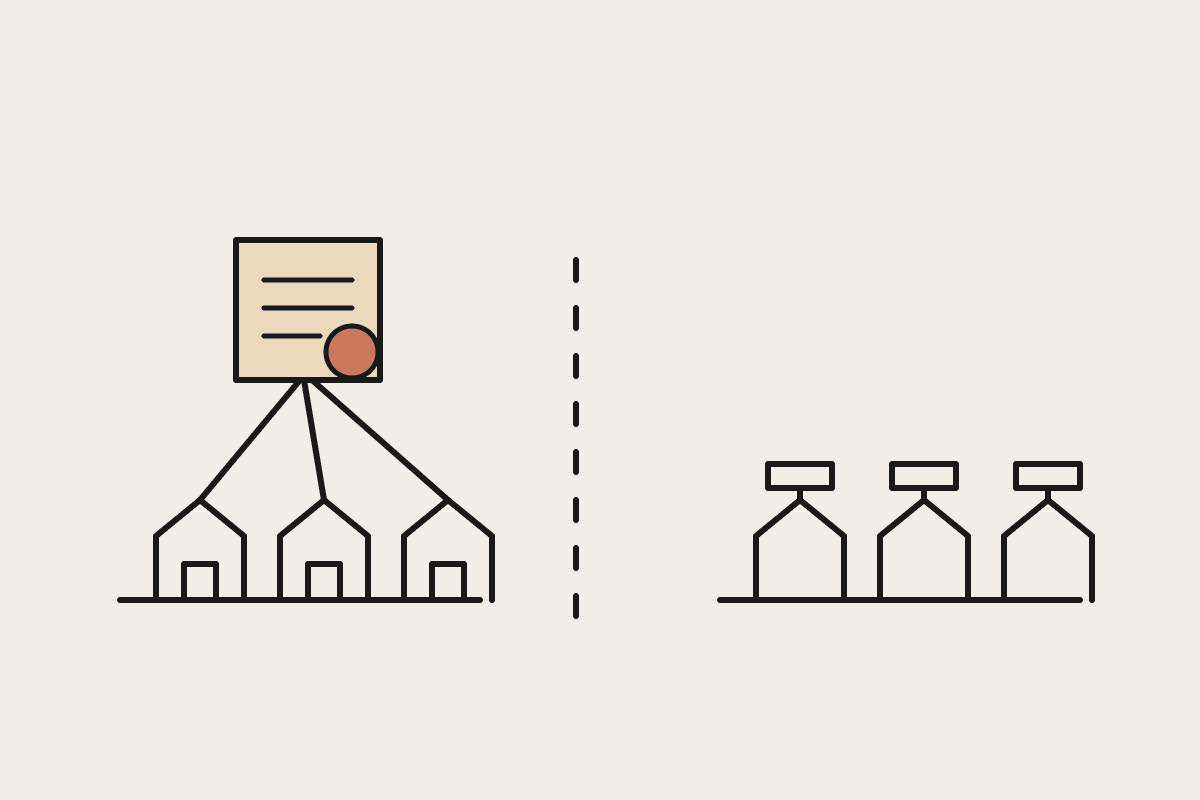
Self-hosting an open model for agent workloads is a different proposition from running it for occasional chat. Agents are bursty and long-running. A single workflow can hold a large context window open for an hour while making dozens of tool calls, which means provisioning for peak concurrency rather than average load. A single A100-class GPU instance suitable for a mid-sized open model runs around $4,000 a month from Australian-region cloud providers, before you account for redundancy, monitoring, or the engineer who keeps it healthy.
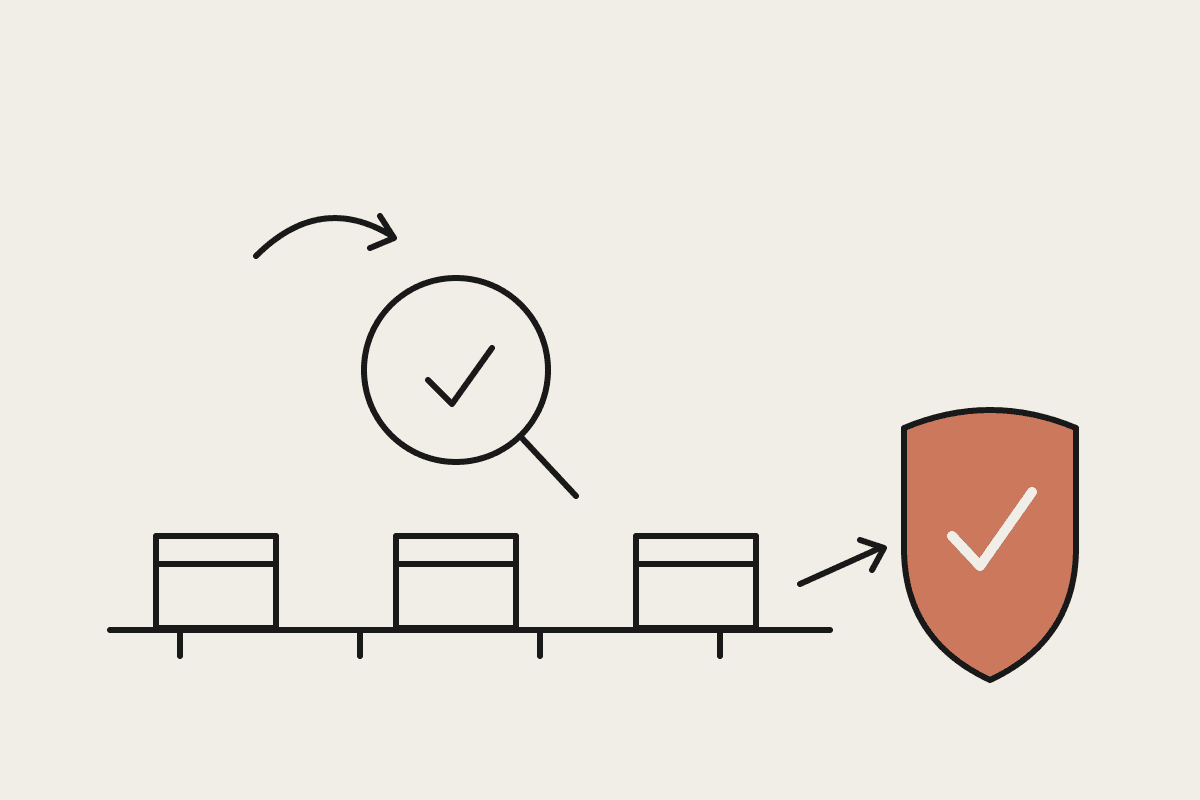
There is also the evaluation problem. Agent behaviour drifts when you swap model versions, change quantisation, or update the serving stack. Teams running open models in production need a regression suite of realistic agent tasks they replay on every change. That suite is real engineering work, and without it you discover regressions through customer complaints rather than test failures. Managed Claude does not remove the need for evaluation, but it removes the layer of variables underneath it.
Why reliability is a cost line
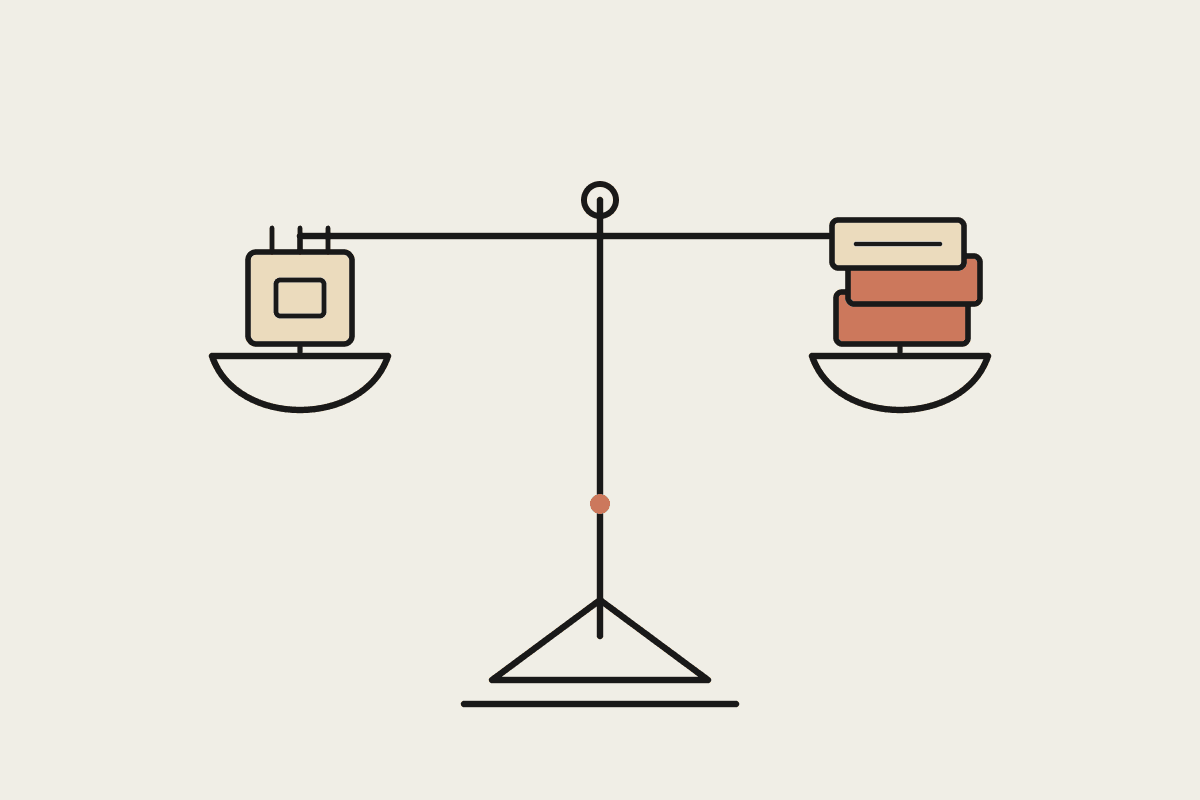
Run the numbers on supervision and the comparison changes shape. Suppose an agent processes 200 tasks a week and a person spends 20 minutes fixing each failure. At a 15 per cent intervention rate, that is 100 hours of skilled time a month. At 5 per cent, it is closer to 33 hours. For a Sydney business paying senior staff, the difference is roughly $30,000 a year in lost time, which erases any saving on the model itself. Reliability is not a luxury feature. It is a direct financial factor, and it belongs in the spreadsheet next to the per-token price.
A practical decision path
The choice does not have to be ideological. A simple sequence works for most Australian teams.
Match the model to the stakes: customer-facing or compliance-adjacent agents get the reliable option
Test agents on realistic, messy inputs before trusting any benchmark score
Measure intervention rate in your pilot and price supervision time honestly
Revisit open models for bounded, low-stakes tasks once your workflow is proven
We build agentic workflows with Claude as the default and test open models where the task is bounded and the downside is low. If you are weighing the two for a real project, book a brainstorm session and we will work through the numbers with you.