Adelaide manufacturing SMBs serving the defence supply chain carry a documentation and compliance workload most manufacturers never see: export controls under ITAR and EAR, Australian Industry Capability commitments, defence supplier accreditation, and the quality systems prime contractors demand before a purchase order moves. Claude-based workflows can absorb a meaningful share of that documentation work, provided the data boundaries are designed in from day one rather than bolted on after.
For an Adelaide defence supplier at $25M revenue, compliance and documentation work typically absorbs 18 to 28 percent of senior staff time. AI applied carefully recovers $200,000 to $500,000 of annual capacity without crossing controlled-information boundaries. This guide maps where AI belongs in defence supply chain work, where it must not go, and what a compliant rollout actually costs.
Where Claude helps in the defence supply chain
The safe ground is unclassified documentation work where the source material is already cleared for the systems it sits in and a named human owns the final output. In practice that covers more of the week than most suppliers expect:
Internal quality system documentation under AS9100, including procedure drafts, work instruction updates, and audit preparation packs
Tender response drafting on unclassified portions of a bid, with the bid manager owning every final word
Australian Industry Capability narratives assembled from past project performance records
Supplier qualification questionnaires and standard capability statements that currently eat senior engineering hours
Internal training and onboarding content for both shop floor and office staff
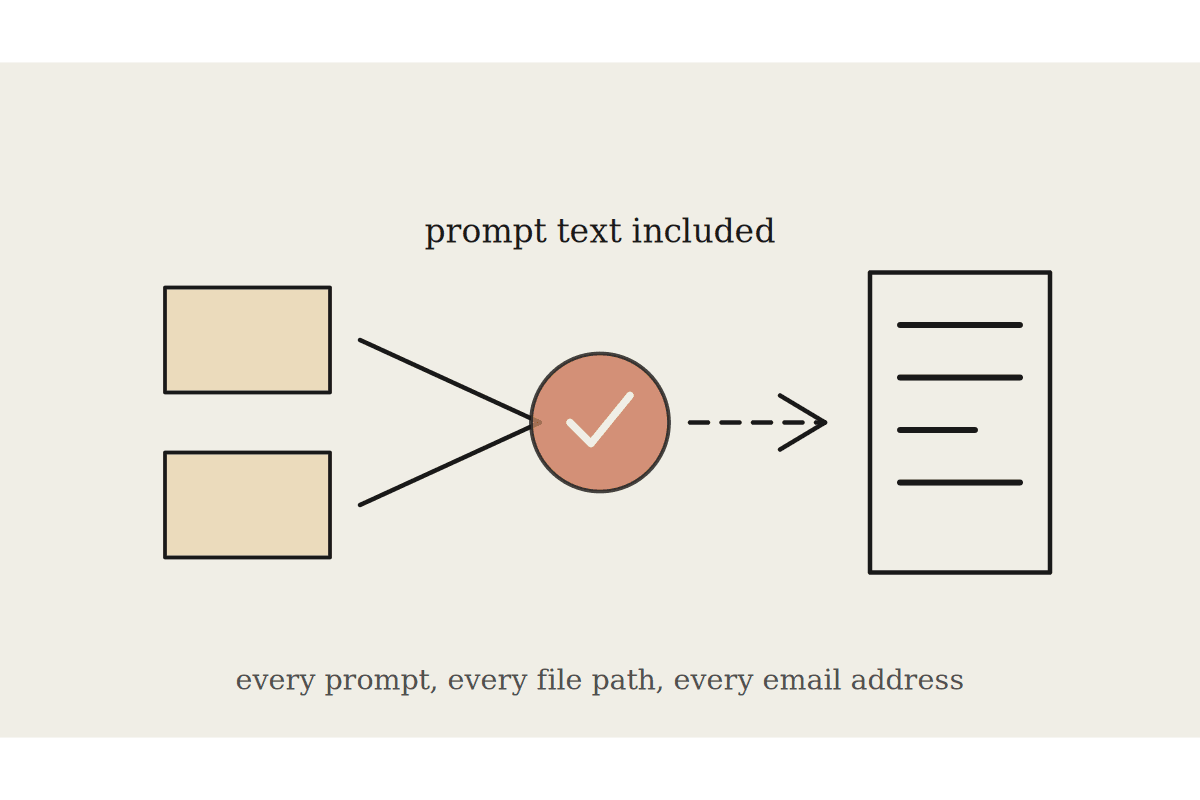
The constraint is data classification, not model capability. A Claude workflow must operate only on data the supplier is permitted to process through the chosen hosting arrangement, which is why deployment design comes before prompt design in every defence engagement we scope.
Where AI must not go in controlled work
Some defence supply chain data has hard limits that no productivity argument overrides:
ITAR-controlled technical data must not flow through US-hosted AI services without a specific licence
EAR-controlled data carries similar constraints, with country-specific implications that need legal review
Australia's Defence Trade Controls Act restricts how certain controlled goods data moves between systems and people
Project-specific classification under the Defence security framework limits where data can physically sit
The supplier's compliance officer reviews every AI workflow before it touches live work. Mistakes here are not productivity problems, they are export control breaches with penalties to match, and remediation costs that dwarf any time saved.
Deployment options: sovereign, hosted, and hybrid
The right deployment usually differs by workload rather than by company. The patterns we see working for South Australian defence suppliers:
Claude via AWS Bedrock in the Sydney region for unclassified work that still needs Australian data residency
On-premises or sovereign-certified deployment for the most sensitive eligible workloads
Hybrid designs that keep controlled data isolated while unclassified documentation flows through hosted Claude
A documented data flow map so the security officer can audit exactly what crosses which boundary, and when
The sovereign AI market in 2026 is limited but expanding. Adelaide suppliers should align deployment choices to their specific obligations now and revisit the architecture as certified options mature, rather than waiting for a perfect sovereign stack that may be years away.
AS9100 and quality systems
Adelaide defence suppliers operate under AS9100, ISO 9001, and project-specific quality requirements, and an AI workflow has to live inside that discipline rather than beside it:
Document control and version management aligned to AS9100 requirements
Audit trails for every AI-assisted change that touches product quality documents
Personnel competency records that include AI workflow training
Configuration management aligned to the defence project's requirements
AI does not certify quality. The certified people do. Claude accelerates the documentation around the certification, and a well-built workflow makes the audit trail stronger, not weaker, because every generated draft and human approval is logged.
Workforce and clearances
Defence supply chain work often requires personnel with security clearances, and AI changes none of that:
Cleared personnel handle cleared work, without exception
Uncleared staff and AI systems handle only unclassified material
The facility security clearance shapes what AI infrastructure is allowed on site
The security officer reviews AI workflows on a set cadence, not once at go-live
Cost and rollout
A working Claude workflow for an Adelaide defence supply chain SMB typically costs $80,000 to $300,000 AUD to set up and $25,000 to $90,000 a year to operate. Setup runs 8 to 16 weeks including the security review. The range is wide because the security architecture, not the AI build itself, drives most of the cost: a supplier whose work is largely unclassified lands near the bottom of that range, while one needing isolated infrastructure and extensive compliance documentation lands near the top.
The suppliers getting this right start with one well-bounded documentation workflow, prove it through a compliance review, then expand. If your business is sizing an AI build that has to survive a defence compliance review, book a pilot scoping session and we will map the data boundaries with you before any build starts.