Australian wealth advisers evaluating AI agents in 2026 face a compliance question before any technology question. Any system that touches retail clients or produces advice content sits inside the AFSL framework, the Best Interests Duty, and the financial adviser Code of Ethics. An agent design that cuts a corner on any of these creates regulatory exposure that costs more than any productivity gain returns.
The prize is still substantial. For a 30-adviser practice with around $1B in funds under advice, adviser capacity is the binding constraint on growth. A compliance-first agent design that returns 6 to 10 hours per adviser per week represents more than $1,500,000 of recovered annual capacity, which can be deployed into client growth, deeper service, or simply getting review season done without weekend work.
This guide sets out the workflow design we use at Automata AI when we build Claude-based agents for AFSL-licensed practices: where agents help, where they must not go, and what the build actually costs.
Where AI agents help advisers
The right scope is workflow support, not advice generation. A well-designed agent built on Claude should:
Prepare meeting briefs from the client portfolio, recent transactions, life events on file, and market context
Draft Statement of Advice sections as a starting point for the adviser to review and rework
Maintain the file note record of every client interaction, in the practice standard format
Assemble the compliance documentation required for each advice instance
Flag client situations that warrant proactive outreach, such as a life event or a material market change
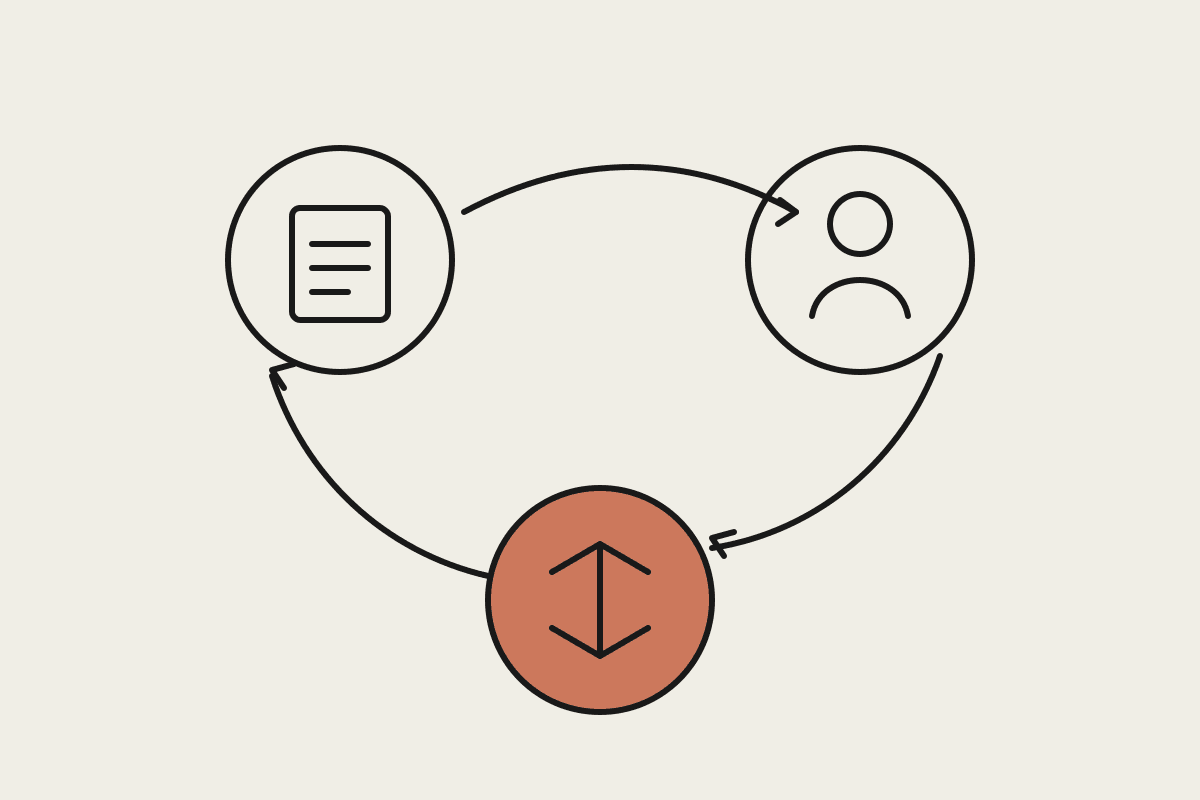
The adviser reviews everything, signs everything, and owns the advice. The agent removes the assembly and the typing, not the judgment.
Where AI agents must not go
Australian regulation is clear that advice is the licensee responsibility. An agent must not:
Send final advice content to a client without licensee review
Make recommendations to clients in any form, on any channel
Execute trades or instructions without the adviser giving explicit approval
Communicate directly with clients in a way that could constitute personal advice
These are regulatory boundaries, not technical preferences. Designs that cross them create AFSL exposure for the licensee, and ASIC has shown little patience for the argument that the software did it.
Best Interests Duty alignment
The Best Interests Duty requires the adviser to act in the client interest, and an agent that helps must support the adviser reasoning rather than substitute for it. Four design choices do most of the work here:
Surface options with trade-offs rather than single recommendations
Flag every situation where the underlying data is incomplete or stale
Record inputs and reasoning so the adviser can defend the advice file later
Never optimise for advice fees or product placement
If a design decision makes the advice file easier to defend in front of ASIC or an AFCA panel, it is probably the right decision. If it makes the file thinner, it is probably not.
Documentation the Code of Ethics expects
The Code of Ethics requires documentation that demonstrates the adviser reasoning, and this is where an agent earns its keep. For each advice instance the agent should produce:
A Best Interests Duty assessment summary in the licensee template
Risk profile validation against the client current circumstances
Product comparison with the rationale for the chosen option
Conflict-of-interest disclosure relevant to the recommendation
The adviser reviews and signs. The compliance officer reviews and signs. The agent has done the assembly work that used to consume the back half of the week.
Why we build these on Claude
Claude suits this workload for three reasons. First, long-context document handling: a client file with five years of file notes, two prior Statements of Advice, and a platform statement fits in a single context window, so meeting briefs are grounded in the actual record rather than a lossy summary of it. Second, approval gates are a first-class pattern: agent workflows built on the Claude platform can require a named human approval before anything leaves the practice, which maps directly onto the licensee review obligation. Third, Anthropic commercial terms do not permit training on your client data, which makes the Privacy Act conversation with your compliance committee considerably shorter.
Cost and rollout
A working agent for an Australian wealth practice typically costs $200,000 to $500,000 AUD to build and $50,000 to $150,000 a year to operate, depending on how many systems it reads from and how much of the Statement of Advice workflow it covers. Build takes 12 to 20 weeks with proper compliance review, and the compliance review is not the part to compress.
Sequencing matters more than scope. The Sydney and Melbourne practices that succeed with this start with meeting prep and file notes, prove the review workflow with their compliance officer over a full review cycle, and only then extend into Statement of Advice drafting. Practices that start with SoA drafting tend to stall in compliance sign-off and burn their budget before the agent reaches an adviser desk.
If your practice is sizing an AI agent build, the fastest way to scope it is a working session with someone who has shipped one inside the AFSL framework. Book a brainstorm with Automata AI and bring your messiest advice workflow.