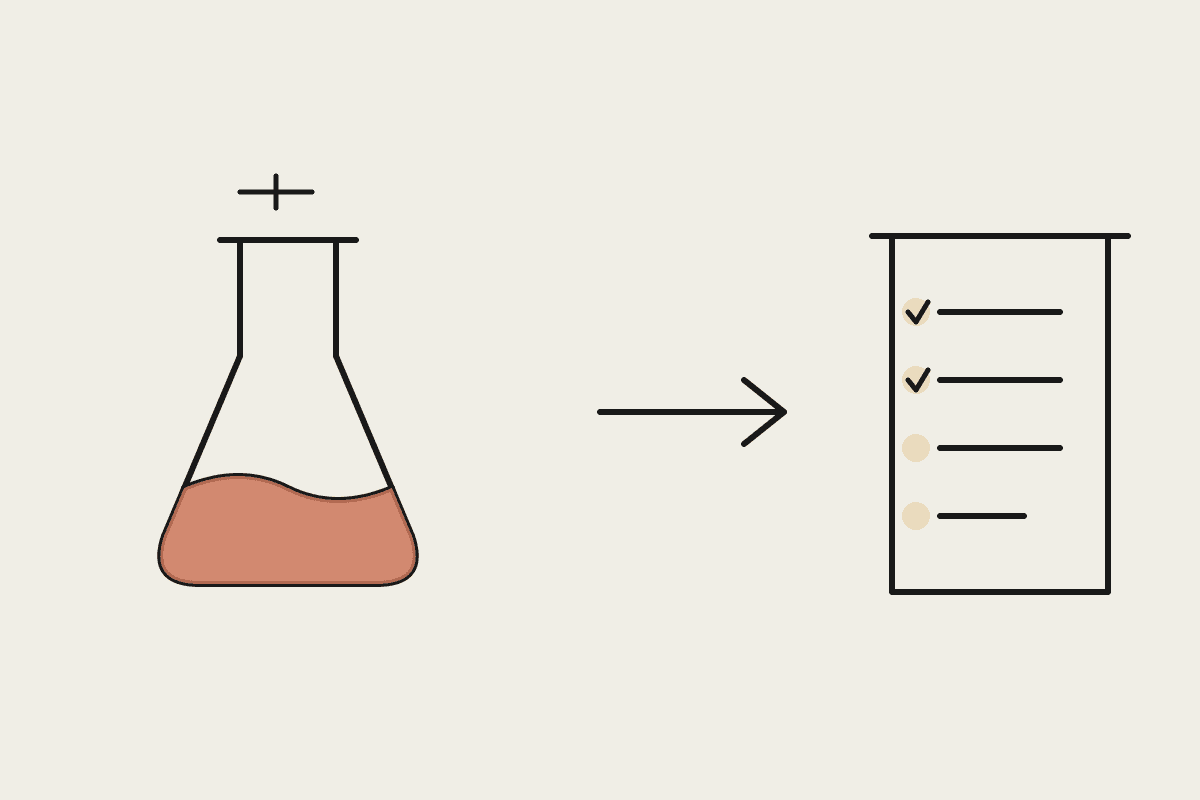
Marking load at Australian education providers has grown faster than academic headcount for a decade. Claude can absorb the routine share of assessment work, first-pass marking, rubric checks, and draft feedback, while academics keep final judgement. The design decisions matter. Get them wrong and the institution faces TEQSA findings, student complaints, and brand damage that lingers for years.
The numbers are large enough to justify board attention. For a tier-2 Australian university with 25,000 students, marking and feedback labour at the unit level typically runs $18M to $32M per year. Claude workflows applied carefully recover 25 to 40 percent of that as academic capacity, which can be redirected to teaching, supervision, and research rather than line-by-line rubric work.
Where Claude-assisted marking earns its keep
The right scope is well-defined assessment types where the marking criteria are explicit and the model's reasoning can be checked quickly:
Multiple-choice and structured response auto-marking, with Claude generating a rationale for each answer so the academic can verify the logic
First-pass feedback on draft writing assignments, with the academic reviewing before anything reaches the student
Code submissions in introductory programming units, with the academic spot-checking a sample each week
Standardised exam responses where the rubric is rigorous enough that two human markers would agree
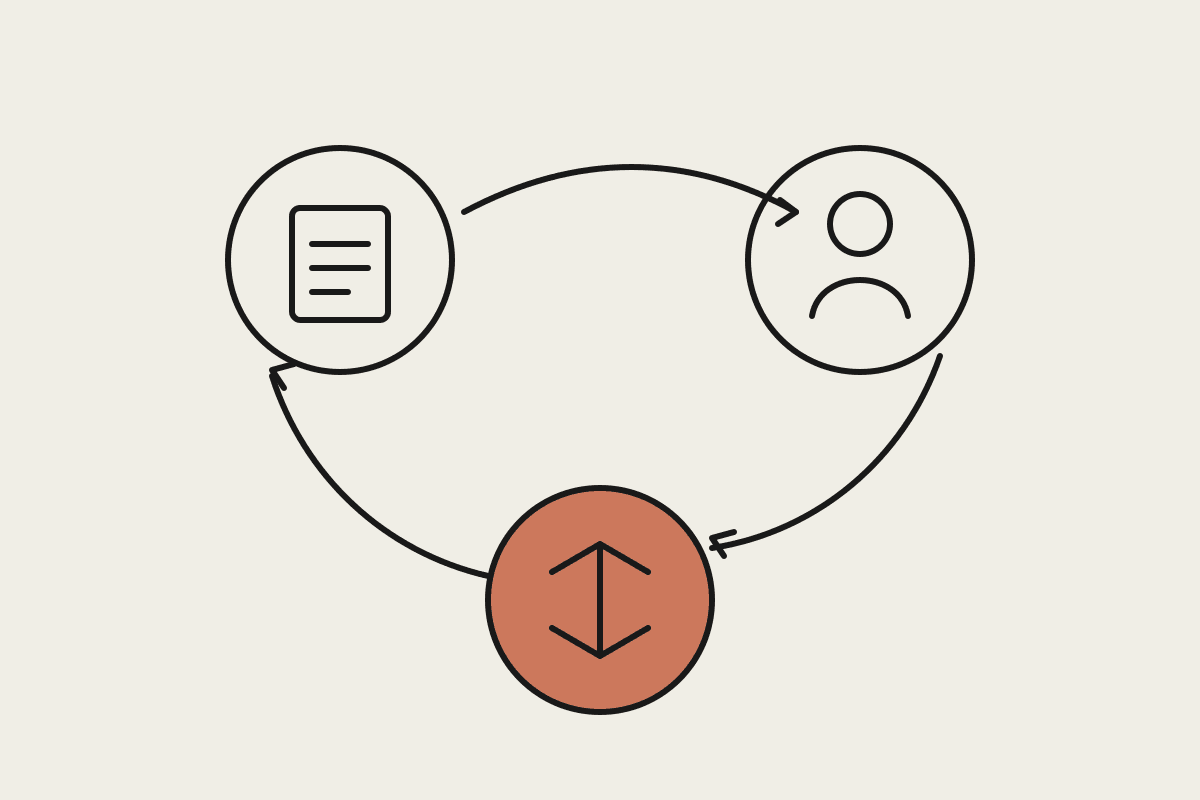
The academic owns the final mark in every case. Claude does the bulk first-pass review, and time per student response drops from roughly 8 minutes to about 2 minutes of academic checking. Across a 400-student first-year unit, that is the difference between three weeks of marking and four days.
Where AI marking should not go
Some assessment types should stay fully human, regardless of how good the tooling gets:
Honours and postgraduate research work, where the assessor's judgement is the point of the exercise
Performance and creative work in arts disciplines
High-stakes summative assessment without an explicit institutional policy in place
Any assessment where the academic cannot verify the model's reasoning
TEQSA's position is consistent: AI involvement in marking must be transparent to students, and the academic remains responsible for the grade. Institutions that treat this as a footnote rather than a design constraint are the ones that end up writing remediation plans.
Design integrity policy and marking together
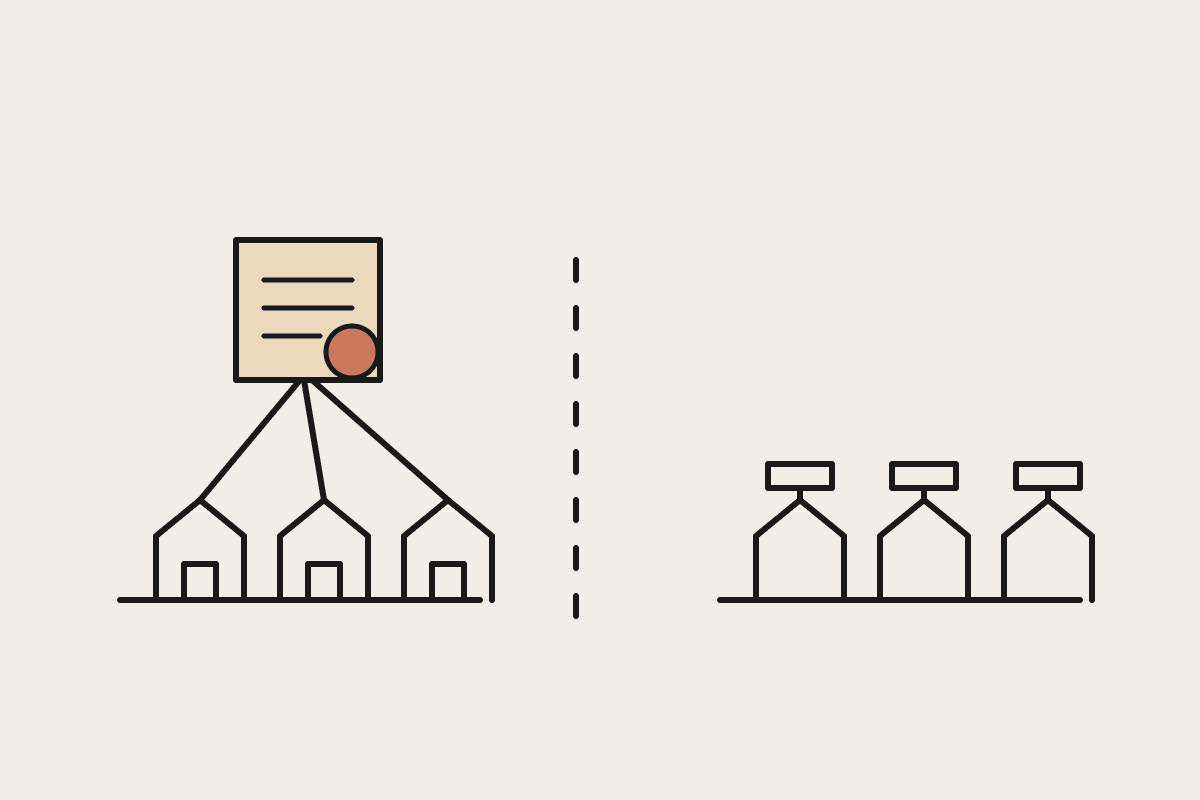
Australian providers are wrestling with student use of AI on assessments at the same time as they introduce AI marking. The two questions interact, and policy written for one without the other ages badly. A workable integrity framework includes:
Clear course-level guidance on permitted student AI use, written in plain language rather than legalese
Assessment redesign in high-stakes courses to reduce ghost-writing risk
Claude-augmented integrity review of submitted work, with an academic confirming every flag before any action is taken
A student education programme so expectations are known before the first assessment, not after the first misconduct hearing
Feedback quality is the quiet win
Most Australian students rate feedback as the single most valuable academic interaction, and many rate the feedback they actually receive as rushed. Claude-drafted feedback can be more thorough than end-of-semester human feedback when the prompt is tuned to the rubric. Good AI-drafted feedback includes:
Specific reference to rubric criteria rather than generic praise
Identification of strengths, not just deficiencies
Concrete suggestions the student can apply on the next attempt
A confidence flag where the model is unsure, so the academic looks closer before release
The academic reviews and adjusts before anything is released. Time per detailed feedback item drops 60 to 70 percent, and consistency across tutors improves because every draft starts from the same rubric and the same standard.
Privacy and student data
Student work is personal information under the Privacy Act 1988, and the Higher Education Standards add their own expectations. A defensible Claude marking pipeline must:
Run inference in a manner consistent with the institution's privacy policy and data-handling commitments
Avoid retaining student work beyond the marking cycle without consent
Give students transparency about AI involvement in their grading
Document the assurance regime so it stands up to TEQSA review
What a sensible first rollout looks like
Start with one faculty and one assessment type, typically first-year structured responses, where volume is high and rubric quality is good. A scoped pilot for an Australian university or large RTO typically costs $60,000 to $150,000 to stand up and runs 8 to 12 weeks, including integrity policy alignment and academic training. The pilot should publish its error rates internally. Nothing builds academic trust faster than honest numbers.
Ongoing run cost is modest by comparison: most providers land between $2,000 and $8,000 per month in model usage for a faculty-scale deployment, a small fraction of the marking labour it offsets. The bigger investment is academic time in rubric tuning during the first semester, which pays back every semester after that.
If your institution is sizing a Claude marking rollout for 2027 intakes, we run scoping sessions with Australian education providers. Book a brainstorm session.