Australian manufacturers running mid-market plants have heard the predictive maintenance pitch for 15 years, and most are right to be sceptical. The classic failure pattern is consistent: the project required a data science team the plant did not have, sensor investments the plant could not justify, and a software platform nobody could maintain after the integrator left. The 2026 landscape is different. Predictive maintenance now ships without a data science team, and Claude is a large part of why.
For a 200-employee Australian manufacturer with $80M revenue, an unplanned downtime hour typically costs $4,500 to $18,000 in lost production plus the repair scramble that follows. A 30 percent reduction in unplanned downtime represents $400,000 to $1.6M of recovered annual capacity. That is the prize, and it no longer requires hiring statisticians in a market where Sydney and Melbourne data scientists command $160,000-plus salaries.
Why this works now without data scientists
Four shifts have made predictive maintenance accessible to Australian manufacturers without dedicated analytics staff:
Industrial vendor platforms now ship with pre-trained anomaly detection, so the modelling work arrives done rather than being a project of its own.
Sensor hardware for vibration, current draw, and temperature has dropped sharply in price, making meaningful coverage affordable for a mid-market plant.
Claude can interpret anomaly signals, maintenance logs, and vendor manuals in plain English, so a maintenance engineer gets usable answers without a statistician in the loop.
Existing PLC and SCADA systems can stream the data the platform needs without a new historian project.
The division of labour is clean. The plant maintenance manager owns the program. The vendor platform handles the modelling. Claude handles the interpretation and the paperwork around it. The maintenance team acts.
Where Claude fits in the maintenance loop
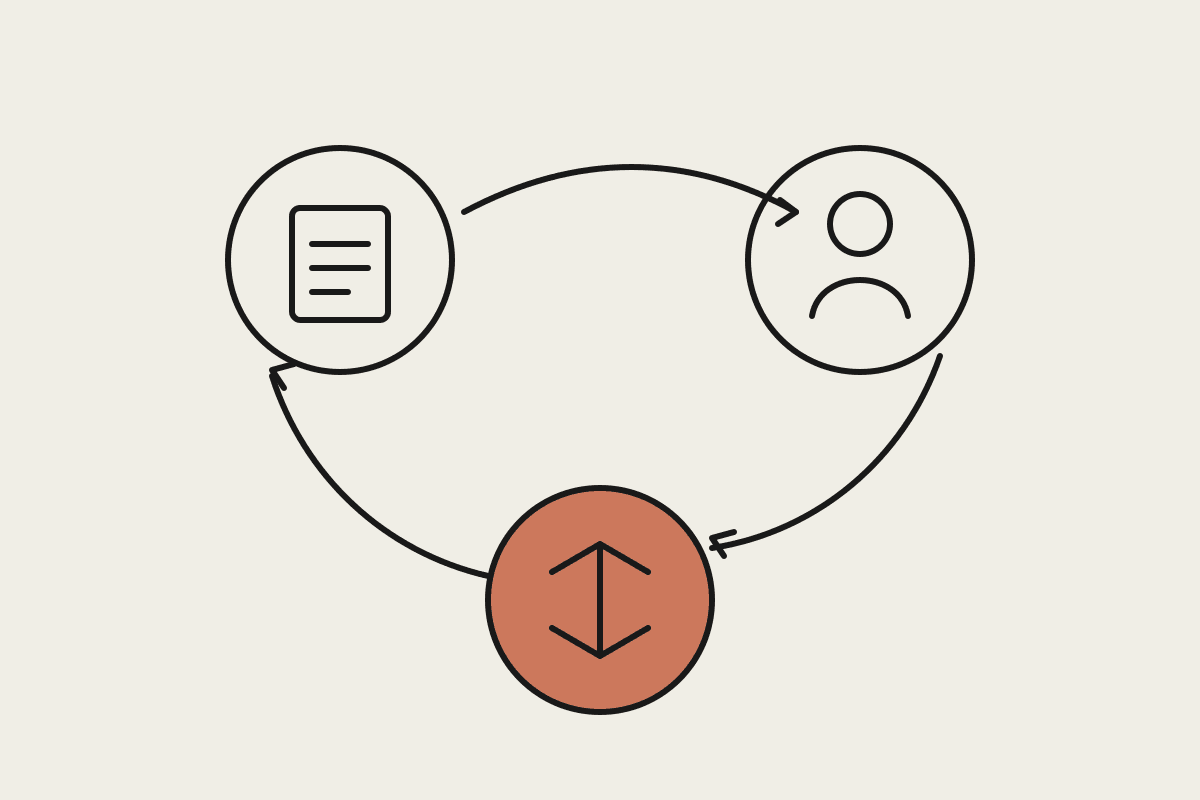
The gap in most predictive maintenance rollouts is not detection, it is response. An anomaly score on a dashboard does nothing until someone turns it into a work order, a parts request, and a clear instruction for the fitter on shift. This response layer is where Claude earns its keep:
Translating an anomaly flag into a plain-English summary of the likely failure mode, drawing on the asset's maintenance history
Drafting the CMMS work order with the right priority, parts list, and isolation steps
Summarising vendor manuals and past work orders when the fitter asks what was done last time this bearing ran hot
Writing the monthly reliability report the plant manager actually reads
None of this requires a model trained on your plant. It requires connecting Claude to the maintenance history you already hold and the manuals already sitting on the shared drive. That is integration work measured in weeks, not a research program.
Where to start
The right first asset is one that costs the plant real money when it fails. Useful starting candidates:
Critical production equipment with a long lead time on replacement parts
Compressed air systems, where leaks and degradation compound silently
Conveyor motors, where a bearing failure causes a downstream cascade
HVAC and chillers, where decline is gradual and highly detectable
Pick one asset class. Get sensors on. Run for 90 days. Measure the value before scaling to the rest of the plant.
What good signals look like
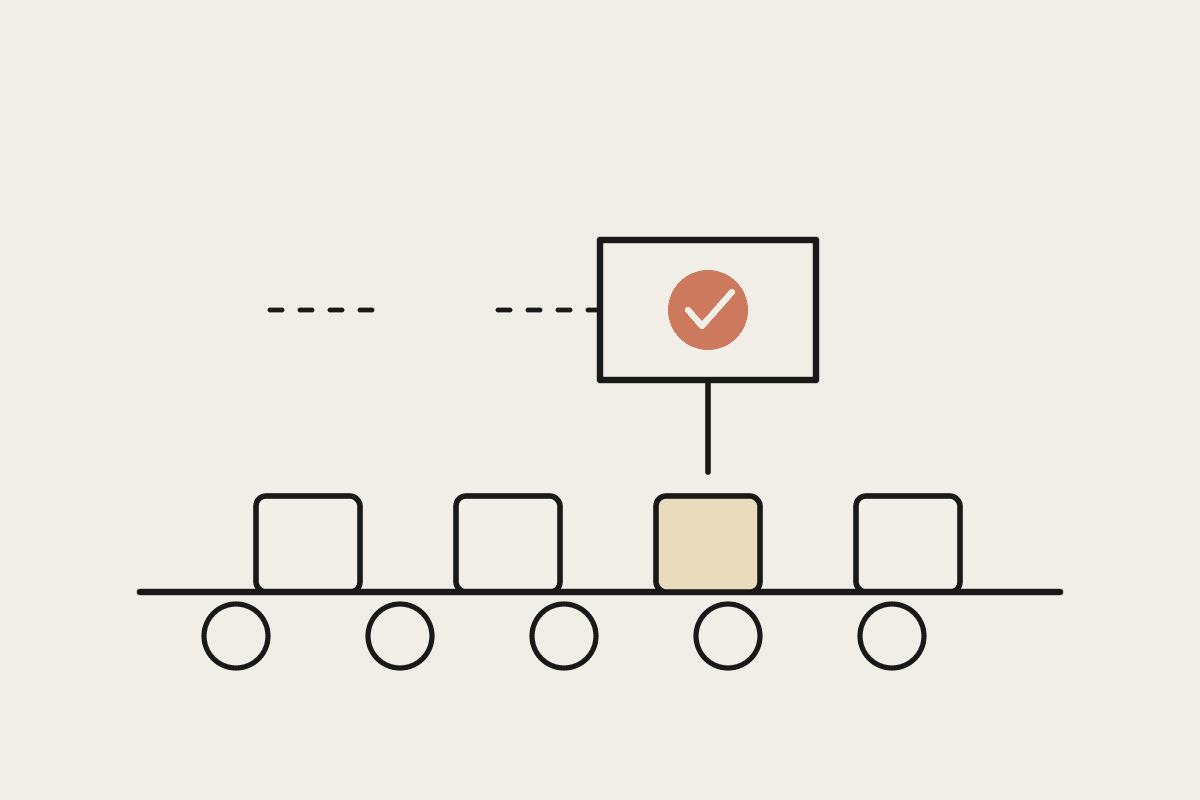
Whichever platform you choose, the output should give the maintenance team four things:
An anomaly score per asset with a threshold the team can adjust
A flag for each anomaly suggesting the likely failure mode
A recommended next action: inspect, schedule maintenance, or no action
A confidence indicator a fitter can read at a glance during a shift handover
The maintenance manager schedules the response. The platform does the watching. Claude does the explaining.
What not to do in v1
The common first-version mistakes in Australian manufacturing predictive maintenance are well documented:
Trying to instrument every asset in the plant on day one
Buying the most expensive vendor platform before piloting cheaper options against your actual failure history
Building a custom data science capability instead of using a vendor platform plus Claude for interpretation
Skipping the CMMS integration, which is where maintenance work actually gets scheduled and recorded
The right v1 is narrow, boring, and ships in 90 days.
Cost shape
A working predictive maintenance v1 for an Australian mid-market plant typically costs:
Sensors and installation: $25,000 to $80,000 for the first asset class
Vendor platform licence: $30,000 to $90,000 per year
Claude integration for work orders and reporting: $15,000 to $40,000 in the first year
Internal time: 0.3 to 0.5 FTE of the maintenance manager during rollout
Total first-year cost: $90,000 to $280,000 AUD
Payback on the right asset class is usually under 9 months. On the wrong asset class it never arrives, which is why the selection step above matters more than the platform choice.
A 90-day rollout that holds
Weeks one to three: sensors installed on the chosen asset class, data flowing into the platform, baseline behaviour captured. Weeks four to eight: thresholds tuned against the plant's real history, false-positive rate driven down to a level the maintenance team trusts. Weeks nine to twelve: Claude connected to the CMMS and maintenance history, drafting work orders from anomaly flags, with the team measuring downtime avoided against the baseline.
At day 90 the plant has a number: downtime hours avoided, multiplied by the plant's own cost per hour. That number, not a vendor's case study, is what justifies extending coverage to the next asset class.
If your plant is sizing a predictive maintenance build, book a manufacturing pilot through our contact page.