If you run a business in Brisbane and you have started pricing AI automation, you have probably noticed the quotes are all over the place. One provider wants $2,000 for a chatbot. Another quotes $85,000 for a platform. A third talks about agents and skills and never mentions a number at all. This guide sorts out what AI automation actually means in 2026, what it costs in the Brisbane market, and which use cases return the money fastest.
What AI automation means for a Brisbane business
AI automation is software that reads, decides, and acts on work that used to need a person at a keyboard. The current generation is built on large language models, and at Automata AI we build most of it with Claude because it holds up on long documents, follows instructions closely, and is careful about what it will and will not do. For a Brisbane services firm, that means an assistant that can read an inbound email, pull the right file, draft a quote, and leave it for a human to send.
The important shift is from rules to judgement. Older automation followed fixed if-this-then-that rules and broke the moment reality did not match the rule. A Claude-based agent reads the actual content and handles the messy cases a rule never anticipated. That is why the same tool can triage a council enquiry, summarise a site report, and answer a customer question without three separate builds.
Common starting points for Queensland businesses include:
Inbox triage: sorting, tagging, and drafting replies to the enquiries that arrive every day.
Quote and proposal drafting: turning a rough brief into a first-draft quote a person reviews.
Document review: reading contracts, tender packs, or compliance forms and flagging what matters.
Report writing: turning field notes, spreadsheets, or meeting transcripts into a clean draft.
Customer support: answering repeat questions from your own documented policies, with a human on anything unusual.
What AI automation costs in Brisbane
Prices in the Brisbane market fall into three broad bands, and knowing them stops you overpaying for a small job or under-scoping a real one.
Fixed-scope build: a single well-defined workflow, such as inbox triage or quote drafting, typically runs $3,500 to $12,000 depending on how many systems it touches.
Multi-workflow project: three to five connected workflows with proper testing and handover usually sits between $15,000 and $45,000.
Ongoing retainer: most Brisbane providers charge $1,500 to $6,000 a month to run, monitor, and improve a live system once it is in place.
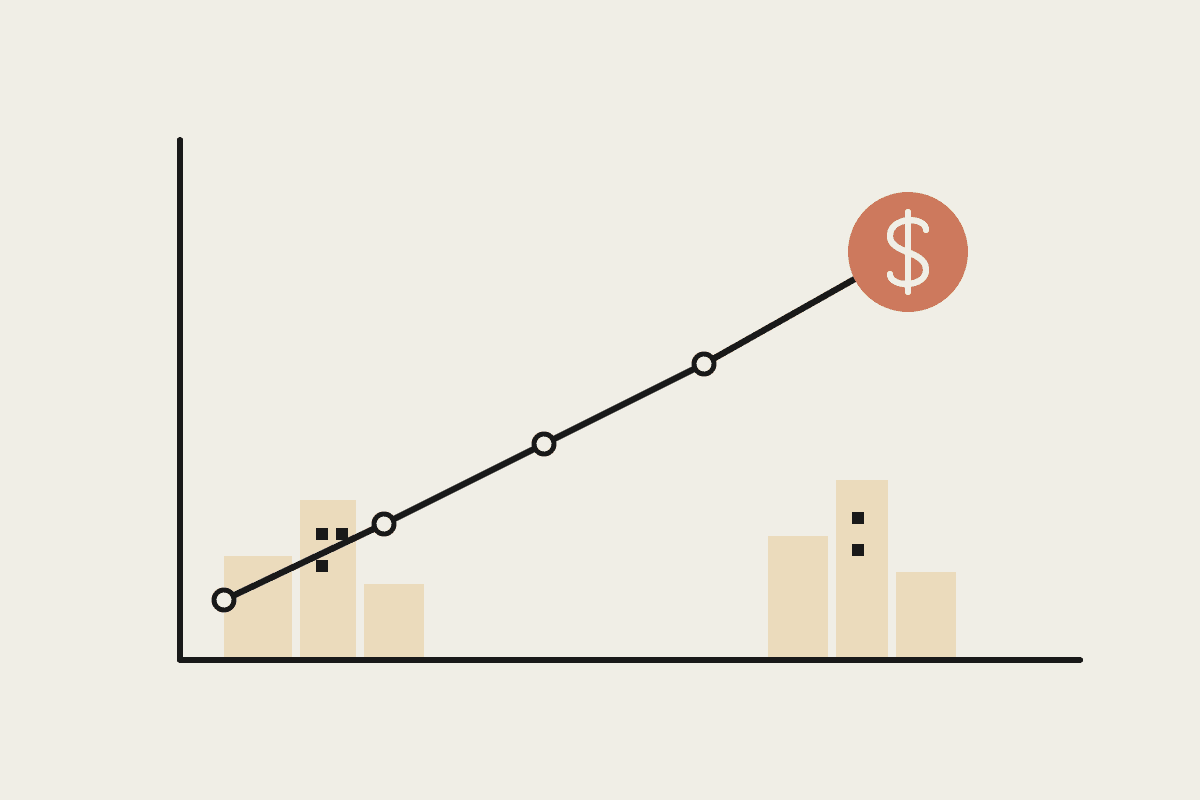
On top of the build, budget for the AI usage itself. For a small or mid-sized Brisbane business, Claude API costs for a working automation are often $50 to $600 a month, which is small next to the labour it replaces. A single automation that saves one staff member a day a week is worth roughly $18,000 a year in recovered time at a $90,000 salary, so a $10,000 build pays back inside a year on that maths alone.
Be careful with two pricing traps. The first is a cheap chatbot that answers from generic web content and cannot touch your real systems. The second is an enterprise platform licence priced for a company ten times your size. A right-sized Brisbane project usually lands between those two.
Use cases that pay for themselves
The projects that return the money fastest share a pattern: high volume, clear rules of thumb, and a human still signing off. A few that work well for Brisbane businesses:
Trades and construction: reading plant dockets and variation claims, then drafting the paperwork so nothing is missed at invoicing.
Professional services: turning a discovery call transcript into a scoped proposal in minutes instead of an afternoon.
Property and real estate: drafting listing copy, compliance checklists, and owner updates from a single set of facts.
Health and allied practices: handling booking and reminder correspondence so clinical staff stay on clinical work.
Accounting firms: sorting ATO correspondence, drafting client emails, and preparing first-pass working papers under review.
In each case Claude does the first draft and a person does the final check. That keeps quality high and keeps you on the right side of your obligations, which matters when the work touches privacy, financial advice, or regulated records.
Choosing a provider in Brisbane
There are more AI automation providers in the Brisbane market every month, and the range of quality is wide. A few questions separate the operators from the resellers:
Ask what happens when the model gets something wrong. A serious provider has an answer about review steps, logging, and human sign-off.
Ask where your data goes. Under the Privacy Act, you are accountable for how customer information is handled, so you want clear answers on storage and access.
Ask to see a working demo on something close to your own work, not a generic sales deck.
Ask what you own at the end. You should keep the prompts, the configuration, and the ability to run it without the provider.
You do not need to be in a capital city to get good work. Plenty of Brisbane and regional Queensland businesses run their automation with remote-first specialists, and the practical difference is small when most of the delivery happens over shared documents and short calls.
A sensible first project
The best first project is small, measurable, and annoying enough that everyone will notice when it goes away. Pick one workflow that eats hours every week, put a Claude-based draft-and-review process around it, and measure the time saved for a month. If it works, you will know exactly what the next one is worth before you spend on it. If it does not, you have risked a fixed fee rather than a platform contract.
If you want a straight answer on what a first automation would cost for your Brisbane business, book a short call and we will scope it with you.