Five thousand dollars is a real budget for a small business, and it is enough to get a first automation working properly if you spend it in the right order. The mistake we see most often with owners in Sydney and Brisbane is treating AI like a single purchase: a subscription gets bought, a few people try it for a week, and nothing much changes. A better approach treats the $5,000 as the cost of building one or two workflows that a person on your team would otherwise do by hand every day. This guide sets out where to start with Claude, what to skip, and the sequence that pays back the fastest.
What $5,000 Actually Buys
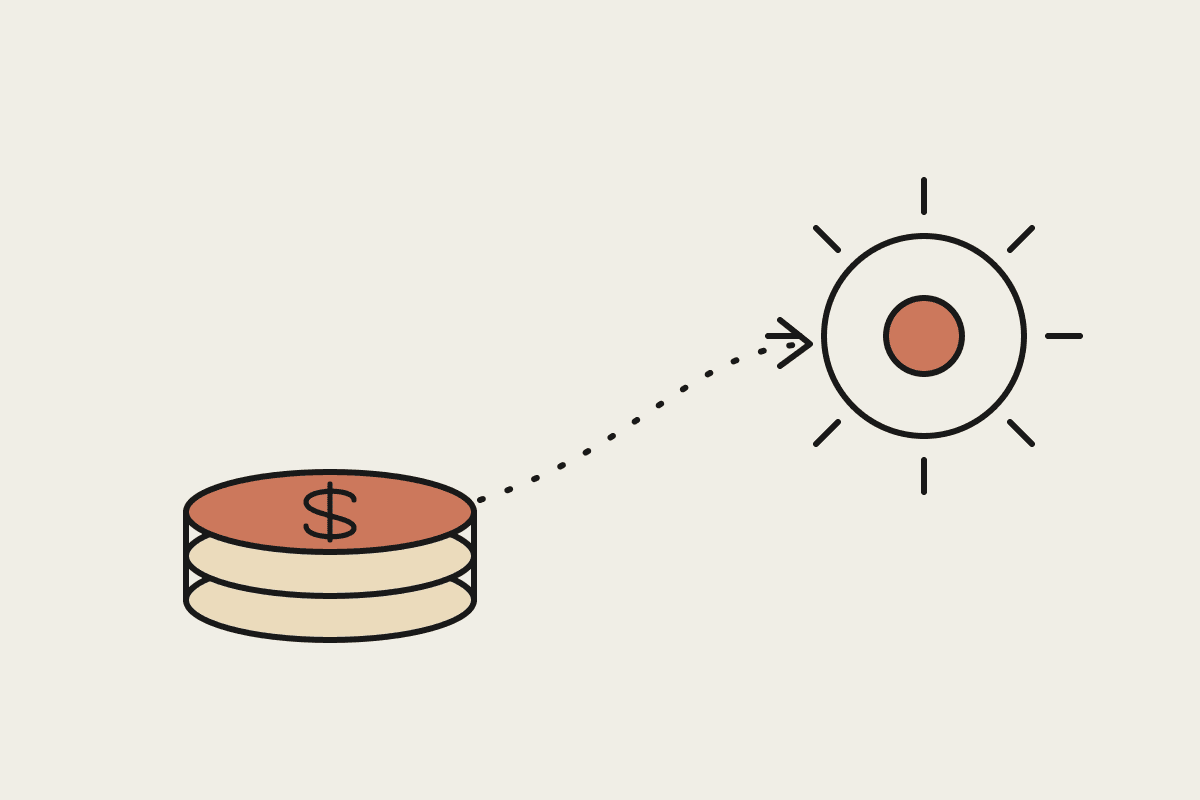
Most of a first automation budget is time, not software. Claude itself is inexpensive to run, and a small business rarely spends more than $50 to $200 a month on model usage for a single workflow. The real spend is the work of mapping the process, writing the instructions, connecting the tools you already use, and testing until the output is reliable. On a $5,000 budget that usually breaks down like this:
Discovery and process mapping: roughly $1,000 to $1,500 to document one workflow end to end and decide what is worth automating.
Build and testing: $2,000 to $3,000 for writing the instructions, connecting your email or spreadsheet, and checking results against real cases.
Running costs: $50 to $200 a month in Claude usage, which stays well under $2,400 a year even at the top end.
A small buffer for changes once your team starts using it in earnest.
Compare that to the alternatives. A part-time administrator in Australia costs around $45,000 a year once you include superannuation and other on-costs, and a full agency retainer can run past $8,000 a month. A single well-built workflow sits far below both, and it does not take annual leave.
Start With the Work You Already Repeat
The best first automation is boring. It is the task someone on your team does the same way every day, that follows a pattern, and that does not turn on a judgement about a person's livelihood or safety. If you can describe the job in a paragraph and point to ten past examples, Claude can usually produce a solid first draft of it. Good candidates for a small business include:
Turning enquiry emails into structured quotes or bookings, using your own pricing.
Drafting replies to common customer questions in your own tone, ready for a person to check and send.
Reading invoices or receipts and sorting them into the categories your bookkeeper already uses.
Writing first drafts of product descriptions, listings, or social posts from a short brief.
Summarising long documents, contracts, or reports into a single page a busy owner can read.
Notice that each of these ends with a person reviewing the output. That is deliberate. On a first project you want Claude doing the drafting and sorting, with a human keeping the final say. It builds trust in the tool and keeps you on the right side of the rules.
A Sensible Order for the First 90 Days
Spending the budget in phases keeps the risk low and gives you something working early. A typical first quarter looks like this:
Weeks 1 to 2: pick one workflow, write down how it is done today, and gather real examples.
Weeks 3 to 6: build the automation, connect it to the one or two tools it needs, and test against those examples until it is right most of the time.
Weeks 7 to 10: let one or two people use it for real work, with a quick way to flag anything wrong.
Weeks 11 to 12: measure the hours saved, fix the rough edges, and decide whether to widen it or start a second workflow.
By the end of the quarter you should be able to point to a number: hours returned to the team each week, or enquiries answered faster. If you cannot measure it, the workflow was probably the wrong one to start with, and a $5,000 budget is small enough that changing course early costs almost nothing.
What to Skip on a $5,000 Budget
Just as important as where to start is what to leave alone for now. Automating a broken process only produces bad results faster, so fix the process first and then automate the version that works. On a first budget, keep away from a few things:
Full end-to-end automation of a process no one has mapped yet.
Any tool that needs months of custom software before it produces a single useful result.
High-stakes decisions about credit, hiring, or safety, where a human must own the call.
Keeping It Safe and Compliant
Even a small first project has to respect the rules. If your workflow touches customer information, the Privacy Act applies, so be clear about what data goes into Claude and keep personal details to what the task actually needs. Businesses in regulated areas carry extra duties: a bookkeeping or finance workflow can brush against AUSTRAC reporting obligations, and your company records still have to meet ASIC expectations. None of this should stop a small business from starting. It just means writing down what the automation does, where the data goes, and who checks the output, so you can answer a question about it later with confidence.
Where This Leads
A first $5,000 project is not really about the one workflow. It is about learning how your business and Claude work together, so the second and third projects are quicker and cheaper to build. Most Australian small businesses that start this way find their next automation costs a fraction of the first, because the hard part, understanding the work, is already done. If you want help choosing the right first workflow and spending that budget well, you can book a short call and we will map it out with you.