Melbourne engineering consultancies run the same proposal-to-delivery cycle as their Sydney peers, but the market is sharper on both ends: more firms chasing each tender, and tighter compliance expectations shaped by the Victorian construction regime, the metropolitan rail and infrastructure programmes, and a strong defence and aerospace sector. The pressure lands on senior engineers, who spend evenings writing bid responses instead of doing the engineering the firm actually wins work for.
Claude changes the economics of that workload. For a 60-engineer Melbourne consultancy billing $16M a year, applying Claude across the bid, brief, and compliance stack typically recovers 20 to 32 percent of senior engineer time, worth $2M to $3.8M of annual capacity. Those figures come from the patterns we see in Australian professional services engagements, sized for the Melbourne market, and they hold up because the work being absorbed is documentation and drafting, not engineering judgement.
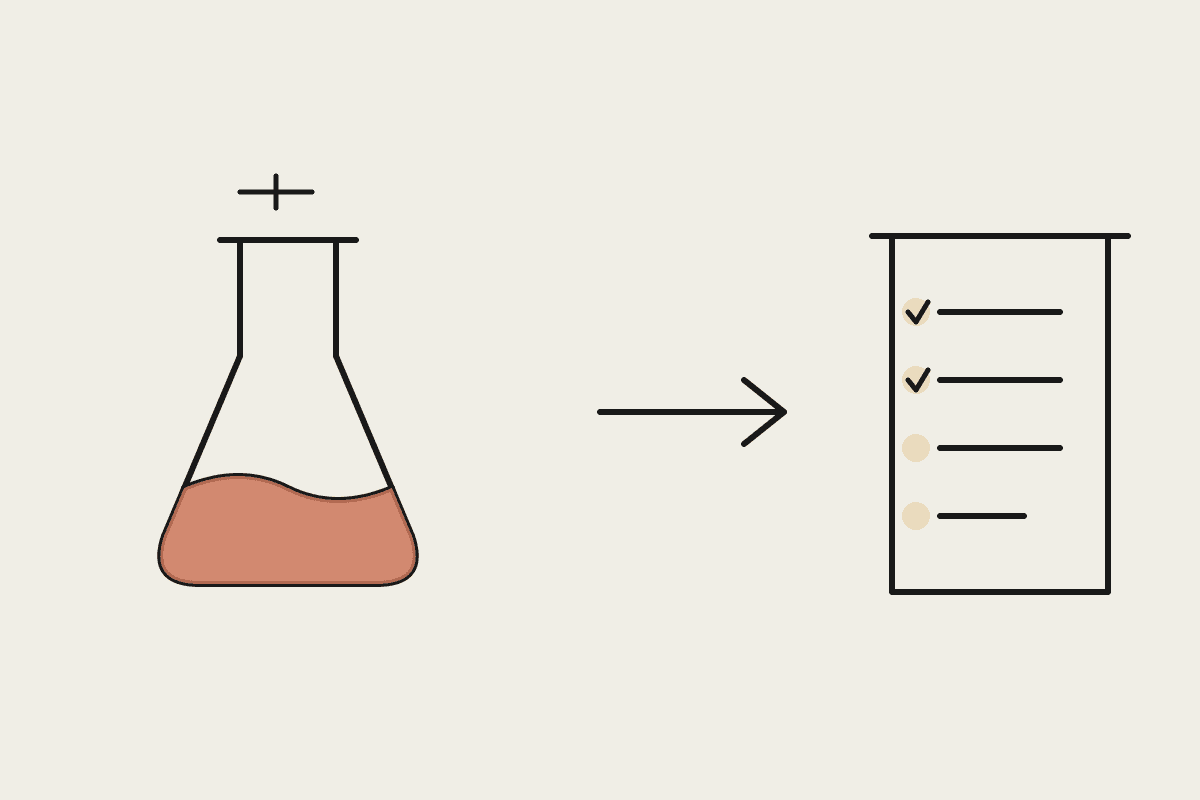
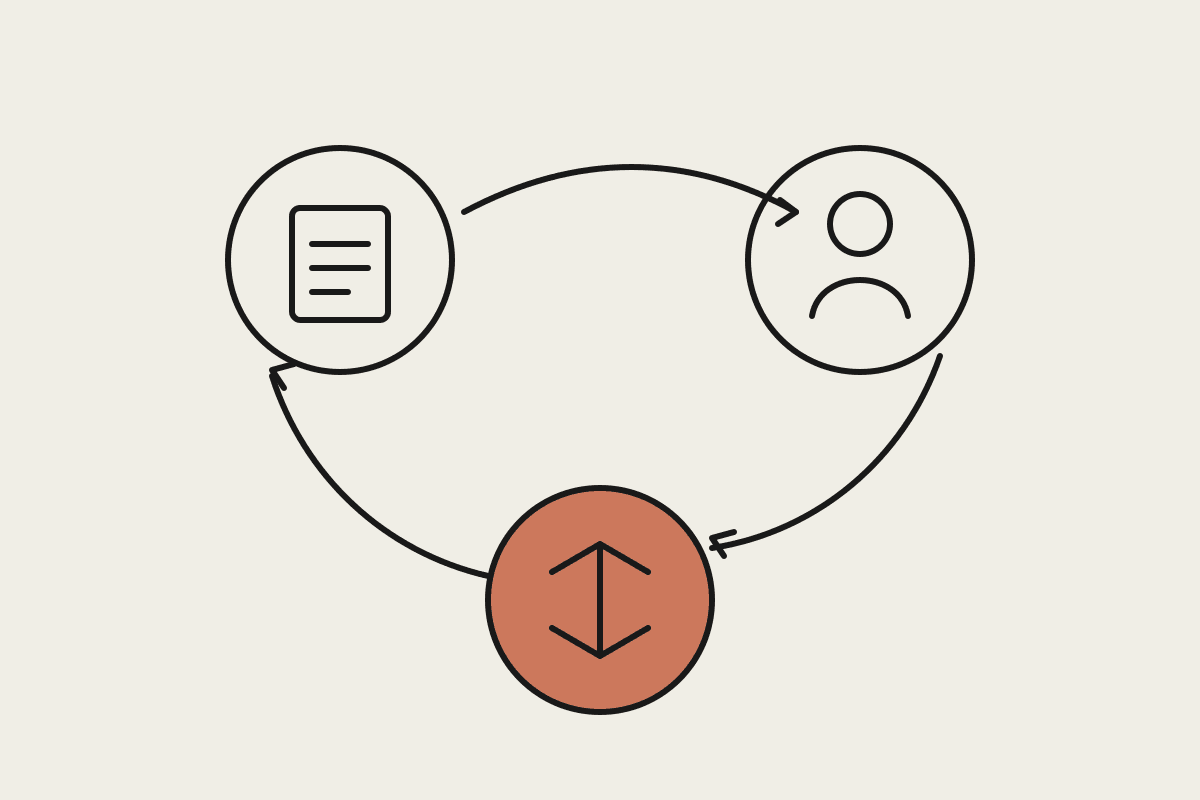
This guide walks through the three workflow groups in the order a Melbourne firm should adopt them, the boundaries a credible rollout has to respect, and what the build actually costs.
The bid stack: faster responses without dropping fee
Melbourne bids are competitive. The consultancies that ship higher-quality responses faster win more work without discounting. The work Claude takes on is the writing volume, not the judgement:
Bid response drafting against the response schedule, in the firm's voice and structure
Capability narratives assembled from the firm's project portfolio and team CVs
Methodology sections tuned to the specifics of each project rather than recycled boilerplate
Fee narratives aligned to the firm's costing standard
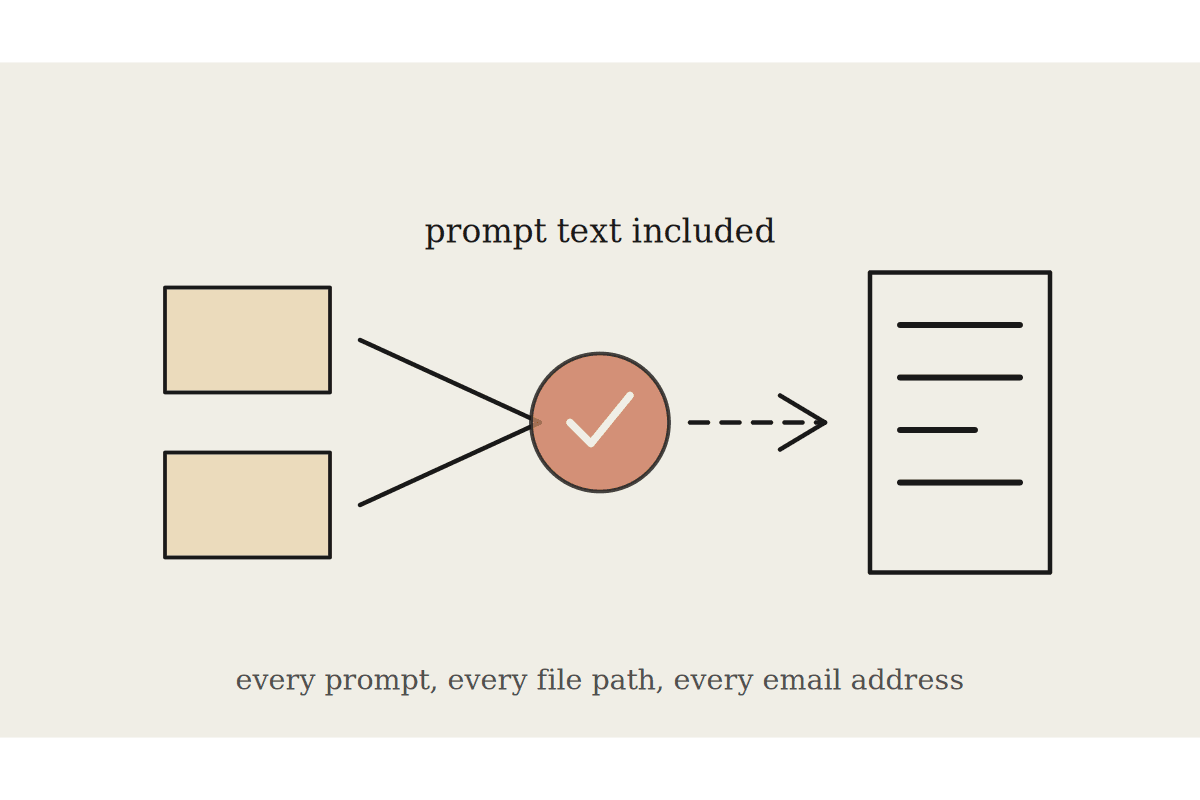
The bid director still reviews and signs everything. What changes is the cost of each submission. Firms that tune this workflow across six to ten bids typically see win rates lift by 3 to 7 percentage points, because the team can afford to put full effort into every response instead of rationing attention across the tender pipeline.
Brief management: turning weak briefs into clean scopes
Client briefs vary widely in quality, and unclear briefs are where engineering projects start losing money before any design work begins. Claude helps the consultancy convert a vague brief into a clean scope:
Brief reformulation into the firm's standard structure, with gaps made explicit
Question lists for the client covering every ambiguous area
Risk and assumption logs drawn directly from the brief text
Scope confirmation drafts ready for client sign-off
The project director reviews before anything goes back to the client. The client receives a clearer scope confirmation than the one they wrote, and the project starts cleaner, with fewer variations and disputes later. On a $1.5M engagement, catching two scope ambiguities at confirmation stage routinely saves more than the entire annual run cost of the tooling.
The compliance stack: documentation at the speed of the project
Victorian engineering work sits under the National Construction Code, Victorian Building Authority requirements, rail and infrastructure standards, and whatever project-specific compliance regime the client imposes. The documentation burden is real and growing. Claude accelerates the assembly:
NCC compliance documentation prepared per project from the design record
Victorian Building Authority correspondence and lodgement drafts
Project-specific compliance plans built from the firm's past similar projects
Audit-ready documentation packs for client and regulator review
The certifying engineer reviews and signs, exactly as before. Claude shortens the assembly time without touching the professional responsibility, and the audit trail improves because every document is produced against the same structure every time.
Where AI does not go
Engineering has boundaries that AI must respect, and a credible rollout names them on day one:
Calculations remain the engineer's professional responsibility
Final design decisions remain with the engineer
Safety-critical sign-offs remain with the relevant engineer
Code interpretation calls remain with the certifier or the specialist
Claude handles the documentation and drafting around these boundaries, never the boundaries themselves. Firms that blur this line create risk. Firms that draw it clearly get adoption from sceptical senior engineers, because the tool is visibly positioned as an assistant rather than a substitute, and the people whose names go on the drawings stay in control of what they sign.
Engineers Australia ethics and the quality system
The Engineers Australia code of ethics applies unchanged. AI does not dilute the engineer's professional obligations, and the firm's quality and risk system must absorb AI-assisted work the same way it absorbs work from a graduate engineer: reviewed, attributed, and signed by the accountable person.
Under the Australian Privacy Act, client and project data also needs a clear handling position before rollout, particularly for defence-adjacent work where data residency and access controls are contractual rather than optional. Claude's commercial terms, which exclude training on customer data, make that conversation with clients considerably easier than it is for consumer-grade AI tools.
Cost and rollout
A working Claude deployment for a 60-engineer Melbourne consultancy typically costs $120,000 to $350,000 AUD to set up and $35,000 to $100,000 a year to operate. Setup takes 8 to 16 weeks, and the first bid workflow usually pays for itself within the first two or three tenders it touches.
The sequencing matters more than the tooling. Start with the bid stack, because the value is visible to partners within weeks. Add brief management second, because it compounds across every new project the firm opens. Bring the compliance stack last, because it needs the deepest integration with the firm's quality system and benefits most from the habits built in the first two stages.
If your consultancy is sizing an AI build for 2026, we run consultancy pilots that start with one bid workflow and prove the value before any wider commitment. Book a session with Automata AI and bring your last three tender responses to the call.