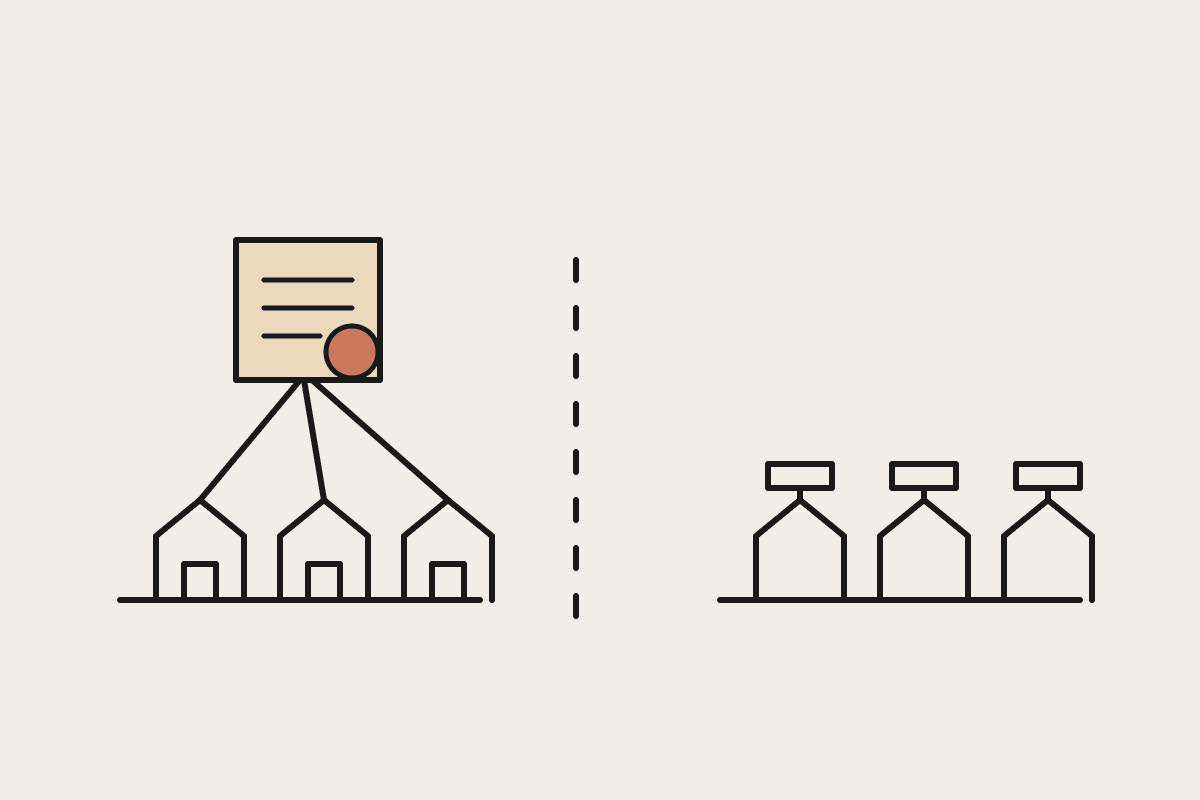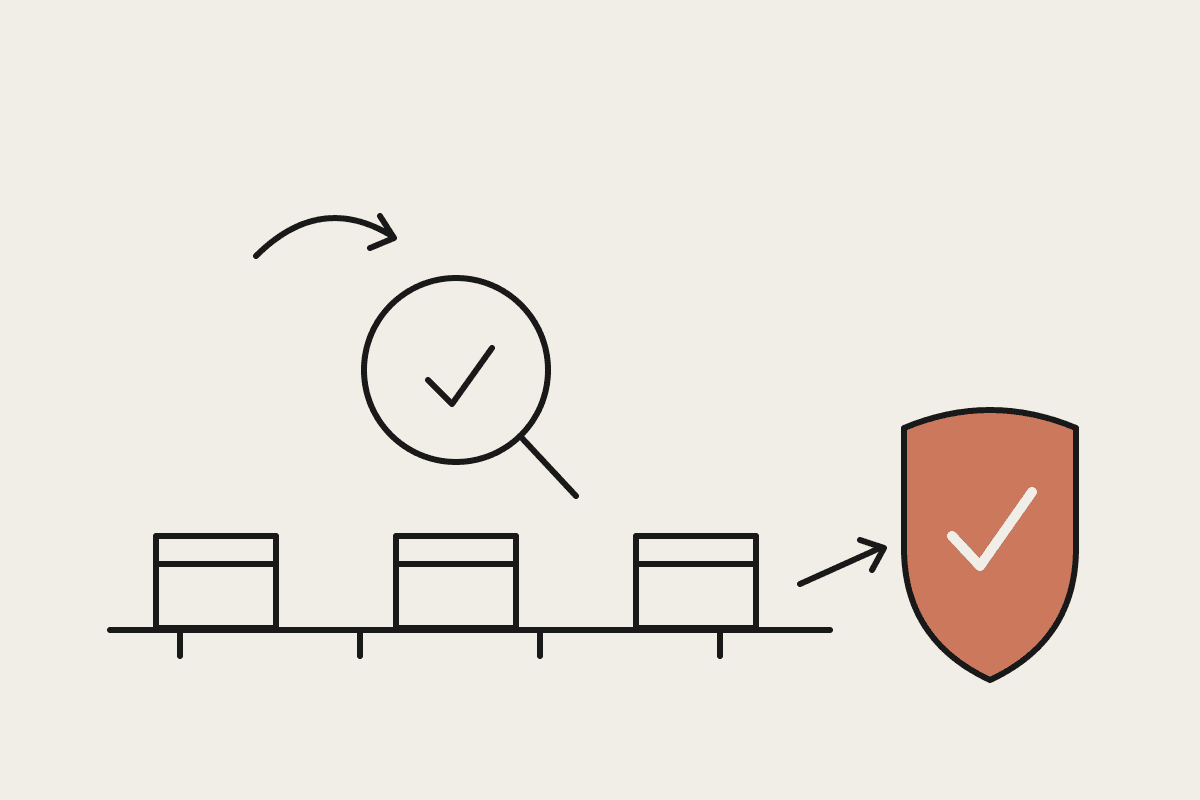
Self-managed super fund work runs on trust and on paper trails. Every contribution, pension payment, and asset revaluation has to be recorded, categorised, and later stood up in front of an auditor who is required to be independent. For a practice carrying 80 or 120 funds, the admin around that record-keeping quietly eats more hours than the advice itself. Claude can take a large share of that load without touching the parts a registered SMSF auditor must sign.
This guide is written for Australian accountants and administrators who run SMSF compliance year after year. It covers where an assistant like Claude genuinely helps, where it must stay out of the way, and how to set it up so it strengthens your audit trail rather than muddying it.
The admin load hiding inside every fund
Most of the SMSF year is not judgement. It is collection, matching, and chasing. The genuinely skilled work sits at the edges: the contribution cap analysis, the pension minimum, the in-house asset test, the trustee sign-off. Between those edges is a long middle of repetitive tasks that any senior person resents doing but cannot fully delegate to a junior without review.
Reconciling bank feeds against the general ledger and flagging transactions that lack a supporting document.
Drafting the year-end query list for each trustee: missing dividend statements, unexplained transfers, property expenses without invoices.
Preparing the audit pack cover note and index so the auditor is not hunting for the market valuation evidence.
Turning ATO and SIS Act rule changes into a plain checklist your team actually applies during processing.
None of that requires an auditor's sign-off. All of it takes time, and time is the whole cost base of an accounting practice.
Where Claude helps, and where it must not
The useful line to hold is simple: Claude drafts and organises; a qualified person decides and signs. Under the SIS Act, an approved SMSF auditor must form an independent opinion, and that independence is compromised if an automated tool is treated as doing the audit. So keep Claude on the administrator's side of the fence, not the auditor's.
On the admin side, the wins are concrete. Claude can read a year of transaction descriptions and group them into likely categories with a note on each one it is unsure about. It can compare this year's balances against last year's and write a first-pass variance commentary for the accountant to check. It can take your firm's standard trustee query letter and produce a tailored version per fund in minutes rather than an afternoon.
What it must not do is make the compliance call. Whether a fund breached the in-house asset rule, whether a related-party transaction was at arm's length, whether a contribution should be reported as concessional: those are conclusions a person owns. Claude gives you the working; you give the answer.
Building an audit trail Claude strengthens
An assistant is only safe in compliance work if its output can itself be traced. The trap to avoid is a black box that produces categorisations no one can explain in June when the auditor asks why a $45,000 payment was treated as a pension rather than a lump sum.
Three habits keep the trail clean. First, ask Claude to cite the source document behind every categorisation, so each line points back to a bank statement, invoice, or minute. Second, keep its draft and the reviewer's changes as separate records, so an auditor can see the human judgement applied on top. Third, log the prompt and the fund data version alongside the output, the same way you would keep a working paper. Done this way, Claude adds a layer of documented reasoning to the file instead of removing one.
Australian firms also have to think about where fund data sits. SMSF records contain member names, tax file numbers, and balances, which fall squarely under the Privacy Act. Run this work in an environment your firm controls, restrict what member data is shared, and treat the assistant's access the same way you treat a staff member's.
What this is worth in AUD
Take a practice with 100 funds and assume the admin middle of each fund runs about six hours a year: reconciliation cleanup, query drafting, pack preparation, variance notes. At a loaded cost of $85 an hour, that is roughly $51,000 of internal time before an auditor sees a thing.
If Claude takes a conservative third of that middle work off senior staff, the practice frees around $17,000 a year and, more importantly, moves those hours onto advice and new-fund onboarding that actually bills. The gain is not that funds get processed by a machine. It is that your best people stop spending March and April on data hygiene.
Most Australian SMSF practices we speak with start narrow: one repetitive task, one Claude workflow, measured against the manual version for a month. If you want to map which of your fund-admin steps are the safest first candidates, you can book a short planning session and we will work through it with you.