A Melbourne accounting firm recently had an AI assistant draft a client email quoting the wrong GST treatment on a transaction. The client acted on it, lodged an incorrect activity statement, and asked who was going to cover the cost of fixing it. The firm's professional indemnity insurer came back with a question nobody had prepared for: did a qualified person review the advice before it went out, or did the agent send it unsupervised?
This isn't limited to accounting. Any Australian practice using Claude, or a similar agent, to draft advice, contracts, or client communications is exposed to the same question the moment something goes wrong: was this a professional service performed by the firm, or a tool malfunction the policy was never written to touch?
What your PI policy was actually written to cover
Professional indemnity insurance is built around a simple idea: a negligent act, error, or omission committed by you or your employees in the course of providing a professional service. Most policy wordings still in force across Australia were drafted years before agentic AI tools were doing first drafts of client advice, so the definitions assume a human performed the work. When an insurer reads a claim file and sees an AI tool involved in producing the advice, the first question is whether that output even falls within the policy's definition of a covered professional service.
Where AI agents open up genuine gaps
Autonomous action wording. If a policy requires the service to be performed by "you" or a named employee, work an agent completed and sent without sign-off can sit outside that definition entirely.
Technology error and omission carve-outs. Some insurers exclude loss arising from software or system failure, and treat a language model's output as a product malfunction rather than professional advice.
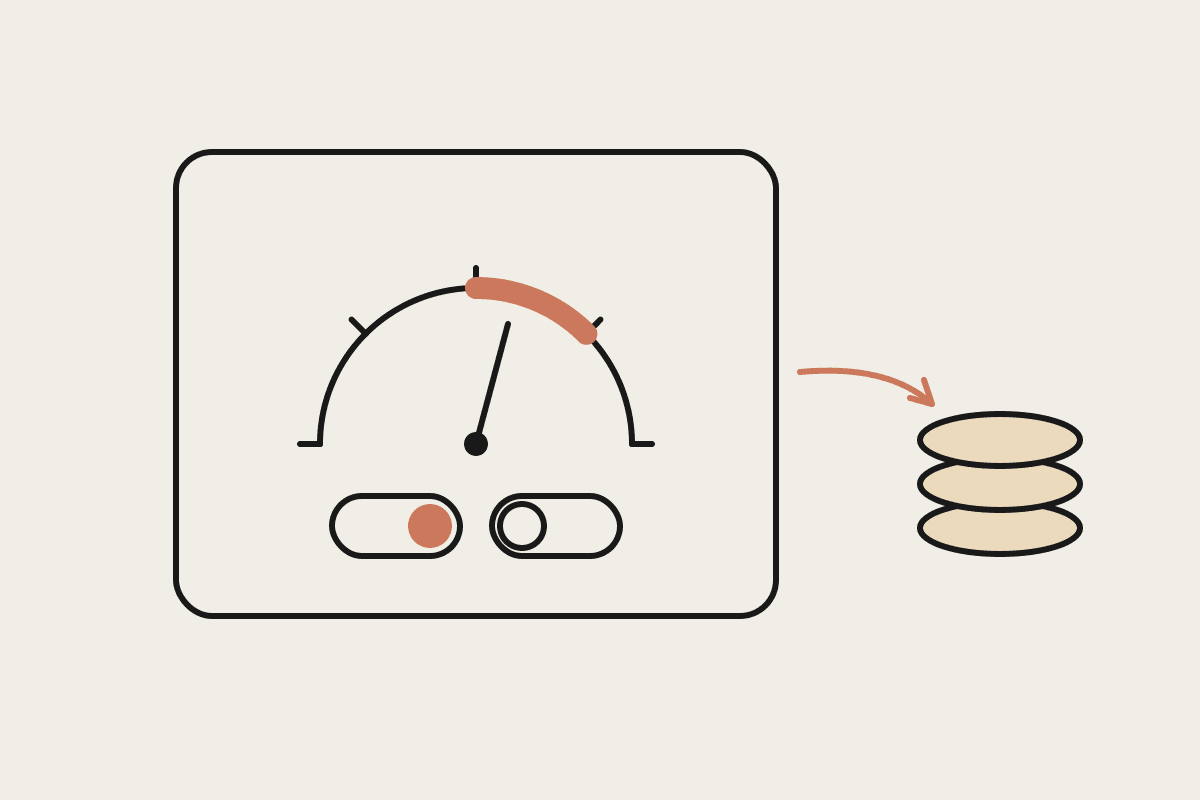
Sub-limits for automated decisions. It's increasingly common for a cyber or tech endorsement to cap AI-related claims at a fraction of the primary limit, for example $250,000 against a $2 million policy.
Disclosure gaps. Not declaring which AI tools are used in client work on your renewal proposal can void cover for a related claim later, even where the firm wasn't at fault.
Chain-of-custody problems. When an agent pulls from several systems to produce an answer, tracing exactly which output caused the loss can be difficult, and insurers may dispute causation entirely rather than pay out.
What Australian insurers are asking for in 2026
Brokers are now sending supplementary AI-use questionnaires alongside standard renewal forms. Underwriters want to know which tools are in use, whether client-facing output gets a human review before it goes out, what client data is fed into those tools under the Privacy Act, and whether there's an audit trail showing who approved what. Firms holding an AFSL face extra scrutiny here, and ASIC has been explicit that AI governance sits within existing licensee obligations rather than as a separate carve-out. A mid-size Sydney advisory firm we spoke with saw its renewal premium quoted at $18,500, up from $11,200 the year before, once the insurer learned Claude was being used to draft client-facing analysis without a documented review step. The increase wasn't for using AI. It was for using it without a paper trail.
We've also seen the reverse. A Brisbane bookkeeping practice added a documented review workflow, sign-off screenshots, and a short internal AI-use policy to its renewal submission, and its premium held flat at $9,400 despite adding two new AI tools that year. Insurers aren't penalising AI use itself. They're penalising the absence of a paper trail that lets them price the risk properly.
What happens when a claim actually lands
When a claim does land, the sequence matters. Insurers typically ask for the prompt history, the draft the agent produced, any edits a human made before it reached the client, and the approval trail showing who signed off and when. Firms that can produce this within a day tend to settle faster and keep legal costs down. Firms that can't are often asked to prove a human was involved at all, a process that can take weeks and push defence costs well past the value of the original claim.
Five questions to ask before your next renewal
Does the policy define professional services broadly enough to include AI-assisted drafting, or only work performed personally by a named individual?
Is there a specific technology errors and omissions exclusion, and does the wording capture generative AI outputs specifically?
Is there a sub-limit for claims involving automated or AI-assisted work, and how does it compare with the primary limit?
Has your broker disclosed the full AI tool stack, including Claude, Copilot, or any custom agents, on the current proposal form?
What does the policy require in terms of human review before an AI-drafted output reaches a client?
A practical governance checklist
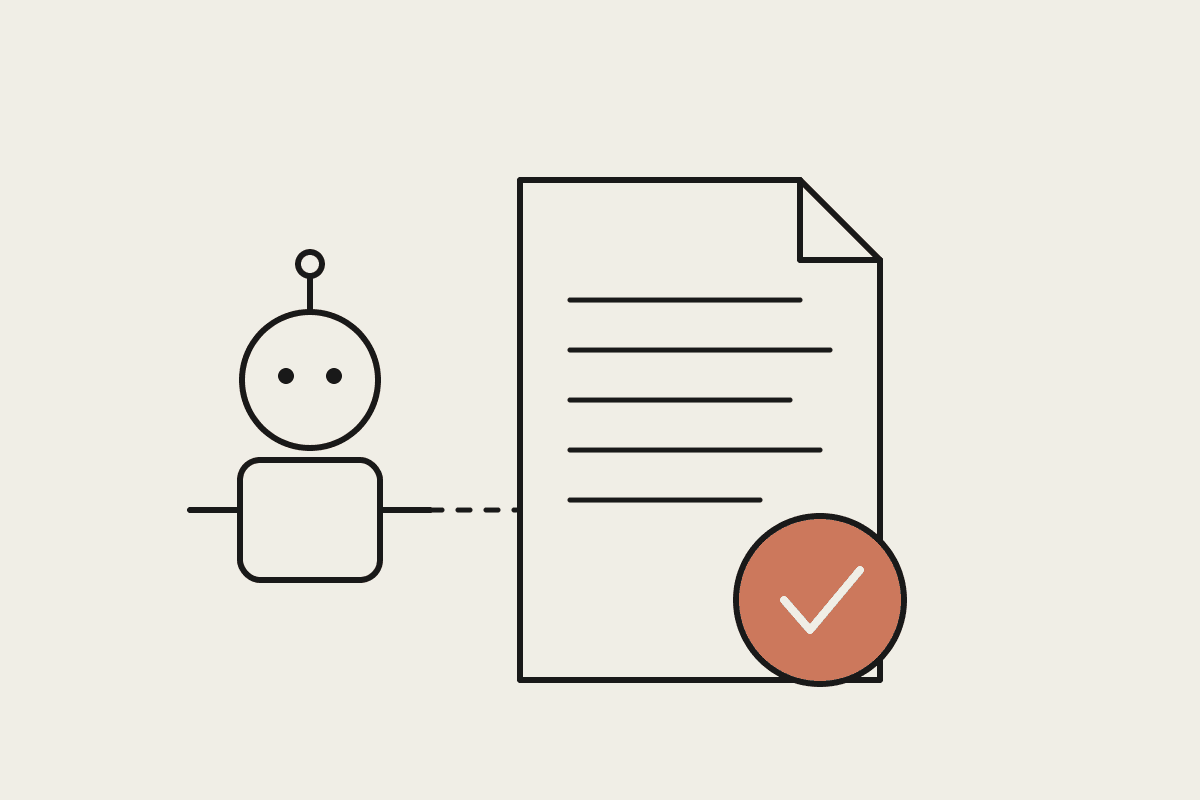
Keep a written sign-off step for anything AI-drafted before it reaches a client, and log who approved it and when.
Update your insurance disclosure the moment you adopt a new AI tool rather than waiting for the next renewal date.
Ask your broker for the exact wording change in writing when a technology endorsement is added, not just a verbal assurance.
Set a dollar threshold above which AI-assisted advice always gets a second human review before it's sent, and put it in your procedures manual.
None of this is a reason to step back from using AI agents in client work. It's a reason to treat the insurance conversation as part of the rollout, not an afterthought once something has already gone wrong. If you want a hand mapping where your Claude workflows create disclosure obligations, or reviewing a renewal questionnaire alongside your broker, book a session and we'll work through it with you.