Melbourne accounting firms running mid-tier and boutique practices face the same question every quarter: how do we put AI in front of the whole team without disrupting partner sign-off or the client relationship? The answer that holds up in practice is a phased rollout built around one service line at a time, not a big-bang adoption across the firm.
The numbers justify the effort. For a 40-person Melbourne firm billing $9M annually, Claude applied across the full team typically returns 18 to 28 percent of senior accountant capacity. That is roughly $1.4M to $2.2M of recovered annual fee capacity, against a first-year program cost that usually lands between $200,000 and $500,000.
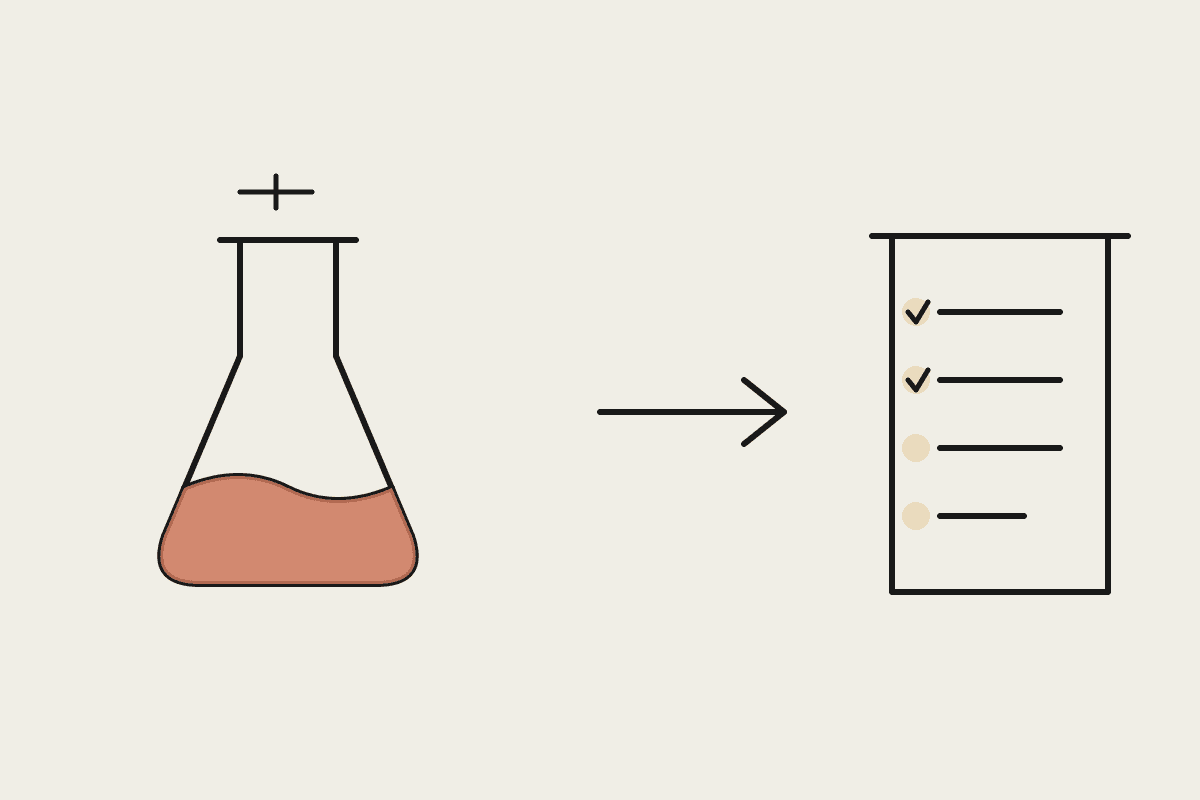
Phase 1: pilot in one service line
The right starting point is one well-understood service line. For most Melbourne firms in 2026 that means business advisory or compliance work, where the documents are structured, the review steps are known, and the partners can judge output quality quickly. A pilot built on Claude works best when it:
Recruits 3 to 5 accountants and 2 partners who volunteered, rather than staff who were assigned
Runs for 60 to 90 days with a measurement framework agreed before the first prompt is written
Tracks specific time savings per engagement type alongside the quality outcomes partners actually care about
Produces a partner-ready evaluation at the end, built on real engagement examples rather than vendor benchmarks
The pilot succeeds when the partners who took part become advocates for broader rollout. If they stay neutral, the pilot has not finished its job, however good the time-saving numbers look.
Phase 2: service-line rollout
Once the pilot holds up, the rollout extends to the rest of that service line. Discipline matters more than speed here:
The partner who championed the pilot leads the rollout, because adoption follows partner behaviour
Training is hands-on and embedded in live client work, not a one-off lunch-and-learn
One senior accountant per team owns the Claude workflow and shares the patterns that work
The firm's quality and risk function reviews and approves each workflow before it touches a client deliverable
This phase typically runs another 90 to 120 days and reaches 70 to 85 percent adoption within the service line. Firms that skip the workflow review step usually pay for it later, when a partner is asked to sign work they cannot trace.
Phase 3: cross-line expansion
The third phase extends to other service lines: audit, tax, and advisory. Each line gets its own short pilot and its own champion partner. The patterns from the first line travel, but the workflows have to be adapted to each line's documents, deadlines, and review chains.
What does not work in cross-line expansion:
Copy-pasting the pilot line's workflow into a new service line without adaptation
Forcing partners who never opted in to use the tooling on a deadline
Running several parallel pilots at once without enough partner sponsorship to go around
Skipping the quality review for each new service line because the first one passed
Practice management, APES 110, and the Privacy Act
Australian accounting firms operate under APES 110 and Tax Practitioners Board requirements, and AI does not change any of that. The firm's quality review system must absorb Claude-assisted work the same way it absorbs human work. Melbourne firms running this rollout in 2026 add four specific management responsibilities:
A firm-wide AI policy with clear acceptable-use guidance, owned by the management committee rather than IT
Quality review of any AI-assisted client deliverable before it leaves the firm
Training records for every staff member using Claude workflows
An audit trail for any AI-assisted advice a partner signs
Client data handling deserves equal attention. The Privacy Act applies to client records moving through any AI workflow, so firms should confirm data residency and retention positions with their provider before the pilot starts, not after. Claude's commercial terms, which exclude training on customer data, are the kind of detail partners ask about in the first meeting, so have the answer ready.
Cost, timeline, and what to expect in year one
A working practice-wide rollout for a 40-person Melbourne firm typically costs $200,000 to $500,000 AUD across the year, covering consulting, tooling, and training. Recovered capacity in year one usually exceeds that cost by three to six times, and the gap widens in year two once workflows stop changing weekly. The full journey, pilot through cross-line expansion, runs nine to twelve months for most firms.
The firms that get there fastest treat the rollout as a partner-led change program with software attached, rather than a software project with training attached.
If your firm is sizing a rollout, book a practice rollout consult and we will walk through the playbook against your service lines.