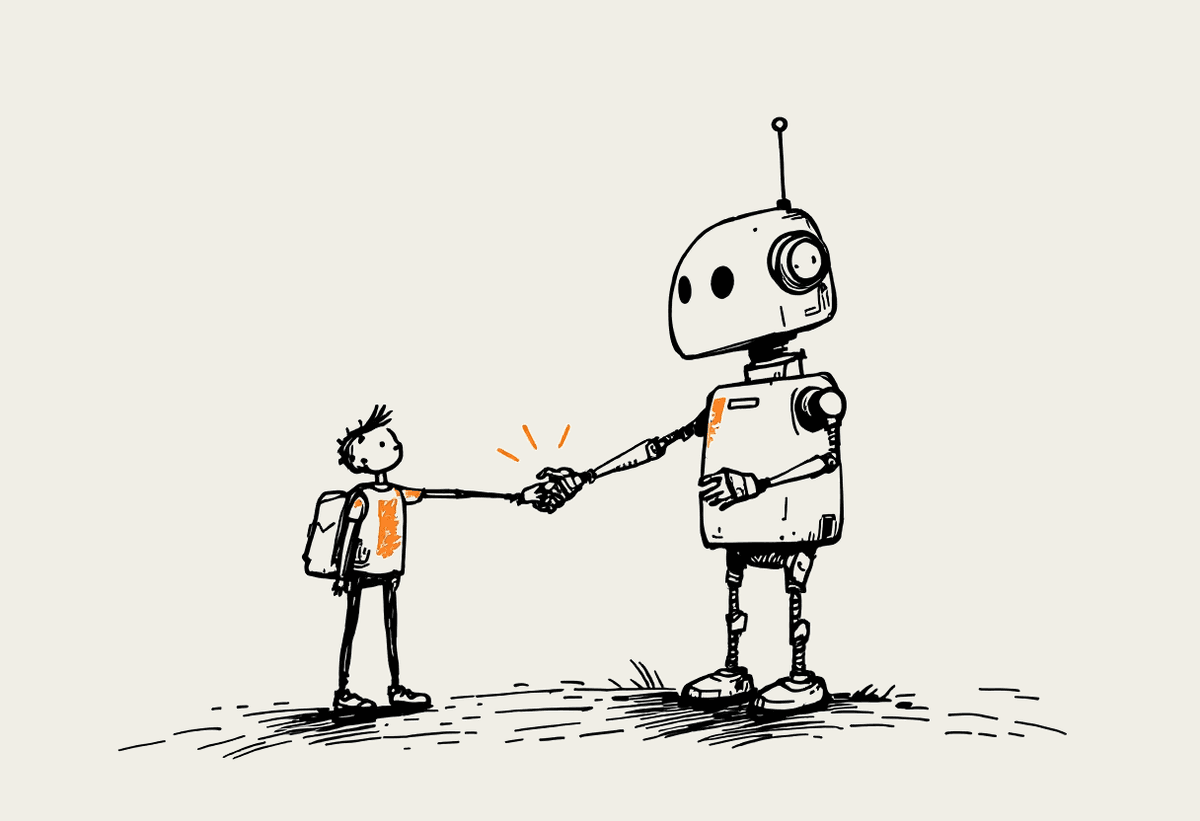
Australian B2B sales teams shopping for AI outbound tools in 2026 hear the same pitch everywhere: ten times the meetings booked, on autopilot. The reality is less kind. AI-driven outbound, badly applied, burns pipeline faster than it builds it. Applied with restraint, it hands SDRs back the hours they currently lose to research and gives every message a sharper opening line. The difference between those two outcomes is mostly about where you put the human.
The stakes are easy to size. A ten-SDR Australian B2B team at $95,000 a head plus on-costs runs about $1.4M a year. A 25 percent lift in qualified meeting conversion from well-designed AI assistance returns more than $350,000 of value annually. A badly designed program can cut reply rates by 40 percent and mark the sending domain as a spam source, and that damage outlasts the tool subscription that caused it.
The Australian market compounds the risk. Buyer pools in Sydney, Melbourne, and Brisbane are small enough that reputations travel. A burned segment in a niche like mid-market logistics software is not a statistic, it is most of the addressable market. Restraint here is not a compliance posture, it is pipeline protection.
Where AI genuinely helps
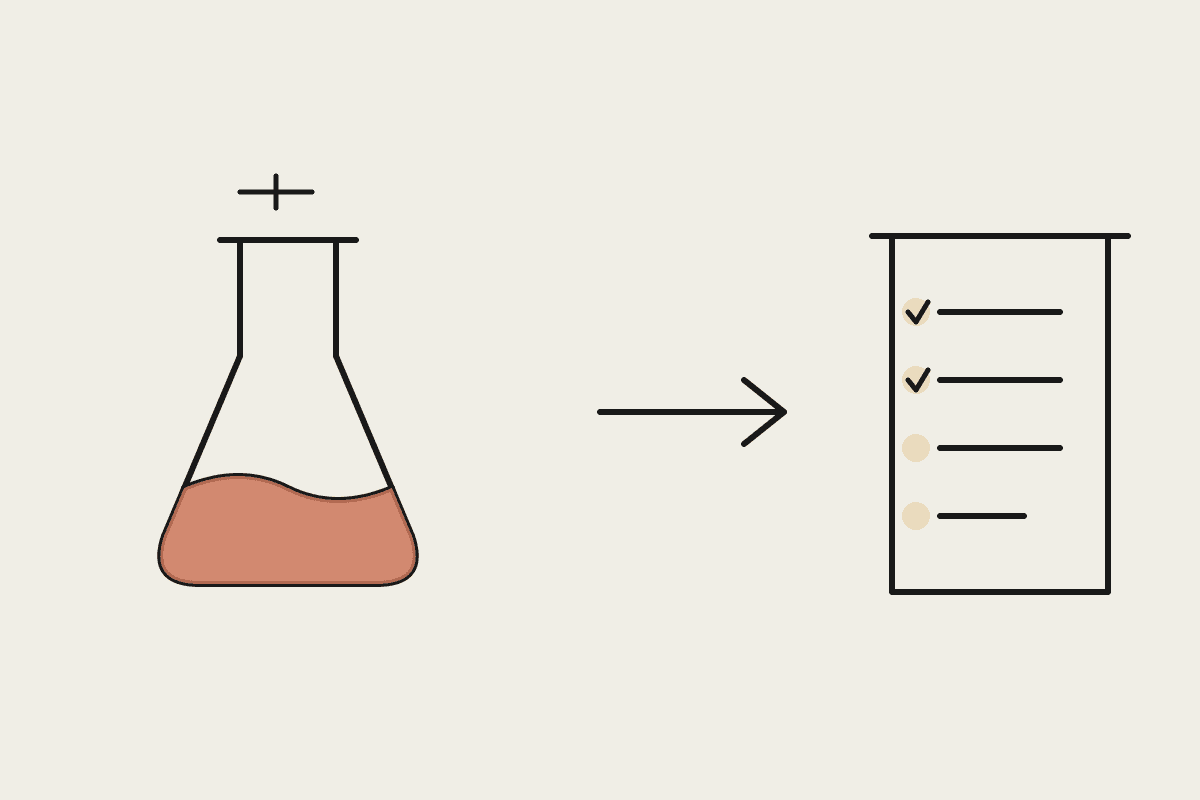
The useful work sits before any message is sent. Claude handles the research layer of outbound well: it reads public sources, summarises what matters, and drafts in a voice an SDR can own. The tasks worth handing over:
Account research and scoring from public sources such as LinkedIn, company websites, and ASIC filings
Context summaries for each prospect covering recent news, hiring signals, and funding events
First-draft emails written in the SDR's voice, built on message patterns the team has already tested
Reply triage that sorts the inbox by intent so the SDR answers warm responses first
Each of these compresses roughly 90 minutes of manual work into 15, and the SDR's judgement still leads every send. None of it requires giving a model the keys to the send button. It requires a research workflow with the SDR in the loop, and that is a build measured in weeks, not quarters.
Where AI burns pipeline
The failure cases share one feature: they remove the human from the final step.
Mass-personalised emails that read identical at scale and walk straight into spam filters
Auto-sent first-touch sequences that go out without SDR review
AI-generated LinkedIn voice notes that sound off-brand and erode trust on first contact
Automated cold calling that breaches the Spam Act or the Do Not Call Register
Australian B2B buyers detect templated AI outreach quickly, and they remember the sender. The observed penalty is a lasting decline in response rates that takes 18 to 24 months to repair. No subscription saving is worth that trade.
What a working stack looks like
Teams getting the maths right in 2026 run a consistent pattern:
Claude does the research, the context summary, and the first draft
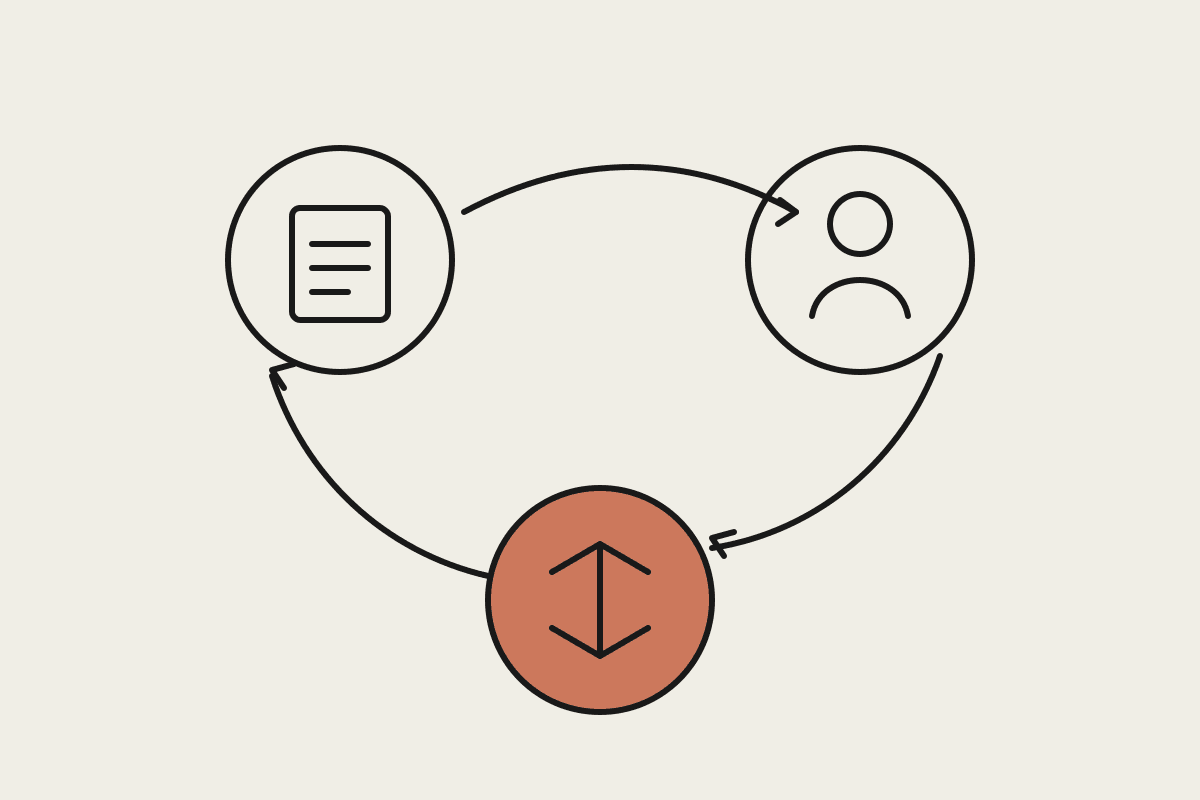
The SDR reviews, edits, and personally sends every message
Personalisation rests on two or three specific details pulled from the research, not a mail-merge token
Volume per SDR stays at 30 to 60 considered messages a day rather than 300 automated ones
This profile converts 20 to 40 percent better than pure-human outbound, because the SDR spends time on judgement calls instead of tab-switching, and 60 to 80 percent better than fully automated outbound, because the messages still read as written by a person who paid attention. The lift comes from better-informed humans, not from more volume.
Spam Act and DNCR compliance still apply
Adding AI to the stack changes nothing about Australian law. The Spam Act 2003, the Telecommunications Act, and the Do Not Call Register govern commercial outreach whether a human or a model wrote the message. The basics that audits most often catch missing:
A functioning unsubscribe in every commercial email, honoured within five business days
Clear sender identification in every message
A documented consent or inferred-consent basis for each recipient
A DNCR wash before any cold-call campaign
ACMA has fined Australian companies well into six figures for Spam Act breaches, and automation multiplies the volume of any mistake you make. Build the compliance checks into the workflow itself, not into a quarterly review.
The practical way to hold that line is to encode it. A Claude workflow built as a governed skill can carry the compliance rules with it: the unsubscribe footer is part of the template, the sender identification is fixed, and the draft never leaves the SDR's review queue without a human click. That turns compliance from a training problem into a property of the system, which is the only version that survives staff turnover and quarterly pressure on pipeline numbers.
Measure it or it drifts
Without measurement an AI outbound program degrades quietly. Four numbers keep it honest:
Reply rate per touch type, split AI-assisted versus pure-human
Negative reply rate: unsubscribes, complaints, and spam reports
Meeting-to-opportunity conversion further down the funnel
SDR satisfaction with the tools they are asked to use daily
If the AI-assisted cohort underperforms the human baseline for two consecutive months, the program needs redesign, not more volume.
Where to start
The sensible first project for an Australian sales team is small: one SDR pod, Claude doing research and drafts through a governed workflow, every send still human. Prove the conversion lift on 90 days of data before scaling it across the floor. If you are sizing an AI outbound stack and want a second opinion on where the line sits for your team, book a GTM consult.