Sydney's mid-market manufacturers are sitting on a quiet asset: years of PLC and SCADA data that almost nobody reads. Every production line already logs temperatures, vibration signatures, cycle times and fault codes around the clock. Most of it lands in a historian or a weekly CSV export and stays there. The plants pulling ahead in 2026 are the ones treating that archive as raw material for predictive insight, and they are doing it without hiring a single data scientist.
The numbers are worth pausing on. For a Sydney manufacturer at $50M revenue carrying $15M of fully loaded plant operations cost, an effective predictive insights programme typically returns 4 to 9 percent in operational savings, somewhere between $600,000 and $1.4M annually. Against a setup cost of $150,000 to $500,000 AUD, the payback maths is rarely the hard part. The hard part is scoping the first project tightly enough that it lands inside a quarter instead of sprawling into a transformation programme.
What a PLC log-to-insight workflow actually looks like
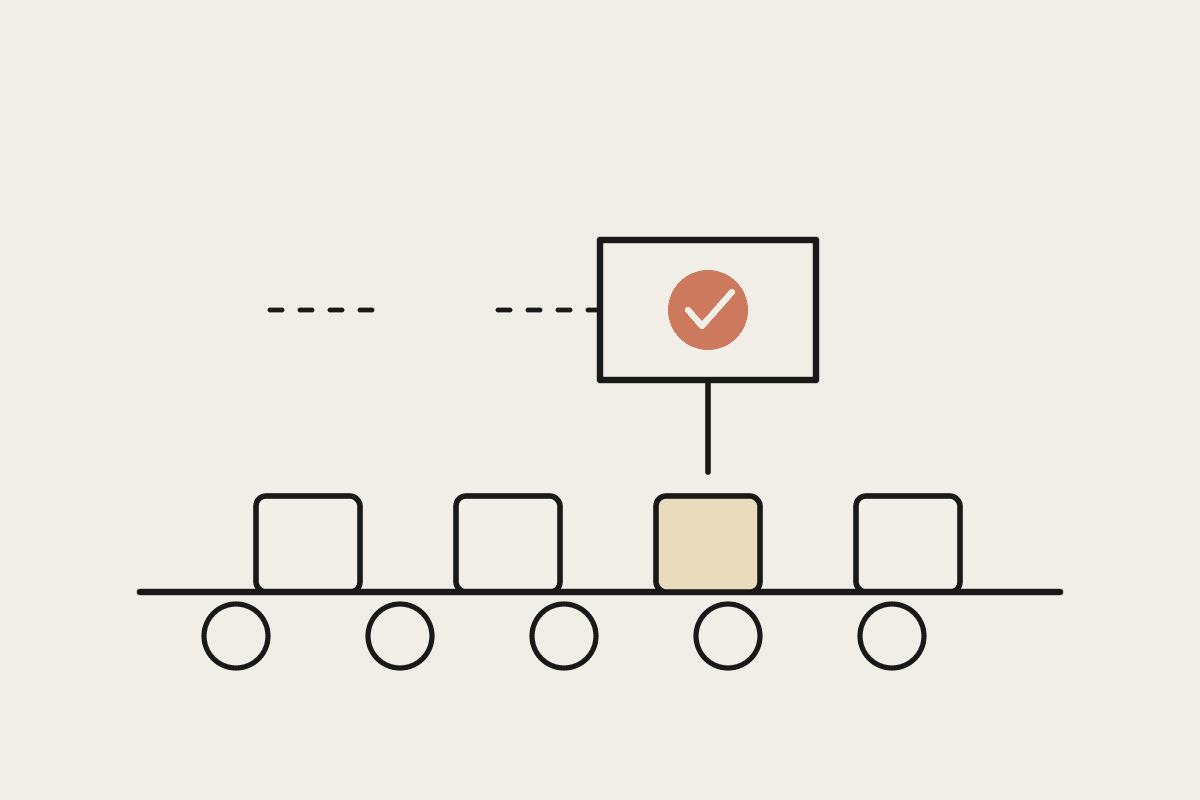
The pattern that works for mid-market plants is short and unglamorous. Four moving parts, most of which you already own:
Stream PLC and SCADA data into a cloud or on-premises store, usually straight from the historian you already run
Apply pre-trained anomaly detection models across each asset class rather than training your own from scratch
Surface anomalies with a likely failure mode and a recommended action attached, not just a red light
Feed those alerts into the CMMS workflow the maintenance team already uses, so nothing new needs to be checked
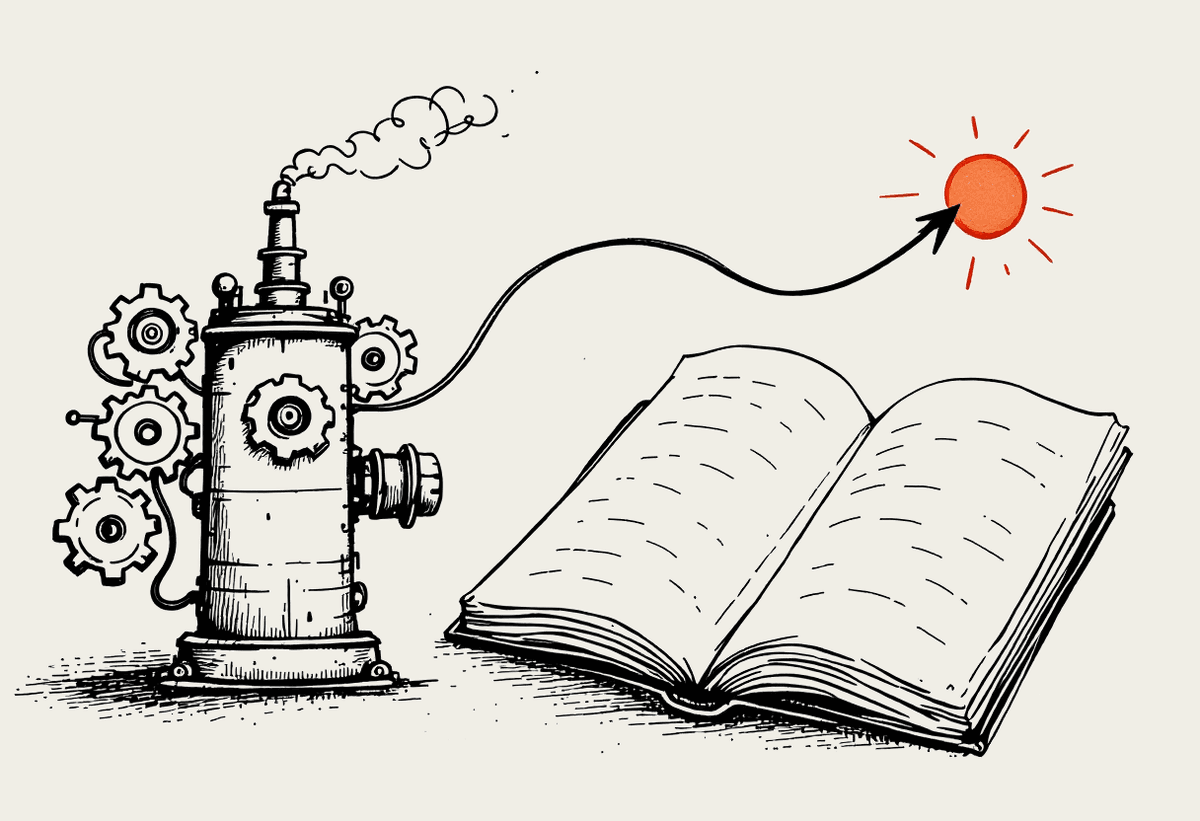
The maintenance team owns the response. The model surfaces the signal. Nobody on the payroll needs a PhD. Where Claude earns its place in this stack is the language layer: it reads the anomaly output and the maintenance history together and answers in plain English. A fitter can ask what changed on line three since the last service and get an answer grounded in the actual logs, instead of paging through a dashboard built for someone else's job.
Where the value lands first
Five applications consistently produce the best returns for Sydney mid-market plants:
Predictive maintenance on critical assets with long replacement lead times, where an unplanned failure means weeks of downtime
Quality drift detection from production line data, catching slow degradation before it becomes a customer complaint
Energy consumption optimisation across the plant, a direct saving with NSW industrial power prices where they are
Yield analysis across batch and continuous processes
Safety pattern detection from incident and near-miss records, which compounds with the compliance work below
Each of these is a 12 to 20 week project, not a multi-year programme. Pick one asset class on one line, prove the alert-to-action loop works, then widen. Plants that start with all five at once tend to finish none of them.
Vendor platform vs custom build, and where Claude fits
For the core anomaly detection, vendor platforms such as Senseye, Augury, Falkonry and AspenTech, plus the Microsoft and AWS industrial offerings, almost always beat a custom build at this scale. They ship pre-trained models for common asset classes, reach value in 8 to 16 weeks instead of 9 to 18 months, and the vendor carries model retraining and platform updates. Custom builds only make sense for genuinely unusual processes with no vendor coverage.
What the vendors leave on the table is everything written in words. That is the layer worth building, and it is where Claude fits: drafting maintenance reports from work-order data, summarising shift handovers, turning a month of fault history into a root-cause narrative the operations manager can take to the board, and answering plain-English questions against the logs. For a typical plant this runs $2,000 to $6,000 a month in inference cost and replaces analyst hours that were never available in the first place.
Workforce uplift, not replacement
The maintenance and operations teams need uplift, and the budget line is small:
Fitter and electrician training on signal interpretation, two to three days
Operations manager training on the platform's planning view, about a week
A nominated platform champion at 0.2 FTE for the first 90 days
Vendor support through the first quarter, then transition to the internal champion
This step is not optional. Plants that skip the training line end up with a platform nobody opens by month four, and the renewal conversation becomes an argument about sunk cost rather than savings.
Compliance and safety integration
Sydney plants operate under WHS NSW, federal product safety frameworks and industry-specific standards, and an AI workflow has to live inside that reality rather than beside it. The integration points that matter:
Anomaly alerts route through the existing safety-critical alarm system, never a parallel channel people can ignore
Work orders land in the CMMS the team actually uses
Every AI-suggested action on a safety-critical decision keeps an audit trail
There is a clear escalation path for the moments the model is uncertain
Cost, timeline, and the first 90 days
A working predictive insights workflow for a Sydney mid-market manufacturer typically costs $150,000 to $500,000 AUD to stand up and $40,000 to $150,000 a year to operate, with setup running 12 to 20 weeks. The first 90 days should look boring: one asset class, one production line, alerts wired into the existing CMMS, and the maintenance crew trained before go-live. If the first project cannot show a prevented failure or a measurable energy saving within two quarters, the scope was wrong, not the technology.
If your plant is sizing a predictive insights build and wants the scoping done by people who work with Claude every day, book a pilot scoping conversation and bring your worst-behaving asset to the call.