Australian software teams are generating more of their test suites with AI than ever, and most of them have hit the same trust problem. The tests pass. The coverage report looks healthy. Production breaks anyway, because the model wrote tests that exercise the happy path and skip the failure modes that actually matter. Claude Code can draft a test suite for a 50-file pull request in minutes, and that speed is exactly why discipline matters: test generation earns its keep when the team treats the output as a first draft, not a finishing line.
The capacity argument is real. For a 25-engineer Sydney SaaS team, test writing typically absorbs 18 to 25 per cent of total engineering hours. AI test generation done well returns 40 to 60 per cent of that, and at a fully loaded cost of $200,000 per engineer that is $400,000 to $600,000 of recovered capacity per year. The four patterns below are what separate teams that bank that figure from teams that quietly accumulate a flaky, low-value suite.
Pattern 1: Generate, never auto-merge
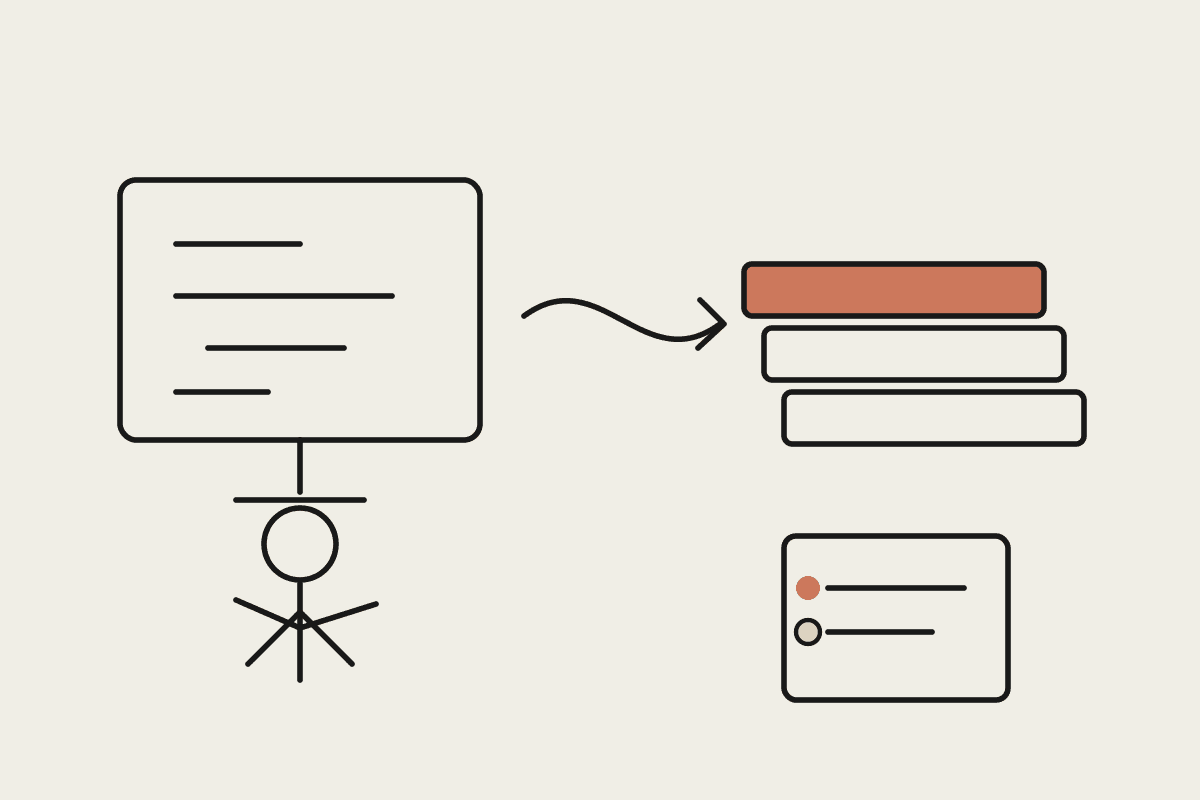
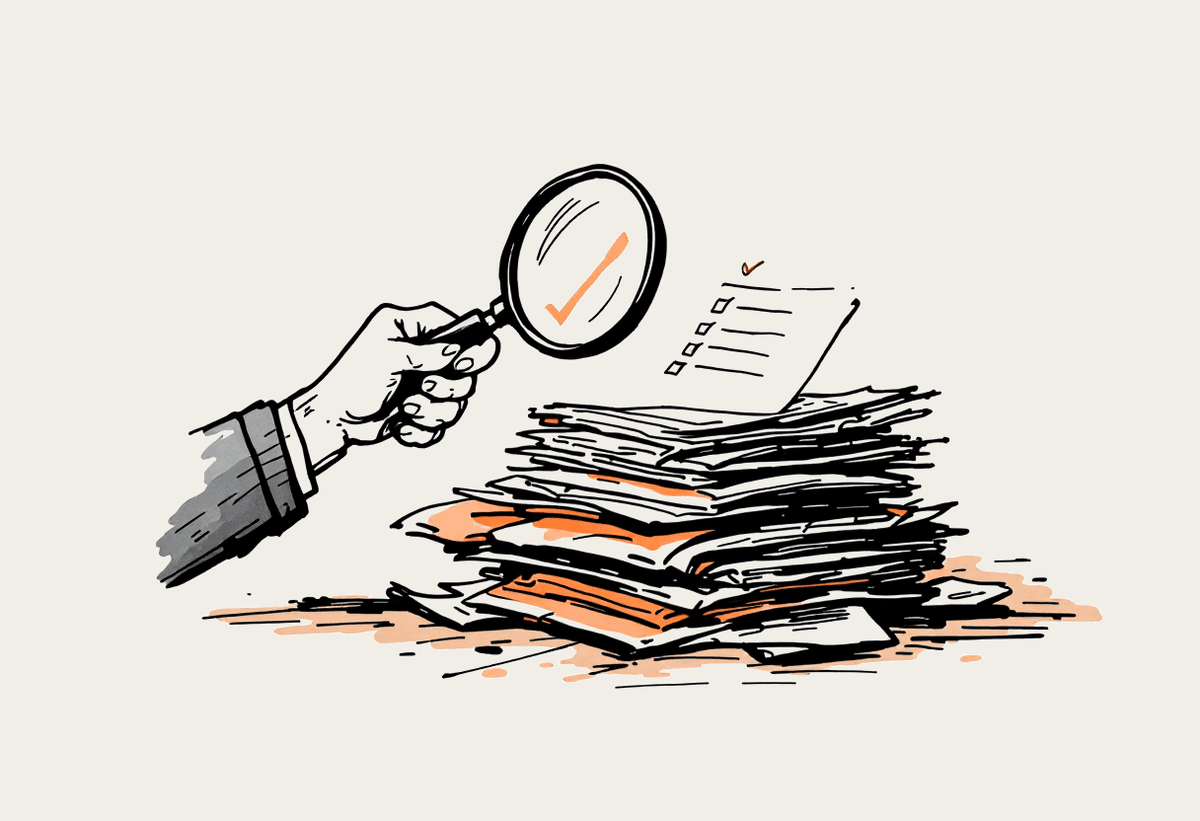
The single most important rule is that every AI-generated test gets a human review before it lands. The workflow is simple: Claude generates a draft test file and opens a pull request, then an engineer reviews, refines, and merges. The generator does the typing; the engineer keeps the judgement.
Review catches the failure modes that auto-merge waves through:
Tests that exercise the happy path but never touch the error path
Tests that mock so much they verify nothing about real behaviour
Tests that pass against the current implementation and quietly lock in an existing bug
Tests that drift from the team's naming and structure conventions
Auto-merging AI tests pushes coverage numbers up and quality down. The review step costs minutes per pull request and is the difference between a safety net and coverage theatre.
Pattern 2: Mutation testing is the real quality bar
Coverage percentage lies about test quality. A test that hits every line but asserts nothing meaningful reports 100 per cent coverage and delivers zero value. Mutation testing fixes the incentive: deliberately change the code, then verify that at least one test fails. If nothing fails, the suite was never protecting you in the first place.
A working mutation setup for AI-generated tests looks like this:
Run mutation testing on every AI-generated test file before it merges
Require a minimum mutation kill rate, typically 70 to 85 per cent
Reject test files that pass coverage but miss the mutation bar
Track mutation kill rate as a team metric over time, not a one-off exercise
Pattern 3: Flake detection from day one
AI-generated tests sometimes pass on the first run and fail intermittently afterwards, usually because the model assumed a stable ordering, a fixed clock, or a quiet network. Flake detection needs to be in place before the first generated test merges, not bolted on after the suite has already degraded.
Re-run every new test five times before it merges
Quarantine any test that fails one run in five
Surface flake rates as a daily metric the whole team can see
Auto-create a ticket for any test that flakes more than three times in a week
Pattern 4: Scope generation to the change boundary
The generator should know the boundary of the change it is testing. Asking Claude to generate tests for the whole codebase wastes tokens and produces shallow assertions. Pointing it at the diff plus its transitive dependencies produces tests that actually defend the change being shipped.
Tests for new functions live in the same file or a sibling test file
Tests for changed functions extend the existing suite rather than replacing it
Tests for shared utilities need explicit sign-off from the code owner
Tests that touch external services go through the team's existing mock layer
What it costs to run
For a team generating tests on every pull request, API spend typically lands between $40 and $120 per developer per month in AUD. Against the recovered engineering time, the token bill is a rounding error. The real cost is process: the review habit, the mutation bar, and the flake quarantine all need an owner, and teams that skip the ownership question are the ones writing the AI-tests-broke-production postmortem six months later.
Where to start
Pick one service, not the whole codebase. Run pattern one and pattern three for a fortnight, then add the mutation bar once the team trusts the review rhythm. Most Australian teams see the suite stabilise within a month, and the engineers who were most sceptical tend to become the ones extending the generation prompts.
Two guardrails matter in regulated environments: keep production data out of generation prompts, since synthetic fixtures satisfy Privacy Act obligations and APRA expectations without slowing the loop, and log which tests were machine-generated so reviewers can trace provenance later.
If your team wants help designing an AI test generation workflow that holds up in production, book a QA pilot with Automata AI and we will map these patterns to your stack.