Most Australian teams have now sat through at least one AI training session. Far fewer have changed how they actually work because of it. The gap is rarely the tool. Claude is not hard to open, and the first useful result usually arrives inside a minute. The gap is the format. A one-hour webinar and a slide deck produce nodding heads and no new habits. This is a practical look at which training formats shift behaviour, and how to sequence them so a $12,000 training budget turns into work that looks different a month later.
Why the standard session fails
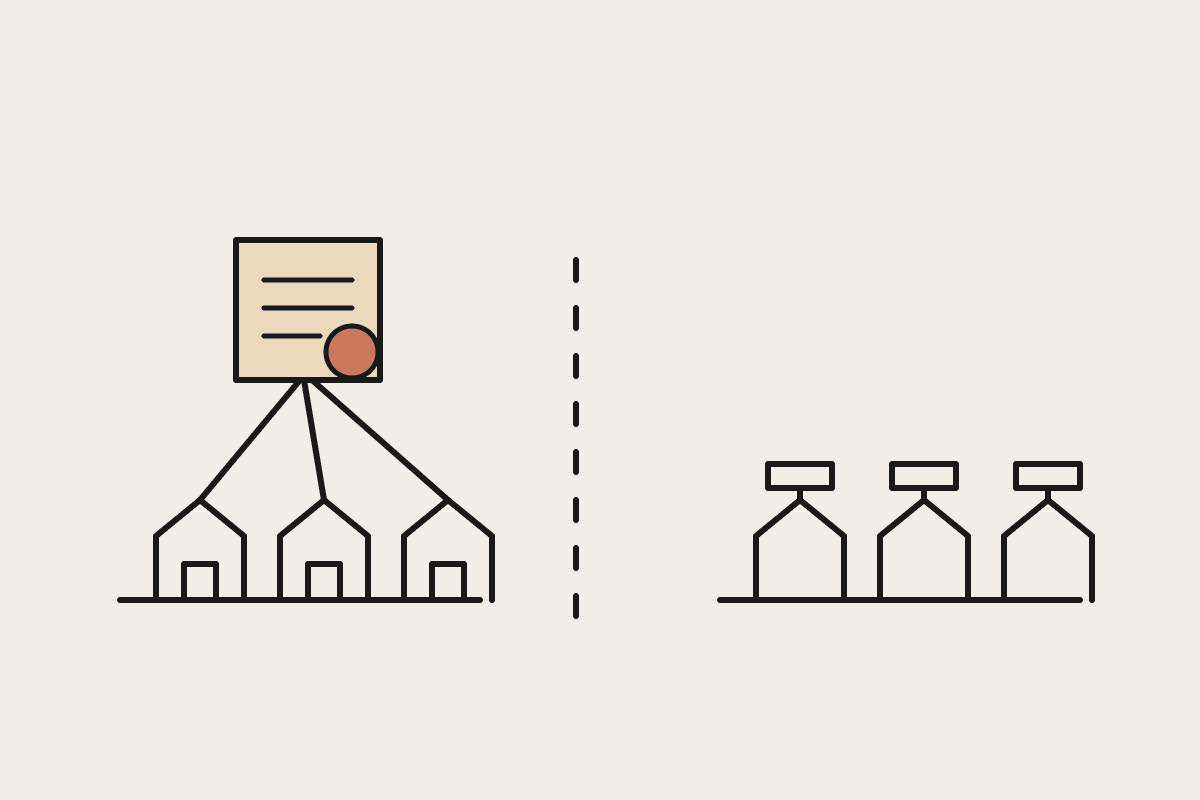
A typical rollout runs like this: a vendor delivers a 90-minute demo, everyone watches Claude summarise a sample document, and the recording lands in a shared drive nobody reopens. Two weeks later the usage data shows a small group of enthusiasts and a long tail of people who logged in once and never came back. The content was fine. The format did almost nothing.
Three things break the standard session. It is passive, so people watch instead of build. It uses generic examples, so nobody sees their own Tuesday-morning task solved in front of them. And it ends the moment the call does, so the first time someone gets stuck on real work, there is no one to ask. Behaviour change needs the opposite of all three.
The formats that actually change behaviour
Across dozens of Australian rollouts, a handful of formats consistently move people from curious to habitual. None of them is a lecture.
Build-alongs on real work: participants bring a live task and complete it with Claude during the session, so they leave with a finished output rather than notes.
Small-group clinics: five to eight people from the same function, working the same kinds of problems, so every example is relevant to everyone in the room.
Paired sessions: an experienced user sits beside a newer one for an hour on their actual inbox, quotes, or reports, the way an apprentice learns a trade.
Drop-in office hours: a standing weekly slot where anyone can bring a stuck task, which catches the moment people would otherwise give up.
Internal champions: one or two people per team trained a level deeper, then supported to help colleagues in the flow of normal work.
Task playbooks: short written recipes for the five jobs a team does most, so good prompts are reused rather than reinvented.
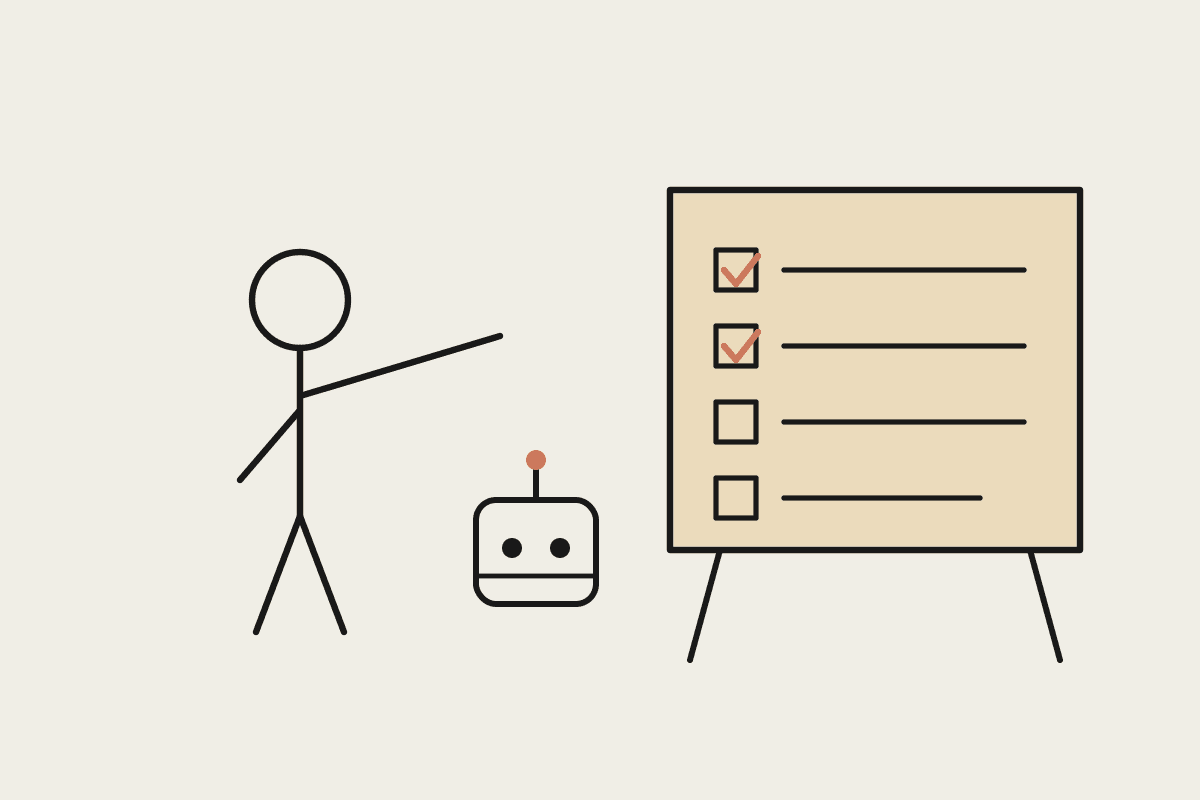
The common thread is that people practise on their own work, in a group small enough that the facilitator can see each screen, with a way to get help after the session ends. That is what a slide deck cannot give them.
A four-week sequence that sticks
Formats work better in order than in isolation. A sequence that has held up well for teams in Sydney and Melbourne looks like this.
Week one is a single build-along per function. Keep groups small and pick one real task each team already does weekly, such as drafting a first response to a customer enquiry or turning meeting notes into actions. Everyone finishes the session with a completed piece of real work.
Week two is clinics plus the first task playbook. Each team writes down the two or three prompts that worked in week one, so the knowledge stops living only in the heads of the fast movers. This is also where you name your champions.
Weeks three and four move to office hours and paired sessions. The formal teaching drops away and support shifts to on-demand. By now the goal is not exposure, it is removing the small blockers that quietly kill adoption: a login that expired, a document that did not paste cleanly, a prompt that nearly worked.
The whole sequence costs less in facilitator time than most teams expect. For a group of 30 people, four weeks of this rhythm runs to roughly $12,000 including preparation, and it replaces the far larger hidden cost of a licence that half the team never opens.
What to measure
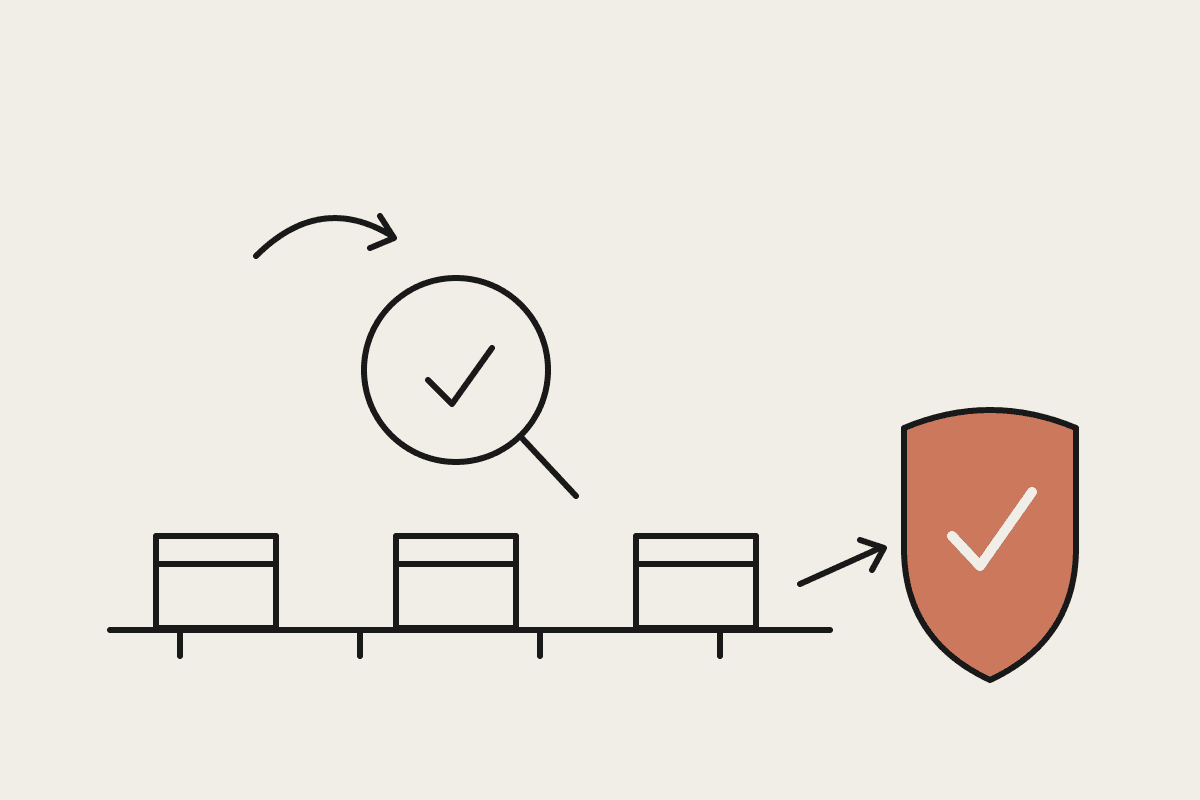
Attendance is a vanity metric. The number that matters is weekly active use four weeks after training, broken down by team, because it tells you where the format worked and where it did not. If one team sits at 80 per cent and another at 20 per cent, the difference is almost never talent, it is usually whether that team got a champion and a playbook or just a webinar.
Tie the number to money so it stays honest. If a claims officer on an $85,000 salary saves three hours a week, that is close to $6,000 a year of freed capacity per person, and it only shows up if the training changed how they work. Track the behaviour, not the enthusiasm.
If you want help designing a rollout for your own team, the formats, the sequence, and the measurement that keeps it honest, book a brainstorm and we will map it to the work your people already do.