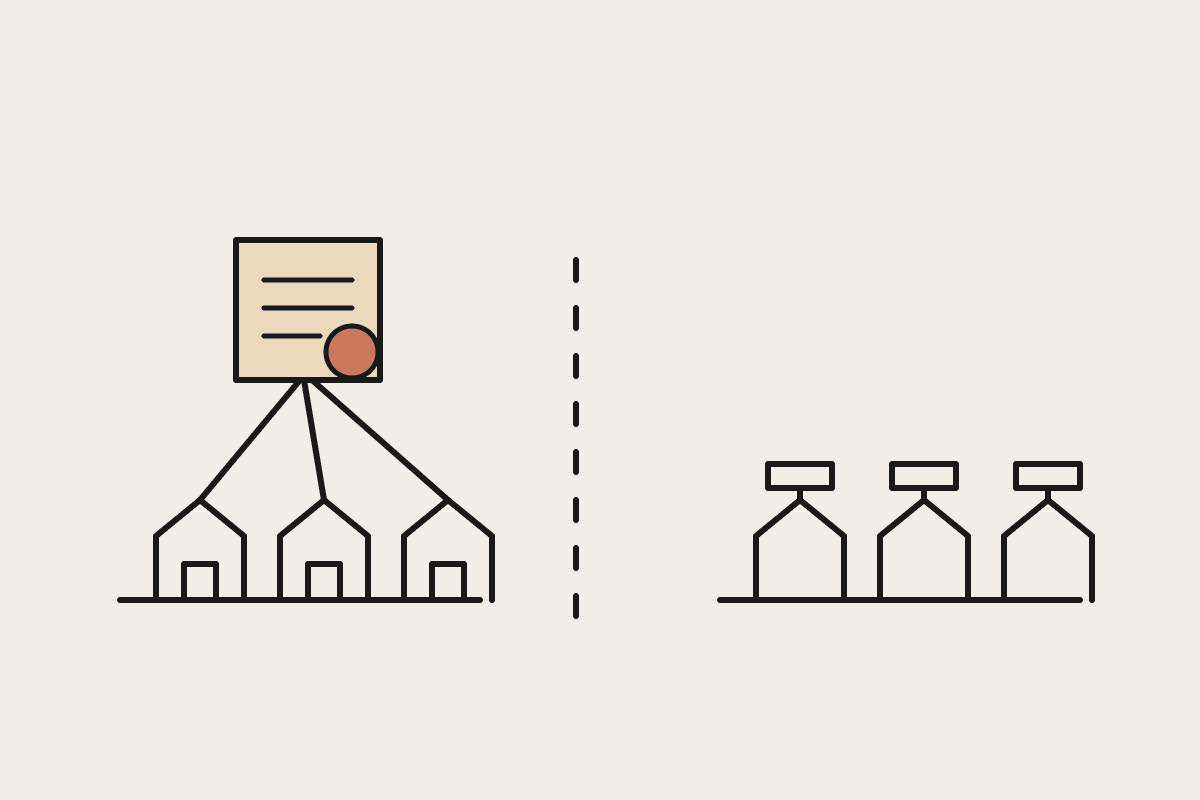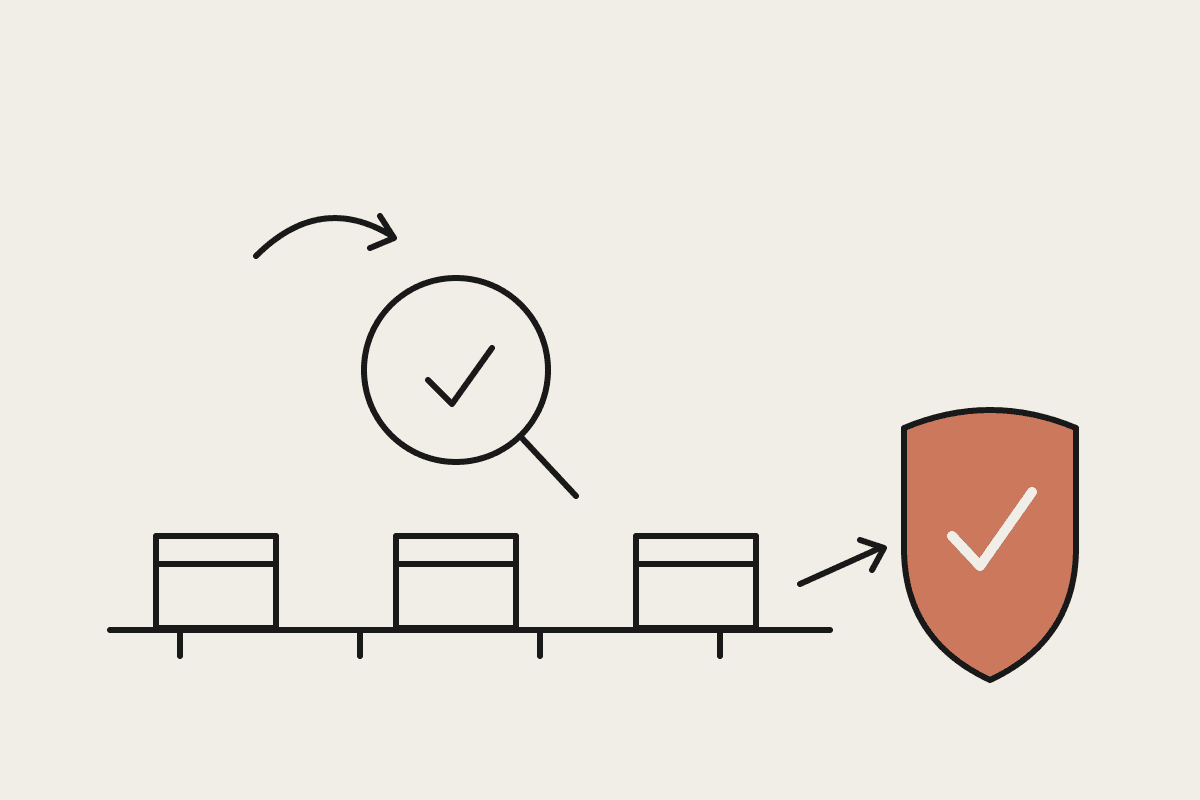
The Australian auction campaign looks like clockwork on paper. Four weeks from listing to the fall of the hammer, a fixed marketing schedule, two or three open homes each Saturday, and a vendor who wants to hear from you constantly. In practice, that clockwork is held together by a sales associate juggling twenty campaigns at once, and the balls that get dropped are rarely the big ones. They are the follow-up email to the buyer who came through at 10am, the contract request from a solicitor, the vendor update that was promised on Thursday and slid to Monday.
For agencies in Sydney, Melbourne and Brisbane, that admin load is the difference between a campaign that feels calm and one that feels frantic. Claude can carry most of it. Not the negotiation, not the relationship, not the read on a room during an open home, but the writing, tracking and chasing that fills the gaps between those moments.
The four-week campaign is an admin marathon
A single auction campaign generates a surprising paper trail. There is the vendor paperwork, the marketing copy, the buyer enquiry log, the open home registrations, the price feedback, the contract and section 32 requests, and the running commentary the vendor expects between opens. Multiply that by the ten to fifteen live listings a busy agent carries and the volume becomes the job.
Most of this work is not hard. It is repetitive, time-sensitive and easy to forget under pressure. That exact combination, low difficulty and high consequence, is where an assistant like Claude earns its keep. A missed step here does not just cost time. It can cost a listing or a sale.
Where Claude fits into the campaign
Think of Claude as the associate who never forgets a follow-up. You give it the campaign details and the context it needs, and it drafts, sorts and reminds. A few concrete jobs it handles well:
Drafting buyer follow-up emails after each open home, personalised to what the buyer asked about, ready for you to check and send.
Turning a messy voice note or a few bullet points into a polished weekly vendor update that matches your agency's tone.
Summarising the week's buyer enquiries and price feedback into a short report a vendor will actually read.
Building the contract and section 32 request list, and flagging which solicitors have not yet responded.
Keeping a plain-language checklist of every campaign task against the four-week calendar, so nothing sits unowned.
None of these tasks require Claude to act on its own. Every draft lands in front of a person before it goes out. That matters for trust, and it matters for the compliance obligations that come with a licensed agency.
A week-by-week view
Here is how the four weeks tend to break down, and what Claude can take off your plate at each stage.
Week one, launch: draft the listing description and social copy, prepare the vendor's welcome pack, and set up the buyer enquiry tracker.
Week two, momentum: summarise the first Saturday's open home feedback, draft individual buyer follow-ups, and write the vendor update with early interest levels.
Week three, pressure: chase outstanding contract requests, prepare price-guide talking points, and pull together a shortlist of the most engaged buyers with notes on where each one sits.
Week four, auction: prepare the registered bidder summary, draft the pre-auction vendor briefing, and have the post-auction follow-ups ready whether the property sells under the hammer or moves to private negotiation.
The pattern repeats on every campaign, which is exactly why it suits a tool that learns your format once and applies it every time. The tenth vendor update of the month reads as carefully as the first.
What it actually saves
Put a number on it. A sales associate on around $75,000 a year who spends fifteen hours a week on campaign admin is roughly $25,000 of annual salary going to work a well-briefed assistant could halve. Across a team of four associates, that is real money, and it is money currently spent on tasks nobody enjoys doing.
The bigger return is not the salary line. It is the deals that do not slip. A marketing spend of $9,000 on a single campaign is wasted if the hottest buyer never gets a call back. Auction results in the major capitals swing on buyer depth, and buyer depth depends on follow-up. An agency that answers every enquiry within the hour, every week of the campaign, wins repeat listings on reputation alone.
Keeping it compliant and human
Real estate is a licensed, regulated business. Vendor communications, price representations and buyer records all sit under state fair-trading rules, and the Privacy Act governs how you hold buyer contact details. Claude helps here rather than complicating it. Because every message is drafted and then reviewed, you keep a clear record of what was sent and when, and a person signs off on any price or representation before it reaches a vendor or a buyer.
The line to hold is simple. Claude writes the first draft and remembers the schedule. The agent owns the judgement, the relationship and the final word. Buyers still deal with a person. Vendors still get a phone call, not a bot. The Australian property market runs on trust, and nothing about putting Claude to work on the admin changes who is accountable for the campaign.
If your agency runs the standard four-week campaign and the admin is the part that keeps slipping, that is a well-defined problem worth solving. We help Australian businesses put Claude to work on exactly this kind of repetitive, high-stakes coordination. Book a short brainstorm and we will map it out for your team.