Opening a new clinic gives you something established practices rarely get: a clean slate. There is no decade-old booking software to migrate, no filing room of paper records to scan, and no staff habits to unlearn. If you are setting up a general practice, an allied health room or specialist rooms this year, you can build the administrative side of the business around Claude from the first week rather than bolting it on three years later. This checklist covers the non-clinical foundations an AI-native clinic needs, and where the sensible limits sit.
What an AI-native clinic actually means
An AI-native clinic uses Claude to carry the repetitive administrative load. That means drafting recall and results-ready letters, summarising inbound referral correspondence, turning a receptionist's phone notes into a structured booking, and preparing the paperwork that surrounds every appointment. It does not mean handing clinical judgement to software. Claude drafts, and a person decides. Diagnosis, triage severity, medication choices and anything that touches patient safety stay with your practitioners. Writing that line down on day one keeps you on the right side of AHPRA's expectations and your professional indemnity cover, and it makes staff training far simpler because everyone knows what the tool is for.
Before you open the doors
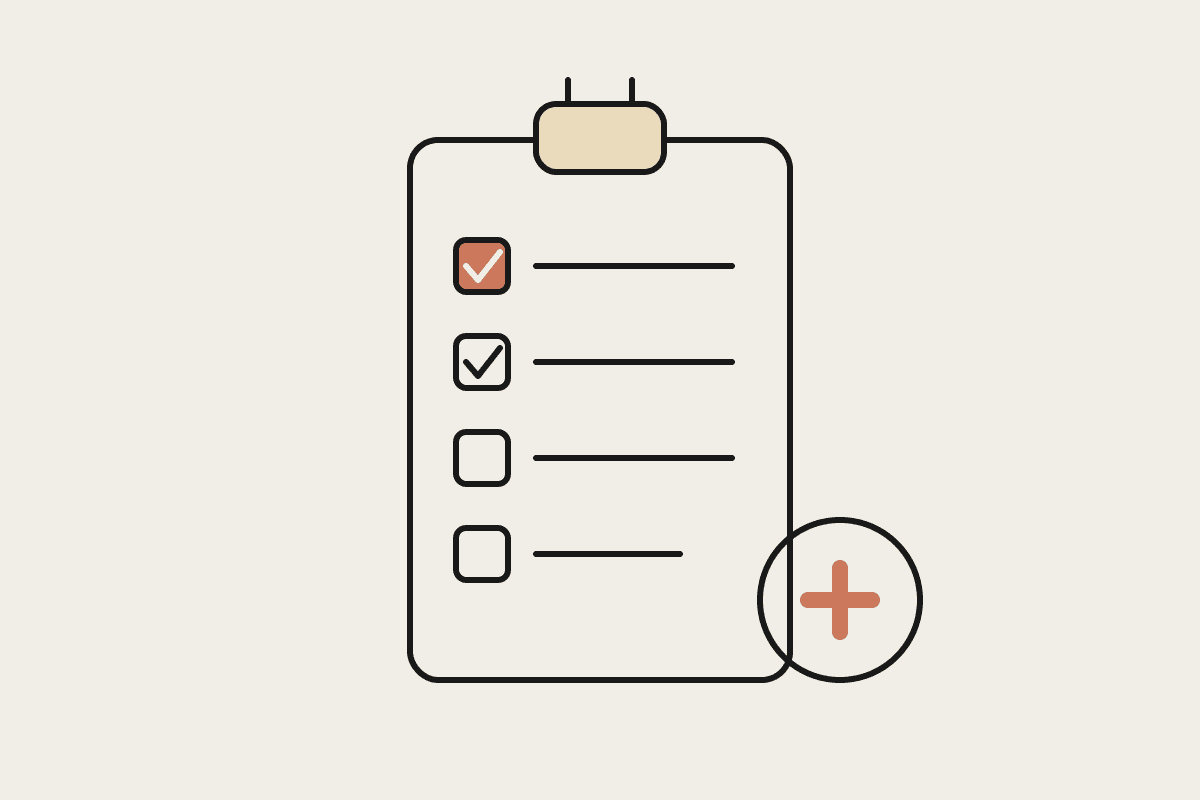
Most of the value comes from a handful of decisions made before your first patient walks in. Set these up while you still have time and quiet.
Write down which tasks Claude will touch and which it will not. A one-page scope beats a vague intention every time, and it doubles as your induction note for new staff.
Choose a practice management and records system that lets you export and import cleanly. You want your patient data to move with you, not to be trapped by a vendor.
Draft your standard patient letters as templates Claude can fill in: welcome, recall, results-ready, and referral acknowledgement. Consistent tone across every practitioner starts here.
Decide who reviews AI-drafted communications before they reach a patient. For a new practice that is usually the principal or the practice manager, and the reviewer's name should be on the scope page.
The front desk
Reception is where an AI-native setup pays for itself fastest, because the work is high volume and mostly repetitive. Claude can turn a scribbled call note into a clean booking request, draft a same-day reply to a routine admin question, and prepare the daily list of patients who need a recall or a follow-up. What it should never do is answer a clinical question or make a triage call. A good rule for a Sydney or Melbourne clinic juggling forty calls a day is that Claude prepares the draft and a human sends it.
Route every clinical or symptom question straight to a practitioner, never to an automated reply.
Use Claude to prepare recall and reminder lists each morning, then have reception confirm before anything sends.
Keep a short library of approved answers for the twenty questions patients ask most, so drafts stay accurate.
Billing, Medicare and the money side
Billing admin is where new clinics quietly lose hours. Claude can reconcile a day's Medicare and private payments against the appointment list, flag mismatches for a human to check, and draft the polite follow-up for an unpaid private invoice. It does not select item numbers or make a billing determination for you; that stays a human decision because getting it wrong has compliance consequences. A two-practitioner clinic that spends fifteen hours a week on billing and reception admin is carrying roughly $45,000 a year in loaded staff time on that work alone. Reclaiming even a third of it changes the maths on your first hire.
Privacy, records and compliance
Health information is sensitive information under the Privacy Act 1988 and the Australian Privacy Principles, and several states add their own health records law on top. An AI-native clinic has to treat that seriously from the start rather than retrofitting it. The practical version is short: know where patient data sits, limit what any tool can see to what it needs, and keep a record of what was drafted by a tool and who approved it.
Confirm no patient identifiers are stored where they should not be, and document your data flow in plain language.
Keep an approval trail for AI-drafted patient communications so you can show who reviewed what.
Check your patient consent and privacy collection notice mention how you use software in administration.
Follow AHPRA's advertising guidance on any Claude-drafted marketing before it goes live.
What it costs, and what you get back
A sensible AI-native setup for a small practice is not a large capital project. A fixed-fee build to scope the workflows, write the templates and train the team sits around $3,500, plus a modest monthly software cost. Set against the $45,000 a year a small clinic spends on repetitive admin, and the cost of clinical staff being pulled into paperwork, the payback is measured in weeks, not years. Larger multi-site groups running six figures of administrative overhead, closer to $120,000 across reception and billing, see the case even more clearly.
Draw the line early
The clinics that do this well are strict about the boundary. Claude handles the words and the paperwork; practitioners handle the medicine. Every patient-facing output has a named human who reviews it, patients are told plainly how the practice uses software, and nothing about clinical care is delegated to a model. Setting that governance on day one is far easier than clawing it back after habits form, and it is the difference between a tool that earns trust and one that creates risk.
If you are standing up a new practice and want the administrative layer built around Claude from the start, we help Australian clinics scope exactly that. You can book a short brainstorm with us and leave with a one-page plan for your first ninety days.