The best answer to a client's question is often one your firm has already written. A partner drafted the advice four years ago. An associate built a clause library that now lives in a folder nobody opens. Someone negotiated the exact indemnity wording a new matter needs, on a file that closed long before the current team arrived. The knowledge exists. It just sits in closed matter files, old email threads, and the memory of people who have since moved on. When a fee earner needs it, they usually start from a blank page instead.
This is the quiet cost of weak precedent management. A mid-size Sydney firm we worked with estimated that its lawyers spent six to eight hours a week rebuilding documents that already existed somewhere in the system. At standard charge-out rates, that is close to $45,000 a year of recoverable time per fee earner, before you count the risk of reusing a clause that changed two amendments ago. Claude changes the search itself. Instead of hunting through folders, a lawyer asks a question in plain English and gets an answer grounded in the firm's own work.
What retrievable knowledge actually means
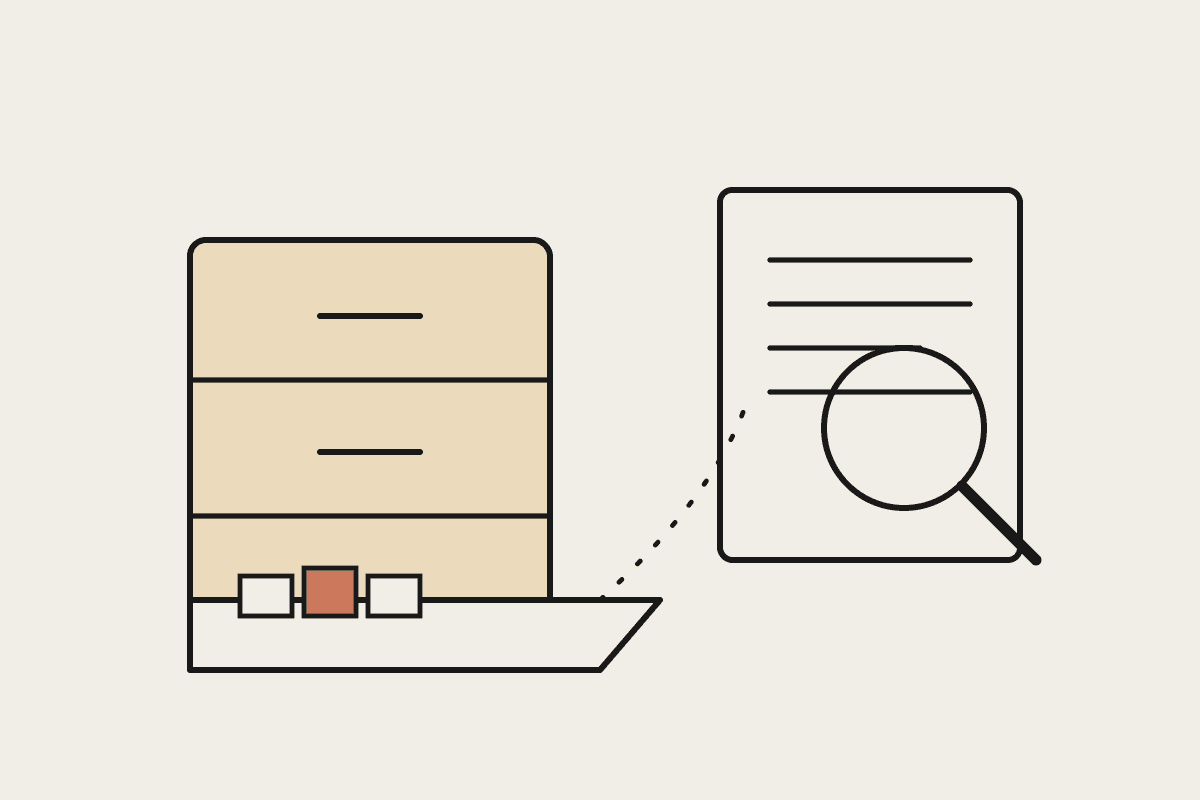
Retrievable does not mean a tidier folder structure. It means every lawyer can ask the firm's collected work a direct question and get a useful, sourced reply in seconds. Point Claude at your precedent bank, your closed matters, your standard advice and your internal know-how notes, and the questions it can answer include:
Which of our past engagement letters dealt with a conflict waiver for a related-party transaction, and how was it worded?
Show me every version of our unfair-contract-terms clause and flag the most recent one.
What position did we take last time a client asked about payroll tax grouping across two states?
Draft a first-cut shareholders' agreement using our house style and the clauses we normally include for a family business.
Each answer comes back with the source matter or document attached, so the lawyer can open the original, check the context and decide whether it still applies. Claude does the finding. The fee earner keeps the judgement.
Setting it up without breaking privilege
For a law firm the first question is never capability. It is confidentiality. Client files carry legal professional privilege, and the Australian Solicitors' Conduct Rules place a firm duty on you to protect client information. Any knowledge system has to respect that from day one, not as an afterthought once the pilot is running.
A few ground rules we hold to when we build one of these:
Client data used with Claude is not used to train the underlying model. Your precedents stay yours.
Access mirrors your existing matter security. A lawyer who cannot see a file today should not be able to retrieve its contents through Claude either.
Ethical-wall matters are excluded from the searchable set, not merely hidden from the results.
You keep a record of what was asked and what was surfaced, which matters for both supervision and any later audit.
None of this is exotic. It is the same information-governance thinking your firm already applies to its document management system, extended to a tool that reads and reasons rather than only stores.
A realistic rollout for an Australian firm
The firms that get value quickly start narrow. Pick one practice group and one well-defined body of knowledge, for example the corporate team's precedent bank or the property team's standard contracts. Load that set, give five or six lawyers access, and measure how often they reach for it over a month. A narrow start also keeps the privilege questions manageable, because you are governing one known set of files rather than the whole document store.
A sensible first-phase budget for a mid-size firm sits around $120,000 for the year once you include licensing, a structured rollout and the time of an internal champion. That figure looks large until you set it against the recoverable hours a single practice group loses to duplicated drafting. Most firms reach break-even inside the first two quarters and expand from there.
What good looks like after 90 days
By the three-month mark a working setup shows a few clear signals. Junior lawyers stop emailing seniors to ask whether the firm has done something before, because they can check for themselves. Precedents get used consistently instead of each fee earner keeping a private stash. And partners notice fewer near-misses, because the current version of a clause is the one that surfaces first, not a copy someone saved to their desktop in 2022.
Your firm's real asset is not its document store. It is the accumulated judgement inside it, and most of that judgement is locked away the moment a matter closes. Claude makes it retrievable again, safely and on your terms. If you want to see what this looks like against your own precedent bank, book a short brainstorm with our team and we will map the first practice group with you.