Most owners we meet already sense where the busywork lives. The accounts inbox that swallows two hours every morning. The quote that gets rekeyed into three separate systems. The report someone rebuilds by hand every Friday afternoon. What they usually do not have is a ranked, costed picture of which of those jobs is worth fixing first, and which ones are cheaper left exactly as they are. That picture is what an automation audit produces, and we build it in a single working day.
The one-day format is a deliberate choice. A three-week discovery engagement burns budget before a single task is automated, and half the findings are stale by the time the slide deck lands. A focused day with the right people in the room gets you a map you can act on that same week. We run these audits with Australian small and mid-sized businesses across Sydney and the eastern states, and the shape of the day stays consistent from one firm to the next.
What we actually do in the day
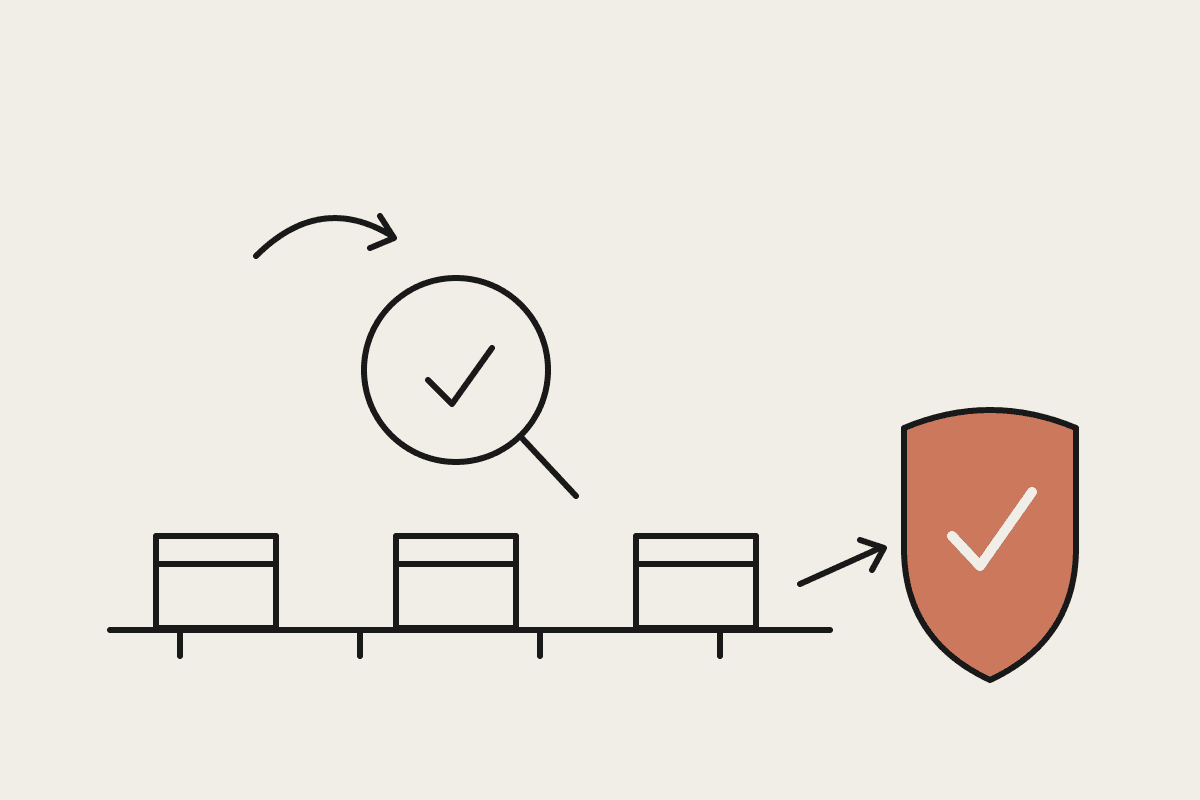
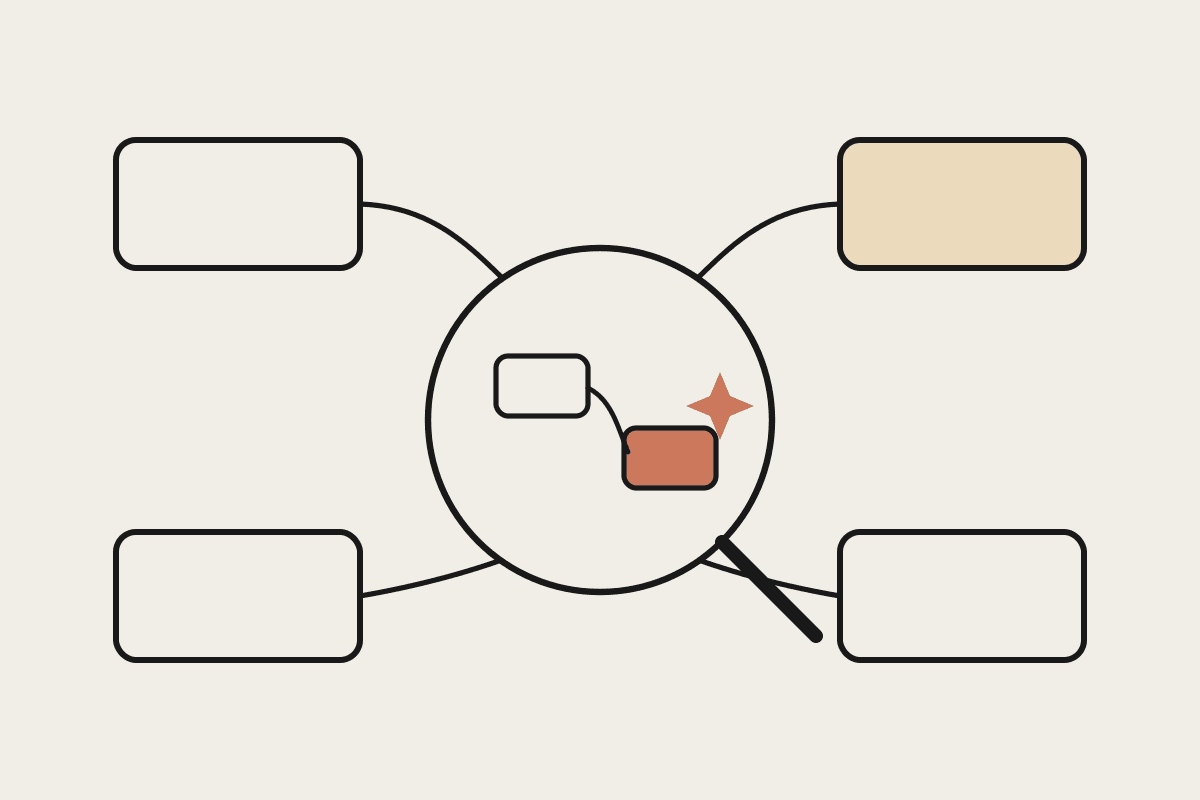
The day is built around your real work, not a generic template. We sit with the people who do the jobs, watch the actual steps on their actual screens, and time them. Claude sits alongside us the whole way, taking structured notes, drafting the process maps as we talk, and flagging where a task is a clean fit for automation versus where a human judgement call is quietly doing the heavy lifting.
By late morning we typically have twenty to forty candidate tasks written down. The afternoon is spent scoring and cutting that list, because a useful audit says no at least as often as it says yes. A task that runs twice a year, or one that hides a compliance decision, does not belong near the top of an automation list no matter how tedious it feels to the person stuck doing it.
The map you walk away with
The deliverable is a single document, written in plain English, that a non-technical owner can read in fifteen minutes and hand to a bookkeeper or an IT contractor without needing to translate it. It is not a stack of vendor logos and a proposal.
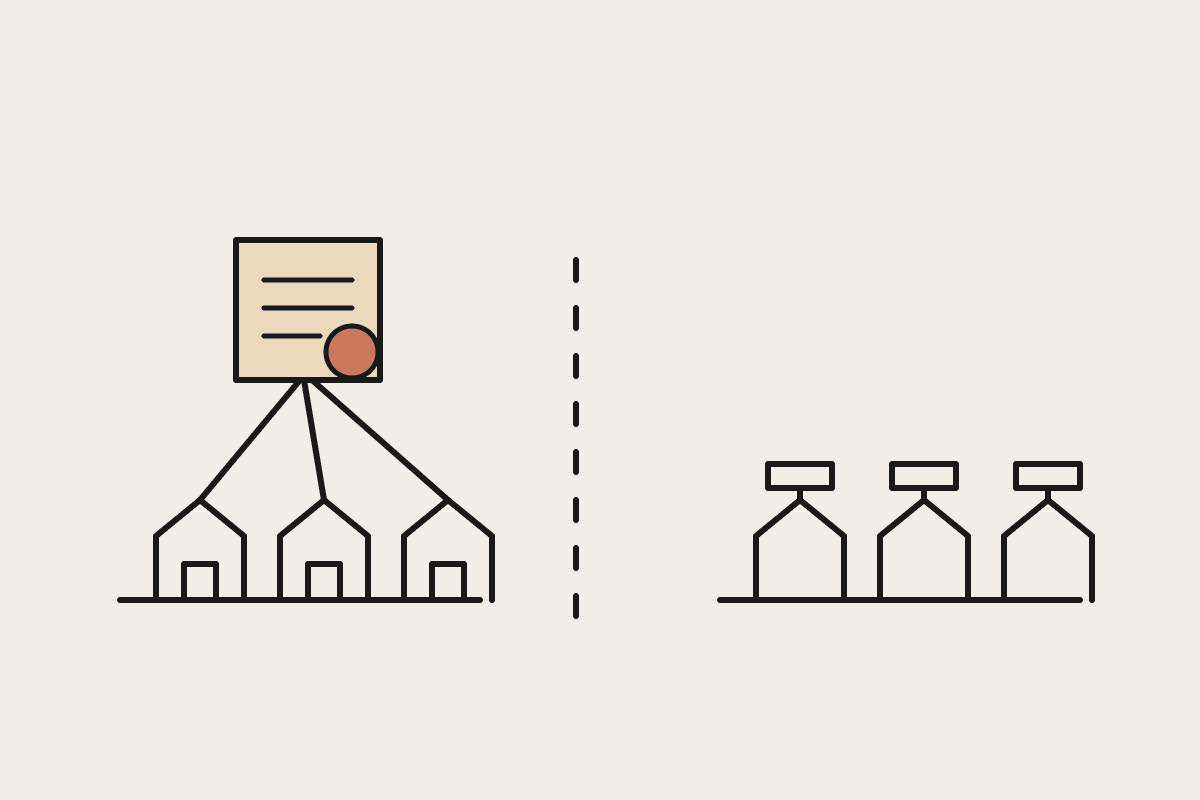
A process map for each area we reviewed, showing where time and errors actually accumulate rather than where you assume they do.
A ranked shortlist of automation opportunities, each with an estimated hours-saved figure and a rough build cost.
A deliberate leave-it-alone list, so you can stop feeling guilty about the jobs that are genuinely not worth touching.
A first-90-days sequence, so you know what to build first, what can wait, and what depends on something else.
Notes on any Privacy Act or record-keeping obligations a given automation would touch, flagged for your accountant or legal adviser.
How we score an opportunity
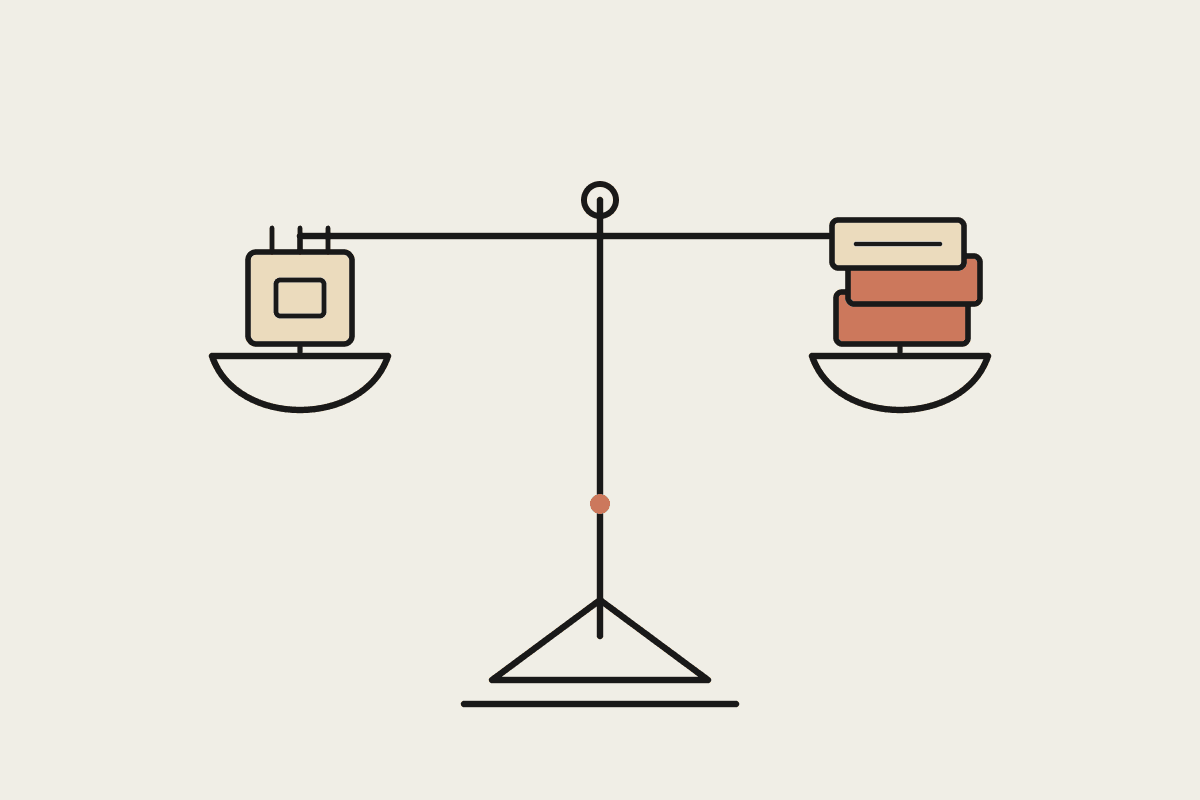
Every candidate task gets scored against the same four questions, so the final ranking is defensible rather than a matter of taste or whoever complained loudest. We keep the arithmetic simple on purpose, because a score nobody can follow is a score nobody trusts.
How many hours a month does this task consume today, and at what loaded staff cost?
How repeatable is it? A task with clear rules automates cleanly; one riddled with exceptions rarely pays back.
What is the cost of an error, and does the task touch money, safety, or a regulatory obligation such as BAS lodgement or payroll?
What would it realistically cost to build and run the automation, including the monthly tooling and a bit of maintenance?
A task that eats twelve hours a month at a loaded cost of A$55 an hour is quietly burning roughly A$8,000 a year. If Claude can handle the bulk of it for a few hundred dollars a month in tooling plus a one-off build, the payback is obvious and it goes near the top. A task worth A$1,200 a year that would cost A$45,000 to automate reliably goes straight onto the leave-it-alone list, and we tell you so plainly instead of quietly billing for it.
What the day costs and what it tends to return
The audit is a fixed fee of A$2,500, and you own the map whether or not you build anything with us afterward. We priced it that way on purpose. A free audit that only exists to sell you a A$120,000 platform is not really an audit, it is a sales call wearing a lanyard, and Australian owners can smell the difference.
Across the audits we have run, the ranked shortlist usually surfaces somewhere between A$40,000 and A$90,000 a year of recoverable staff time in a business of ten to fifty people. Not all of that is worth chasing, which is precisely the point of ranking it. Most owners end up building the top three or four items and consciously ignoring the long tail, which is a far healthier outcome than trying to automate everything at once.
Who this is for
The audit earns its fee when a business has grown past the point where one person can hold the whole process in their head, but has not yet spent real money on automation. If you are an Australian firm with a handful of staff drowning in repeatable admin, and you want a costed plan rather than a vendor pitch, a single focused day is enough to get you one. If you are curious how we work with Claude specifically, our Claude consultancy page walks through the approach in more detail.
If that sounds like your business, you can book a short call to talk through whether an audit is the right first step, and we will be honest with you if it is not. Start the conversation here.