Every small Australian business exploring AI reaches the same fork in the road. Build on an open source model that you run yourself, or buy access to a managed one like Claude. The honest answer depends on the team you have and your appetite for operational risk, not on which model tops this month's benchmark. This guide walks through both sides with the real numbers a 10 to 50 person business actually carries.
What building really means
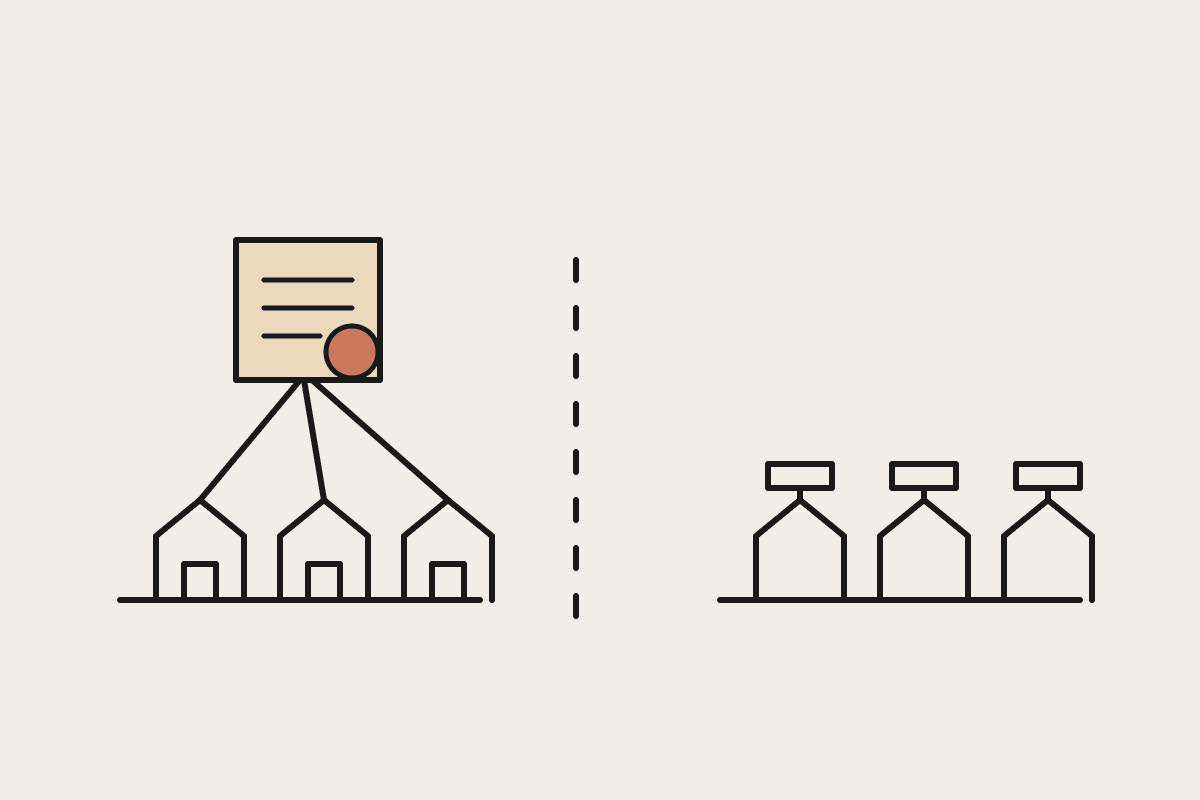
Building on an open source LLM is not just downloading model weights. It means standing up GPU servers, keeping them patched and monitored, tuning the model for your tasks, and owning every failure at two in the morning. The model itself is free. Everything around it has a price, and most of that price is paid in your team's time rather than on an invoice.
Building can still pay off, but only under conditions that smaller businesses rarely meet in full.
You have engineers who genuinely want to own and run the stack
Your workload is large, steady, and predictable enough to keep the hardware busy
Data must stay on Australian infrastructure for a clear compliance reason
You can absorb the on-call burden when inference breaks during business hours
When all of those hold, building gives you control and can lower the cost per request at high volume. The trouble is that meeting all of them is a high bar for a business of twenty or thirty people.
What buying really means
Buying access to a managed model like Claude folds most of that work into a single, predictable charge. You write to an API, and the provider runs the hardware, the scaling, the security patching, and the reliability roster. For most small Australian teams this is the path that wins, because it removes the parts that quietly consume time and cash.
A faster route from idea to a working, shipped result
No GPU fleet to buy, staff, scale, or secure
Predictable monthly cost instead of large capital outlay
Reliability that does not depend on your own on-call roster
The trade you accept is less low-level control and a per-request price that never reaches zero. For a business whose real constraint is engineering time rather than API spend, that trade is usually worth making.
The hidden costs that decide it
The figures that catch businesses out are rarely the obvious ones. The GPU invoice is visible, so people plan for it. The hours an engineer spends minding an upgrade, the idle capacity overnight and on weekends, and the testing every model change forces are the costs that quietly turn a cheap-looking build into an expensive one.
Idle compute on nights and weekends that you still pay for
Re-testing and integration work each time you upgrade the model
Security and audit effort to satisfy the Privacy Act and your clients
The opportunity cost of engineers not building your actual product
What the numbers usually say
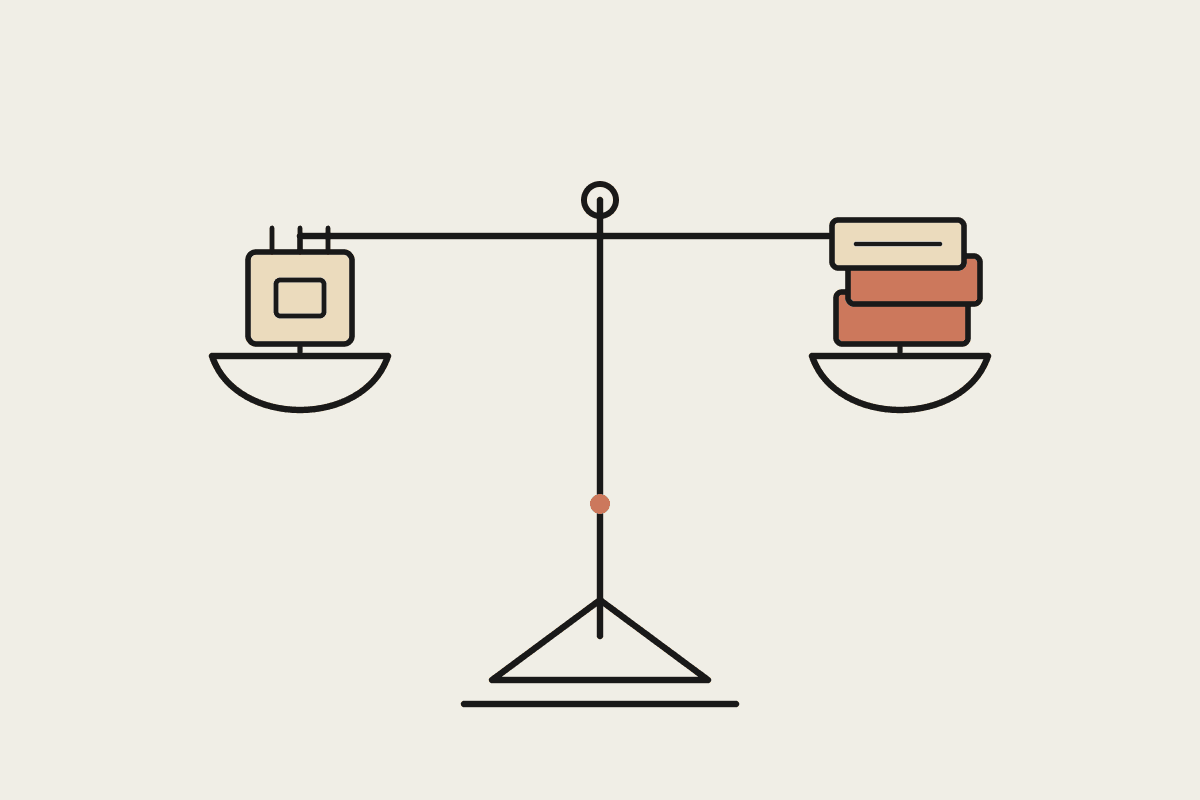
For a business of 10 to 50 staff, buying access typically beats building by a wide margin in the first year. A single production GPU node in Australia can cost around $40,000 a year before anyone writes a line of application code, and a capable engineer to run it adds well over $150,000. Counted properly, a self-hosted setup can reach $200,000 in year one, while a managed Claude build often delivers the same outcome for a fraction of that, frequently saving $100,000 once people and hardware are included.
The exceptions are real but uncommon. They tend to involve unusual request volume, a narrow task you can tune once and then leave alone, or a strict data rule that forces local hosting. Outside those cases, the maths points firmly toward buying.
Price the people first, not just the model licence
Treat speed to value as a real financial factor, not a soft benefit
Count compliance and security as an ongoing line item
Model three years of cost, not the first cheap month
Where data and compliance fit
Data sensitivity often settles the question before cost does. A Sydney accounting firm handling client financials, or any business bound by the Privacy Act, has to know where data goes and who can see it. Self-hosting can keep data on Australian soil, but only if the whole system around the model is built and documented to match. A managed Claude deployment with the right data-handling controls meets the same need for most teams without the burden of running the infrastructure yourself.
The point is to tie model choice to data risk, then write the decision down so it stands up later if a client or a regulator asks.
A staged path that lowers risk
Build versus buy does not have to be a single irreversible bet. The lower-risk approach is to start on a managed model, prove the value quickly, and only move specific workloads to self-hosting when your volume and data needs clearly justify it.
Start on Claude to prove the value within weeks, not quarters
Watch your request volume and data sensitivity as they grow
Move a workload to self-hosting only when the maths actually flips
For an Australian SMB, this staging captures the early value while keeping the self-hosting option open, so you never pay for infrastructure ahead of the demand that would justify it.
We assess your situation without bias and recommend the path that fits, with Claude as the sensible default for most small Australian businesses and open source where it genuinely earns its place. If you want the real numbers for your own case,book a brainstormand we will work through them with you.