Moonshot AI has released Kimi K3, a 2.8-trillion-parameter open-weight model with a 1M-token context window and a new hybrid linear-attention architecture the company calls Kimi Delta Attention. It's being pitched at long-horizon coding, large codebases, tool use and research workflows, and it's the latest open-weight release to claim it can match the frontier labs on raw capability.
According to Moonshot's own published evaluations and community-reported testing, none of it independently verified by Anthropic or Automata AI, K3 reportedly beats Claude Opus 4.8 and GPT-5.6 Sol on several benchmarks and lands in the same tier as Claude Fable 5 on some frontend and coding demos. Reported API pricing sits around $3 per million input tokens and $15 per million output tokens, which reads as a steep discount next to frontier-lab pricing. For a business watching its AI spend line, that headline is designed to grab attention.
A familiar pattern
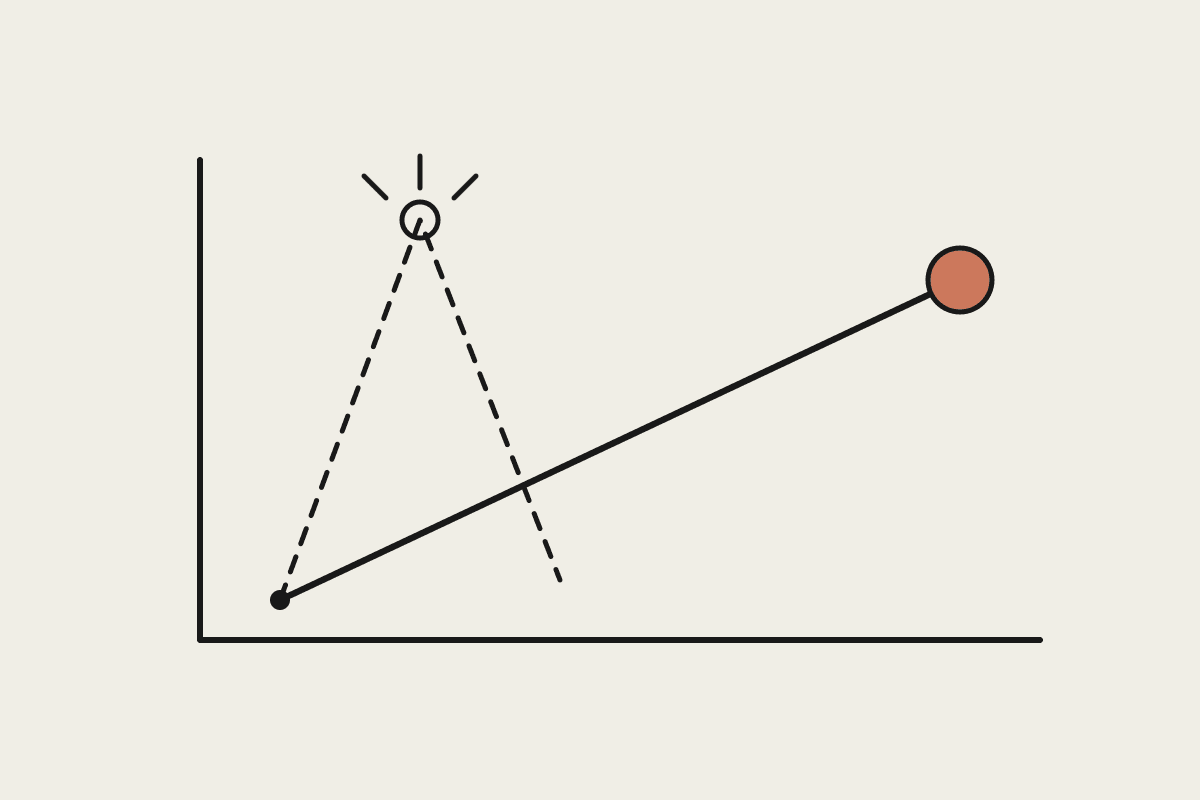
This isn't the first open-weight release to claim parity with a frontier model, and it won't be the last. Benchmark suites get selected, tuned and sometimes gamed by whichever lab is publishing the result, and a model that wins on a coding leaderboard doesn't automatically behave the same way inside a live agent workflow with real tools, real guardrails and real customer data attached. The gap between winning a demo and running reliably in production is exactly where most vendor evaluations fall down.
What the benchmark headline leaves out
Benchmark parity is not the number that actually matters when an Australian business is choosing an AI vendor. The real cost of switching model providers rarely shows up on the token price line. It shows up in re-integration engineering time, retesting agent workflows end to end, retraining staff on a new interface, and re-establishing enterprise controls like SSO, audit logging, data residency and spend management.
For a mid-size Sydney or Melbourne business, a supposedly cheaper model swap that needs two to three weeks of senior-engineer rework can run to $15,000 to $40,000 AUD in labour alone, before factoring in the risk of a less mature enterprise support relationship or a vendor still finding its feet after a launch-week spike in demand.
What a vendor switch actually touches
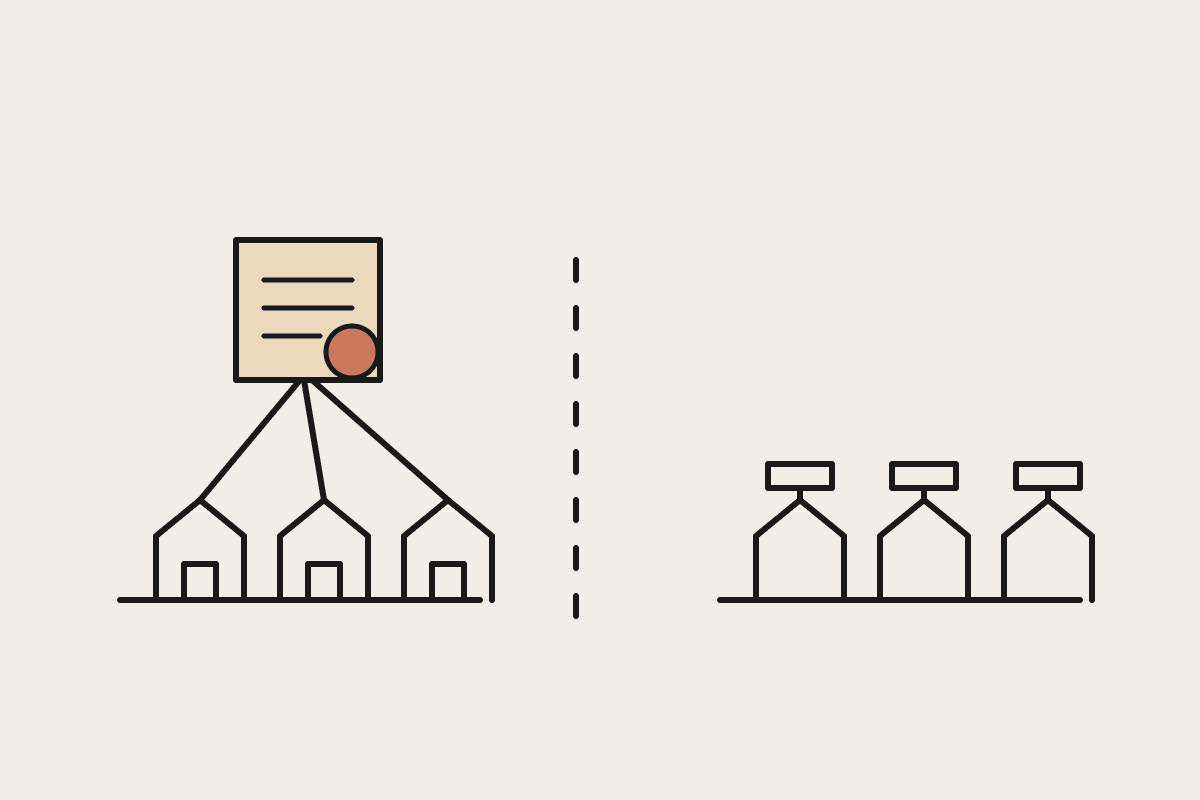
A model swap is rarely just a model swap. Once a business has built real workflows on top of an AI vendor, the surface area that has to be re-tested is much wider than the API call itself:
Prompt and tool-use configurations tuned against the old model's specific behaviour
Guardrails and safety checks that assumed a particular model's failure modes
Evaluation suites and QA processes built around the old vendor's outputs
SSO, identity and access management, audit logging and spend controls
Data processing agreements, security reviews and any compliance sign-off tied to the original vendor
None of that work shows up in a per-token price comparison, but all of it has to happen before a new model is trusted with the same production traffic the old one was handling. Skipping steps to move faster is how businesses end up debugging subtle agent failures in production instead of in a test environment.
What should actually drive the decision
Enterprise governance: SSO, audit logs, spend controls and admin visibility, which Claude Cowork and Claude Code ship natively.
Data handling and residency commitments, from a vendor with a track record of being transparent about safety and security practice.
Ecosystem maturity: connectors, MCP support, Agent Skills, and integration with the AU business tools already in place.
Vendor support and reliability under real production load, not just leaderboard performance on a launch-day demo.
Four questions before you switch providers
Before switching providers to chase a benchmark headline, it helps to work through a short checklist:
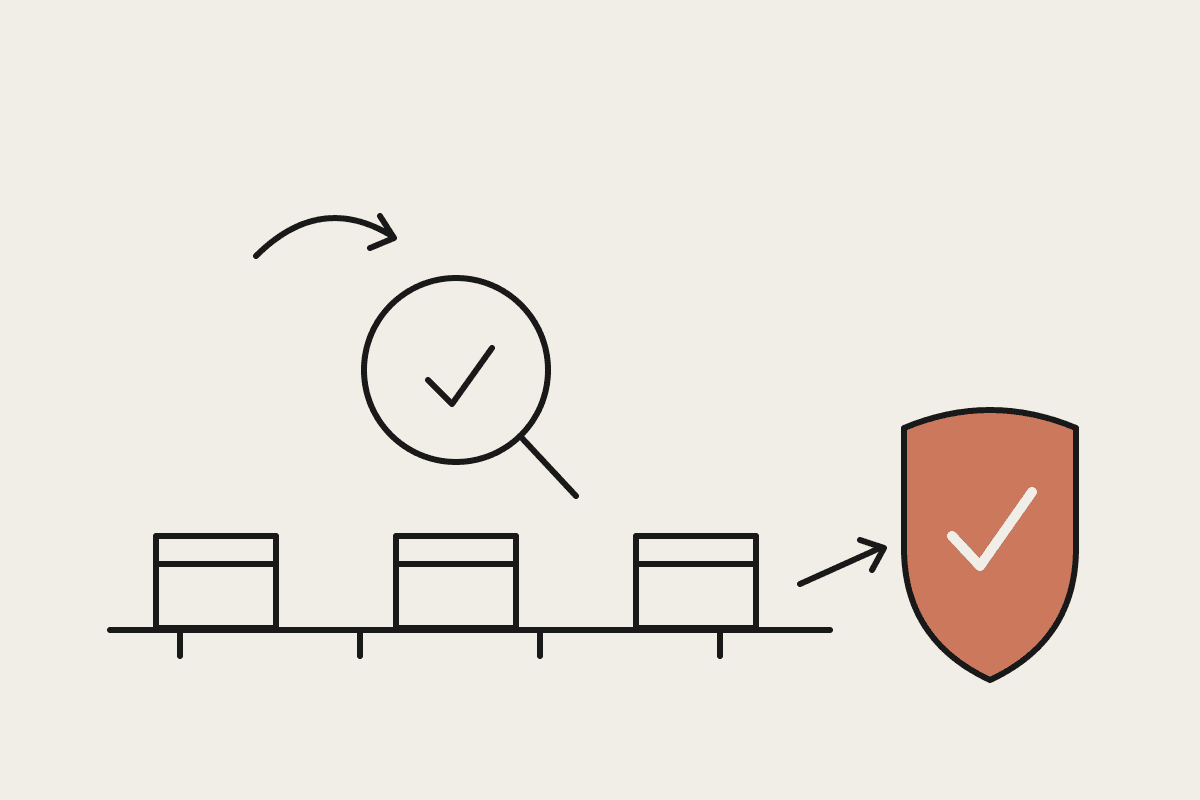
Has this benchmark claim been independently verified, or is it self-reported by the vendor?
What does migration actually cost in engineering hours, at a fully loaded rate of roughly $150 to $180 an hour for a senior AU engineer?
Does the alternative model match Claude's enterprise controls, or does adopting it mean rebuilding governance from scratch?
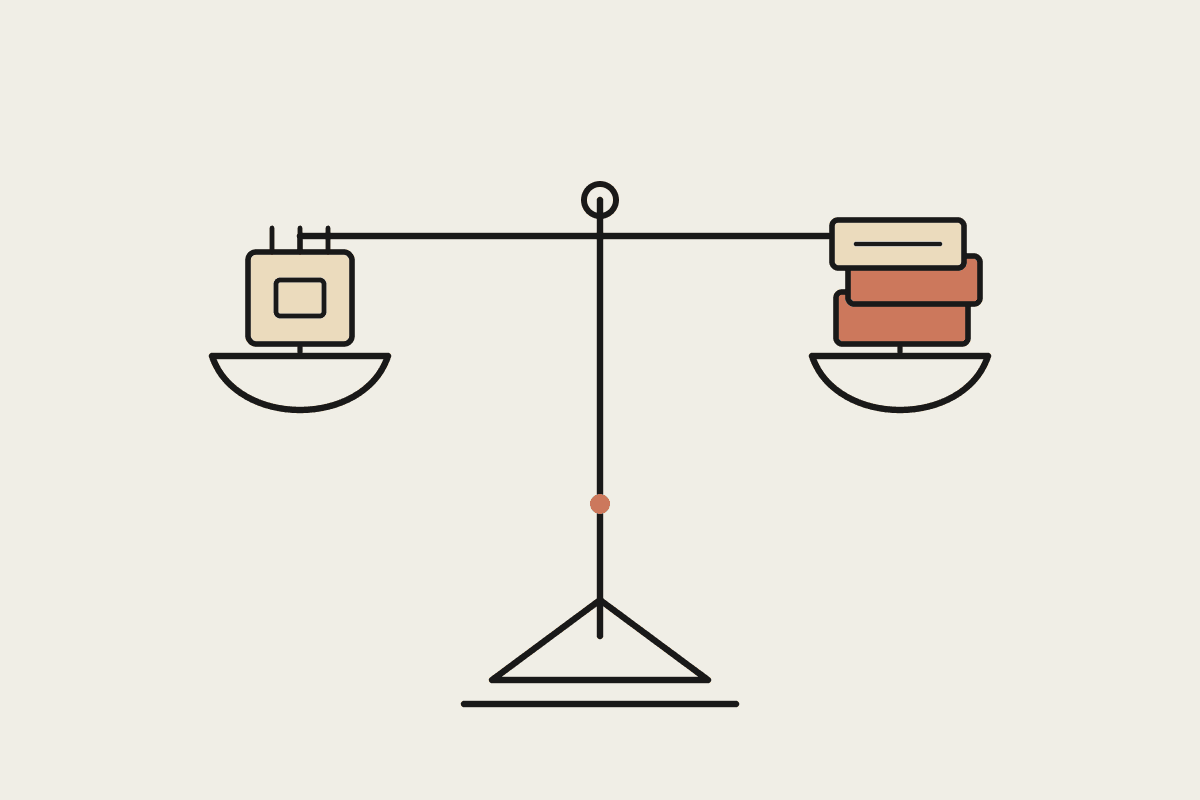
Is the token-cost saving actually bigger than the cost of the switch itself, once labour and risk are counted in?
Where this leaves Sydney businesses running Claude
Open-weight competitors like Kimi K3 are a healthy sign the market keeps moving fast, and more competition is generally good news for buyers. For Australian businesses already running Claude Code or Claude Cowork, the more useful question isn't whether a new model wins a demo. It's whether swapping vendors is worth the governance and integration cost that swap introduces, measured against what it actually saves. That calculation looks different for every business, but it rarely favours a switch made purely on a benchmark screenshot.
When we run this analysis for clients, it usually comes down to a straightforward comparison: the fully loaded cost of switching, including labour, retesting and risk, set against the actual annual token-spend saving. In most mid-size deployments the token line is a small fraction of total AI spend next to the engineering and governance work already built around Claude, which is why the switch rarely pencils out on cost alone.
Automata AI helps Sydney businesses run that cost-benefit analysis before committing engineering time to a migration. If you're weighing a model switch, book a short call and we'll walk through the real numbers for your setup.