Migration is never just a model swap
On paper, moving from a managed model like Claude to a cheaper open-weight model looks like changing a setting in a config file. In practice, an Australian business that has wired AI into real workflows is looking at a project, not a toggle. The per-token saving is easy to see on a pricing page. The switching cost is easy to miss until you are three weeks into testing. A model card and a slick demo are not a migration plan.
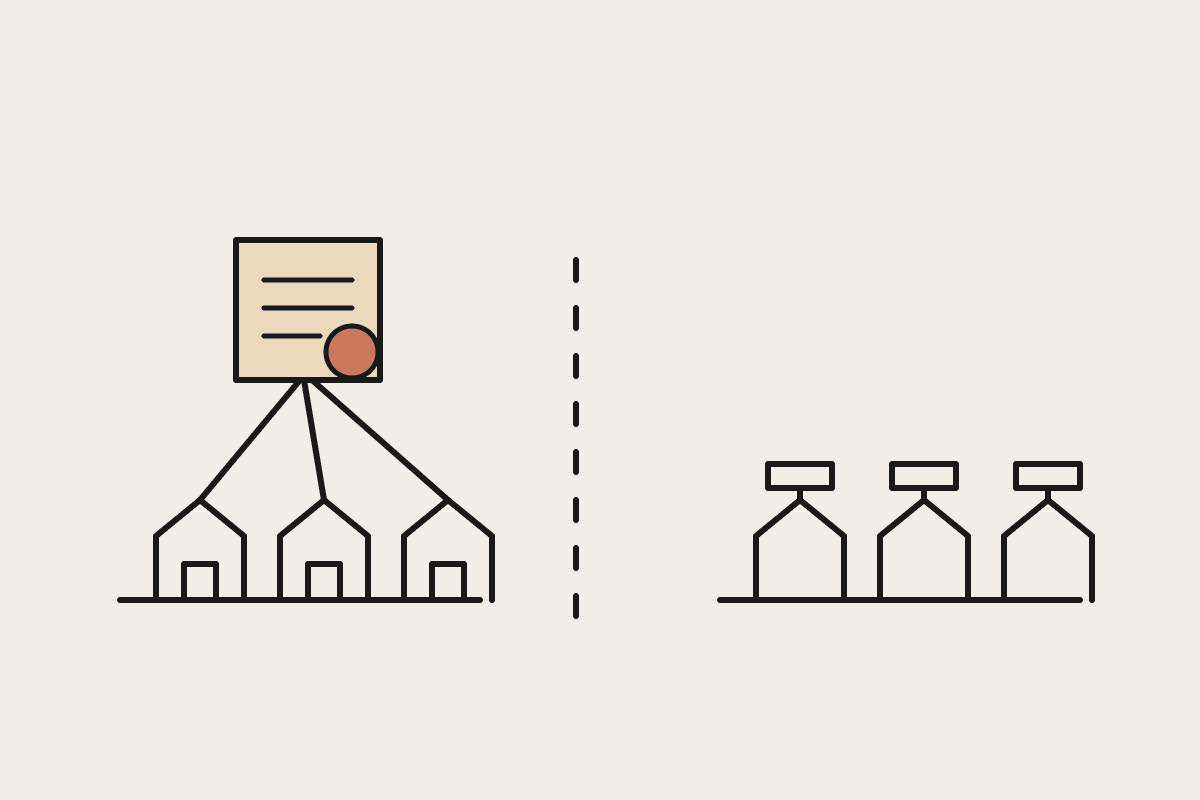
Every prompt, evaluation and integration your team built was tuned to one model's behaviour. A different model, even a genuinely strong one, responds differently to the same instruction. Output format drifts, edge cases that used to be handled quietly start failing, and the guardrails you wrote around the old model's quirks no longer line up. That means re-testing everything, not just re-pointing an API call.
Rewriting and re-testing every prompt that was tuned to the old model's behaviour.
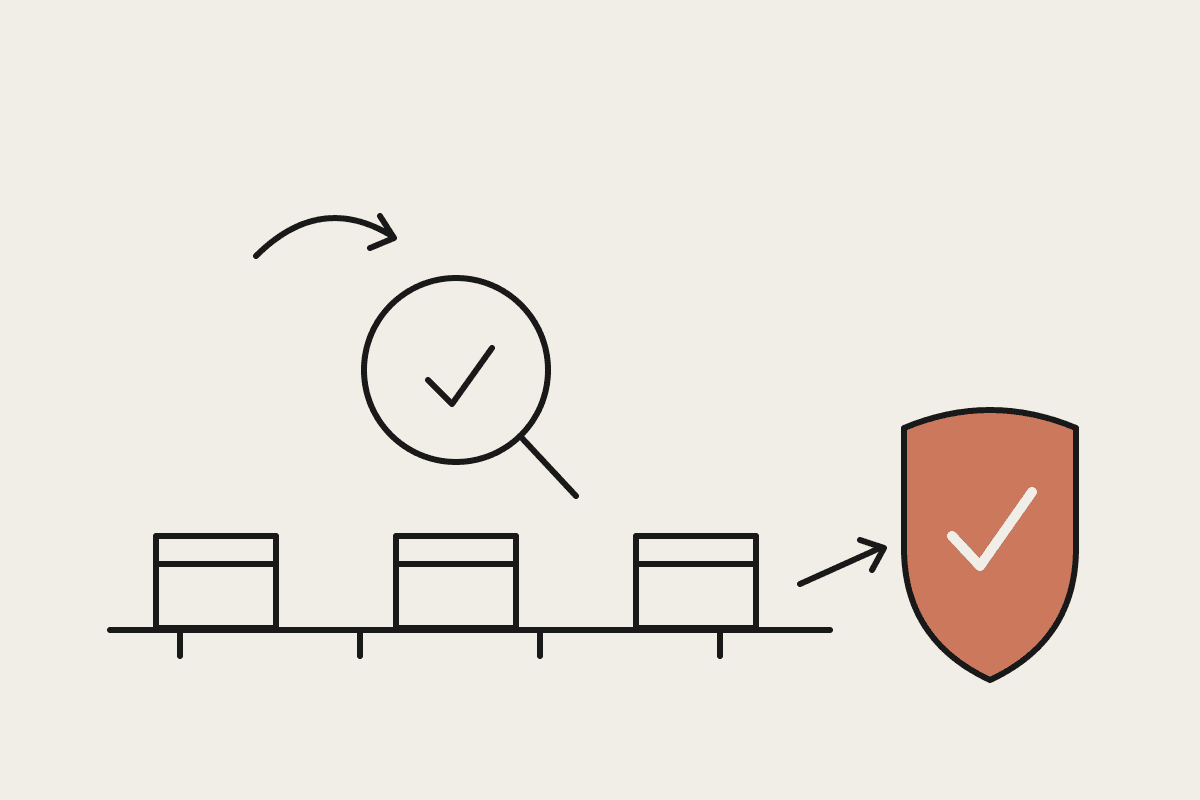
Rebuilding your evaluation set so you can prove the new model is at least as good, not just cheaper.
Updating integrations, guardrails and logging around the new endpoint.
Retraining staff on the new failure modes and quirks the model introduces.
Running both systems in parallel for a stretch, so a bad week does not take down production.
Putting a number on the change
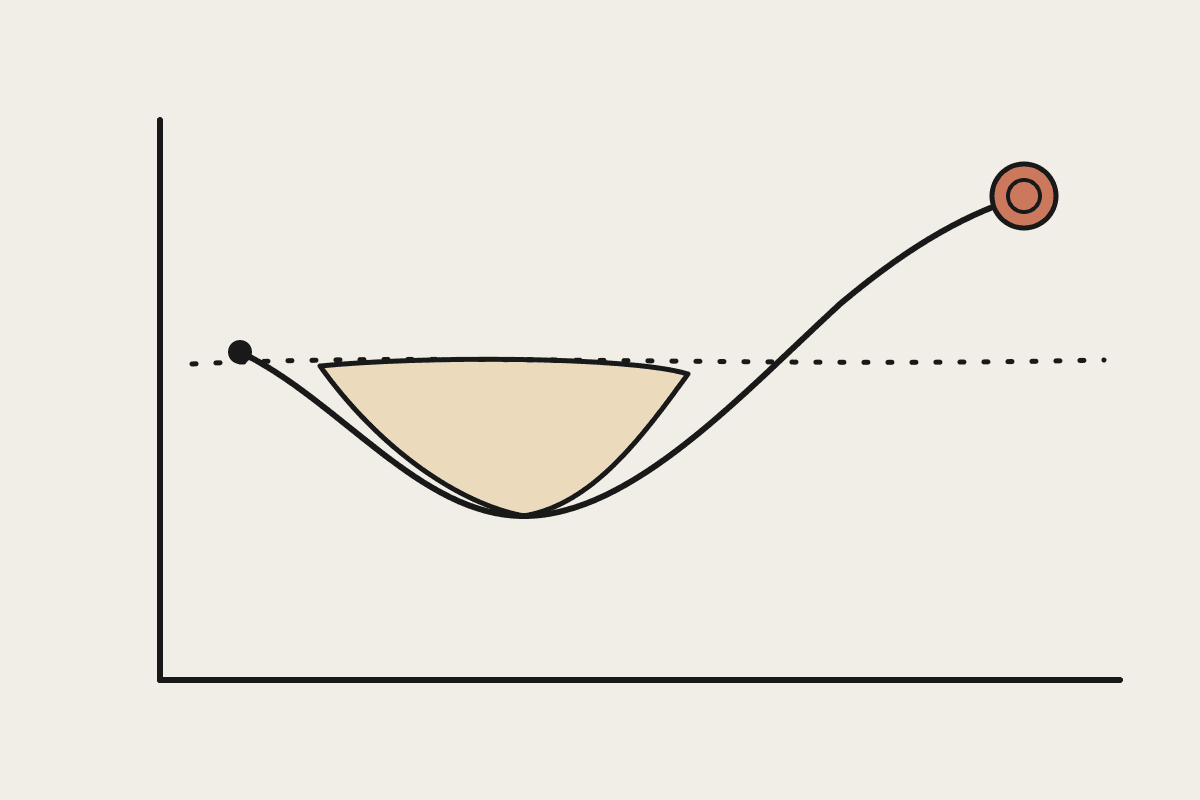
For a small Sydney team, a considered migration usually runs $8,000 to $25,000 in engineering and testing time, plus several weeks where two systems run side by side. If the open-weight model saves $400 a month in inference fees, the payback period stretches past three years. By then the model landscape has moved twice over, and the model you migrated to is no longer the cheapest option either.
We saw a version of this with a Melbourne logistics client earlier this year. Their support team had built a triage workflow around Claude, and a vendor pitched them on an open-weight alternative priced roughly 60% cheaper per call. On paper it looked like an easy win. Once we costed the re-testing, the guardrail rebuild and two months of parallel running, the cheaper model would have cost close to $14,000 to land safely, against an annual saving of about $2,800. The maths only worked if they planned to run that workflow unchanged for five years. They did not switch, and redirected the budget into better prompts for the workflow they already had.
When the switch does make financial sense
Very high volume, where the monthly saving is measured in the thousands of dollars, not hundreds.
A compliance requirement, such as data that must stay on-premises under APRA or an internal residency policy, that rules out a hosted model regardless of price.
A single, simple, stable workload where re-testing is genuinely cheap because the task barely varies.
The hybrid path most Australian SMBs actually take
For most small and mid-sized Australian businesses, the better move is not a wholesale switch. It is a hybrid: keep Claude for the reasoning-heavy work, judgement calls and anything customer-facing, and route a narrow, high-volume task to an open-weight model where the saving is real and the blast radius of a mistake is small. That captures most of the available saving for a fraction of the switching cost, often under $5,000 to set up properly.
It helps to separate the one-off cost from the ongoing one. The migration itself is a project you pay for once. The hybrid arrangement leaves you running and monitoring two systems indefinitely, which carries a small permanent overhead in attention and maintenance. For a business without a dedicated engineer, that ongoing load often matters more than the headline saving on the invoice. A useful rule of thumb: if the projected annual saving is less than double the migration cost, the switch rarely justifies the disruption, and the money is better spent improving the Claude-based workflow you already have.
How to decide before you commit
Before committing to a migration, get a real number on three things: what re-testing will cost in staff hours, what a failed edge case would cost you in a worst week, and how long you actually plan to run the workload unchanged. Most Australian businesses we work with have not costed the first two, so the decision defaults to whichever vendor demo looked cheapest, which is a demo problem, not a business case.
A quick way to sense-check the business case: write down how many calls the workload handles each month, the current monthly fee, and the vendor's quoted saving. Then price two to four weeks of an engineer's time at a fully loaded rate, typically $80 to $150 an hour across Sydney and Melbourne, and add a contingency for the edge case nobody tested for. If that total is more than half of the first year's saving, the switch is marginal at best. If it is more than the full first year's saving, the answer is no, and the more useful project is tightening the Claude workflow you already trust.
A cheaper price per token is not the same as a cheaper year. Before you commit to a migration, book a session and we will estimate the true switching cost for your setup, so the saving you act on is real rather than theoretical.