Every July, Australian business owners sit down with the same spreadsheet: last year's headcount, this year's budget, and a list of roles to fill, freeze, or cut. FY28 planning looks different in a growing number of Sydney and Melbourne businesses we work with this year. Somewhere in that spreadsheet is a new line: "Claude, Agent." Not a placeholder for a future hire. A working line item, with its own cost, its own output, and its own place in the reporting structure. The org chart conversation has changed, and most planning templates haven't caught up yet. This isn't a forecast about some future workforce. It's happening in FY28 budget rounds right now, in businesses with twelve staff and businesses with two hundred.
The org chart question nobody used to have to answer
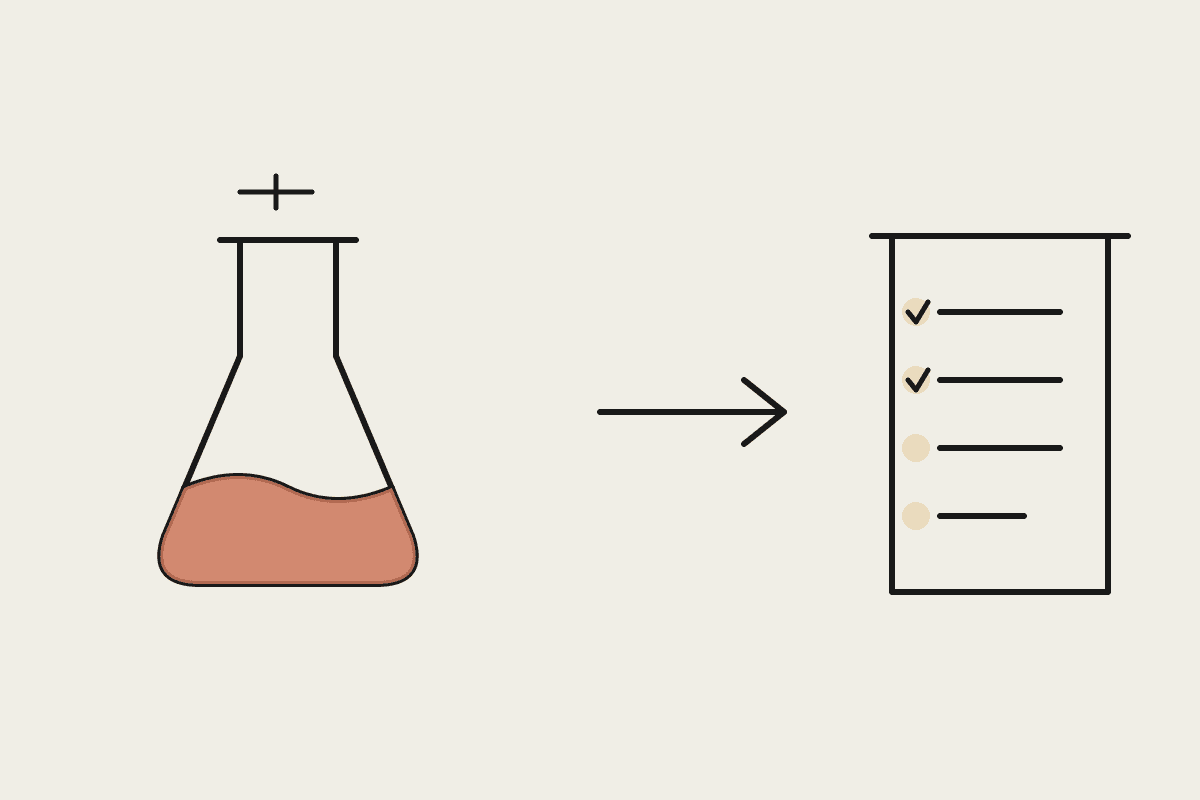
Traditional headcount planning asks one question: what work needs doing, and who do we hire to do it? Adding agents into the mix splits that question in two. First: which parts of this role are judgment, relationships, and accountability, the things that stay with a person no matter what? Second: which parts are pattern-matching against structured inputs: drafting the same three report types every month, triaging inbound requests, reconciling two systems that don't talk to each other, chasing the same category of overdue invoice? For a growing share of Australian operations, admin, and even junior analyst roles, the second bucket is bigger than owners expect once they actually map it out properly. That mapping exercise, done honestly, is the real work of FY28 planning. It isn't "should we use AI." It's "which 30 to 40 percent of this role's tasks belong on an agent line instead of a person line, and which 60 to 70 percent stay exactly where they are."
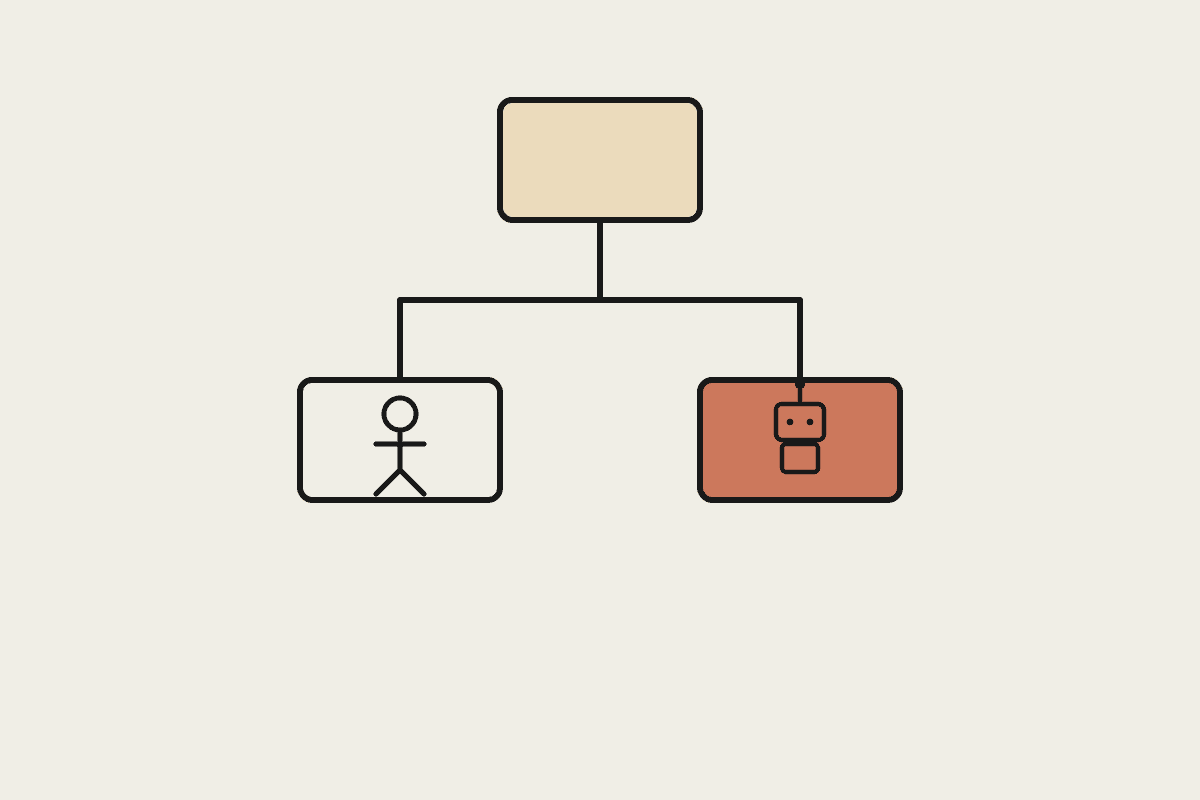
The org chart gains a new node type: agent-run workflows that sit alongside team members, with a named owner accountable for what the agent produces.
Job descriptions get split into judgment tasks and repeatable tasks before a hiring decision is made, not stitched together afterwards to justify one.
Budget conversations move from a single annual salary line to a mix of one-off setup cost, ongoing subscription, and monthly review time.
Onboarding time shrinks sharply on the agent side (days, not the six to twelve weeks typical for a new starter), but oversight time doesn't disappear. It just moves to a different line in the diary.
Putting a number on it: the FY28 business case
Numbers make this conversation easier, so here's roughly what we see across the small and mid-sized Australian businesses we've built agent workflows for over the past year. A full-time junior operations or admin hire in Sydney costs an employer somewhere around $70,000 to $85,000 once superannuation, leave loading, equipment, and onboarding time are all counted properly, not just the advertised salary. A Claude-based agent handling a comparable slice of that role, say invoice chasing, lead triage, or first-pass customer replies, typically costs $8,000 to $15,000 to build properly, plus a subscription cost that's a small fraction of a salary line. That's not a like-for-like swap, and we tell clients that directly. The agent doesn't attend the Friday team meeting, doesn't build the client relationship that turns a one-off job into a repeat customer, and needs a person reviewing its output closely for at least the first few months. But for the narrow, repeatable slice of work it's built for, the FY28 math is hard to argue with: a $12,000 setup against an $80,000 role covering the same three or four tasks is a business case most finance teams can approve in one meeting, not three.
What doesn't change
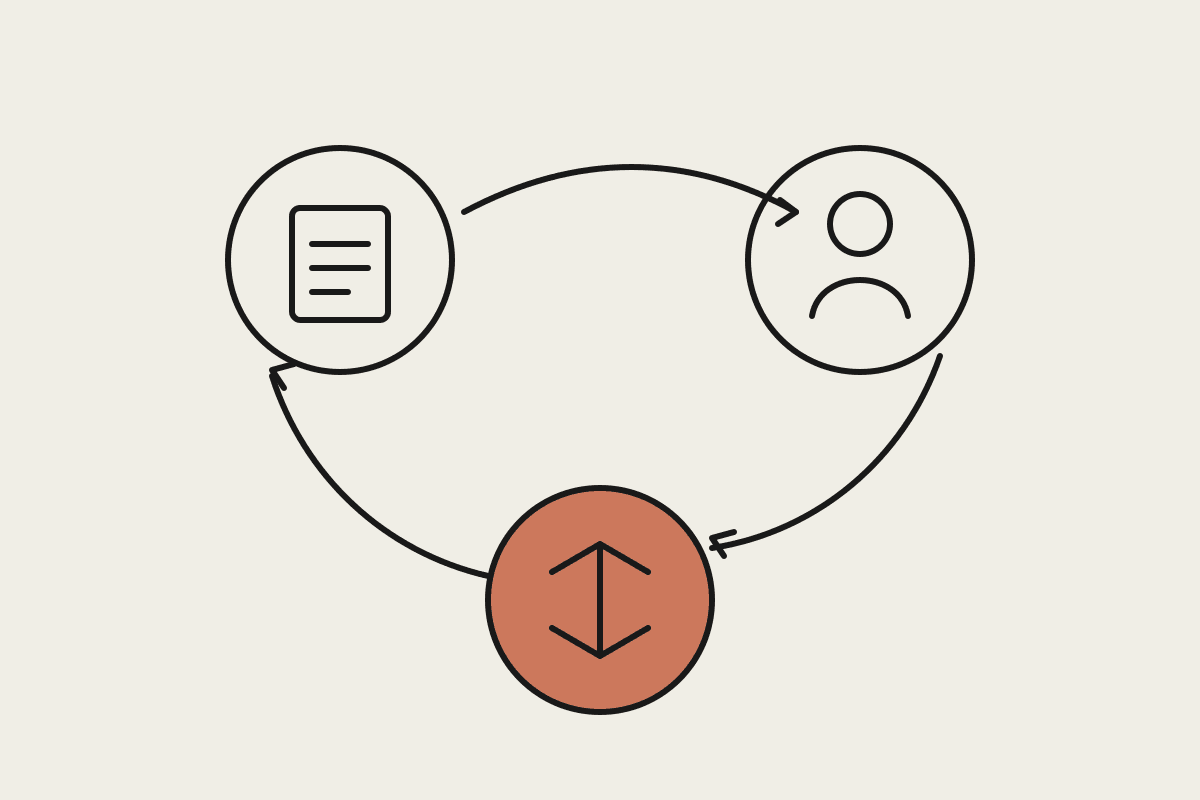
None of this removes the need for governance, and businesses that skip this step are the ones that end up walking an agent back six months later. Every agent workflow we build for a client still has a named human owner, a documented review step, and clear rules about what it's allowed to touch: customer data handled under the Privacy Act, financial records that need a second set of eyes before anything moves, anything client-facing that could damage a relationship if it gets something wrong in front of a customer. The businesses getting the most out of FY28 agent planning aren't the ones cutting headcount the fastest. They're the ones being precise about which slice of a role moves to an agent, keeping an accountable person genuinely in the loop, and revisiting that split every quarter as the agent's track record builds.
Name a human owner for every agent workflow before it goes live, not after something goes wrong and someone has to explain it.
Keep a documented review step for anything touching customer or financial data, and check it's actually being followed at the three-month mark.
Revisit the human/agent split every quarter. What's safe to automate in month six is usually a wider slice than what was safe in month one.
If your FY28 planning round is stuck on which roles to freeze, split, or fill, that's often a sign the org chart needs an agent line before it needs another hire. We map the judgment-versus-repeatable split for a specific role or team, then build and test the agent workflow before it touches a live customer, so the business case is proven before it's in front of the board. Book a session if you want a second opinion on where that line should sit for your team.