The Model Context Protocol lets an AI model talk to your systems through one standard interface. A server built well can serve Claude today and an open model next year without a rewrite. For an Australian business, that portability is worth designing for on purpose, because the model you start with is rarely the model you finish with. The pace of releases in 2026 makes that almost a certainty rather than a risk worth hedging.
What an MCP server actually does
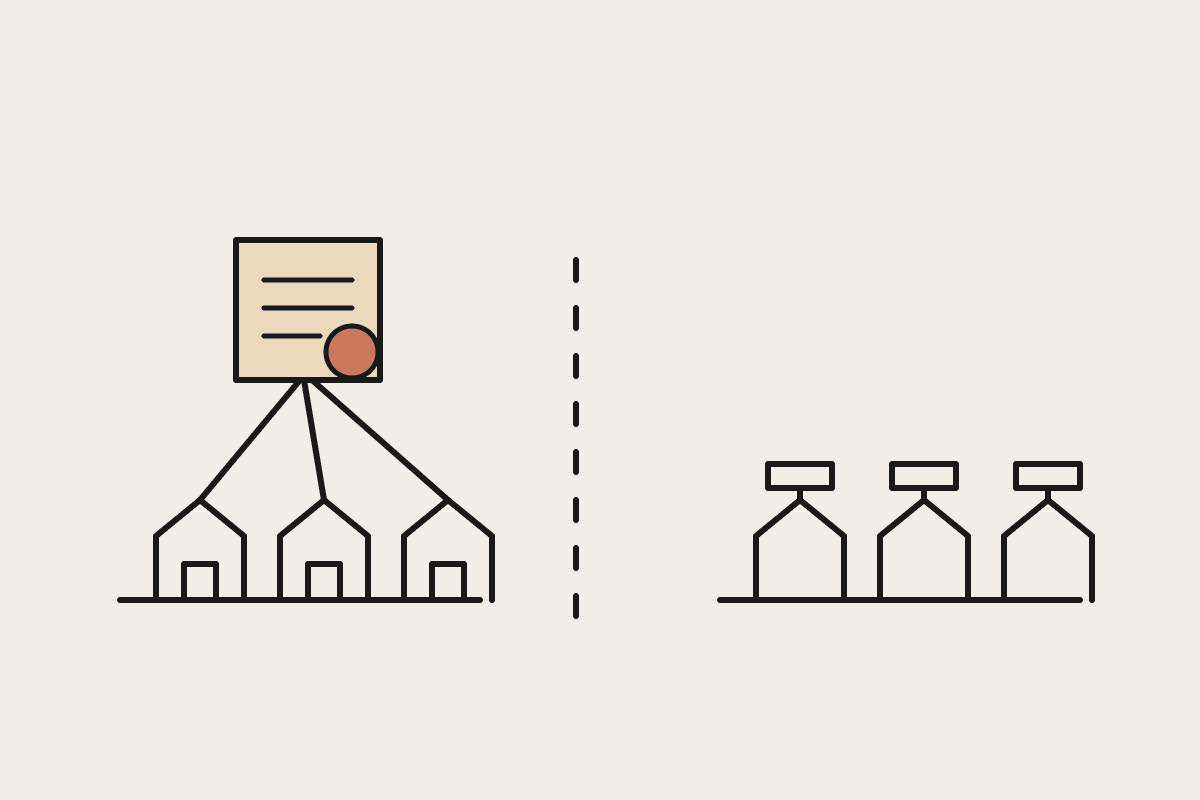
An MCP server sits between a model and your tools. It is the part that decides what the model is allowed to see and do, and a clean version of it keeps the whole system maintainable as it grows. Think of it as the contract your business logic signs with whatever model is on the other end, rather than a feature bolted onto one vendor.
Exposes your data and actions as model-callable tools with clear inputs and outputs
Handles authentication and access control so the model never holds raw credentials
Keeps a firm boundary between the model and the systems it can reach
Centralises the logic so your prompts stay short and your rules stay in one place
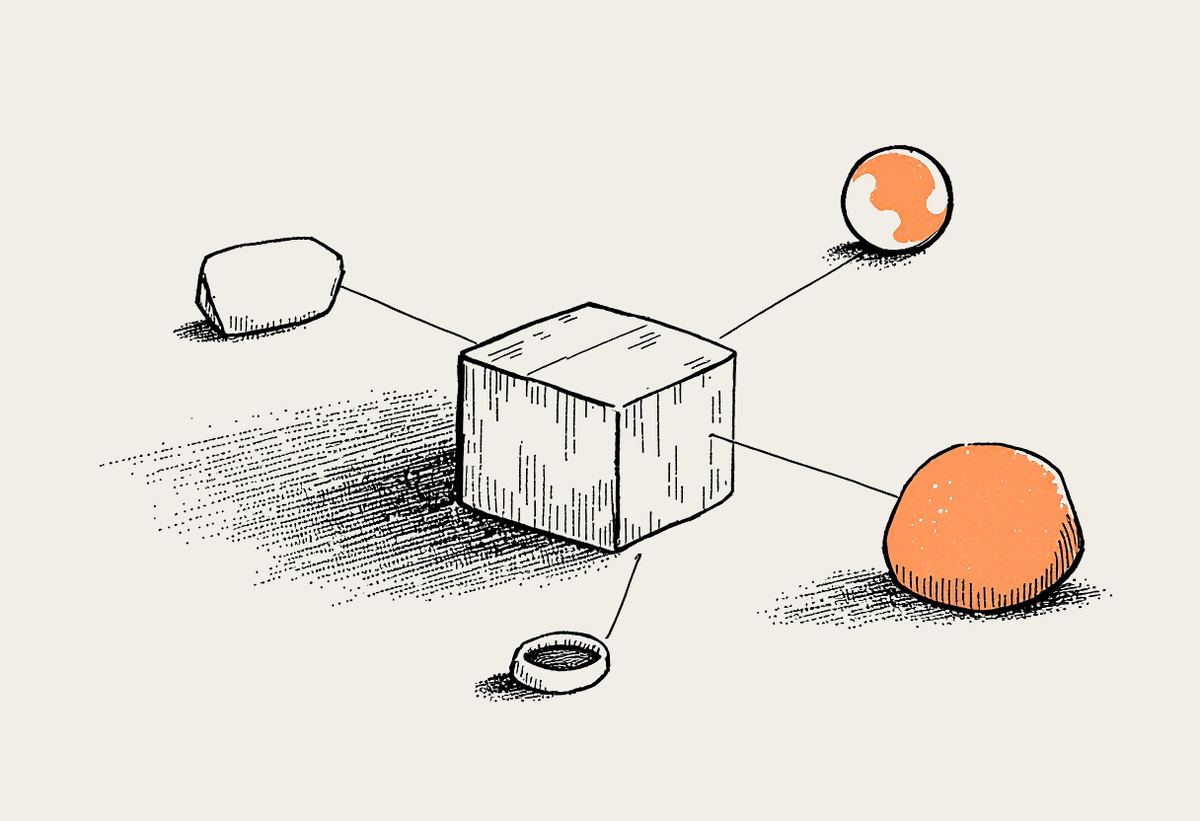
Done this way, the server becomes the stable core that outlives any single model you connect to it, and the part of the system you actually own.
Designing for portability from day one
Portability is not an accident. It comes from a handful of deliberate choices made early, while the build is still cheap to shape. The goal is a server that treats the model as one replaceable part rather than the foundation everything else rests on. Retrofitting that later is far more expensive than building it in from the start.
Keep business logic inside the server, not buried in long model-specific prompts
Avoid relying on quirks that only one model happens to support
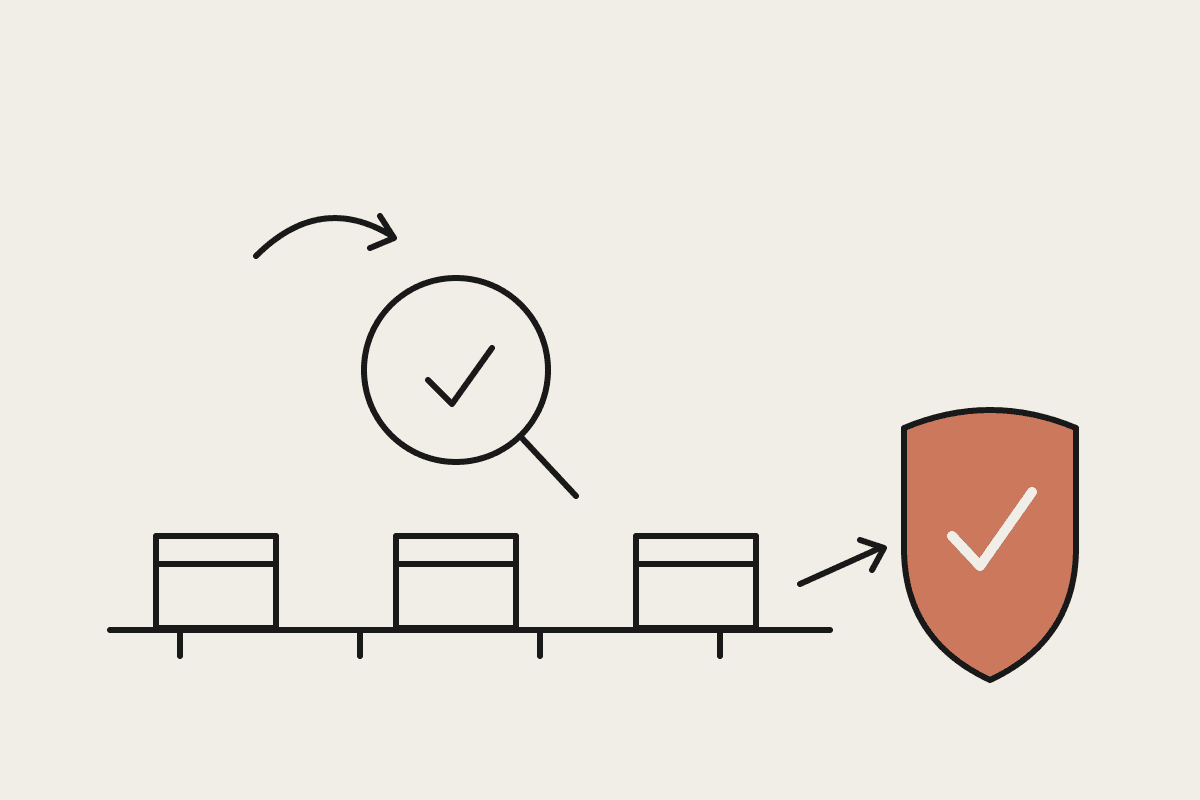
Test the server against more than one model from the first week
Version your tools so a change does not quietly break existing clients
None of these add much to the build cost. They simply stop you from welding your business to a model you may want to leave behind once the pricing or the capabilities shift.
Why portability has a dollar value
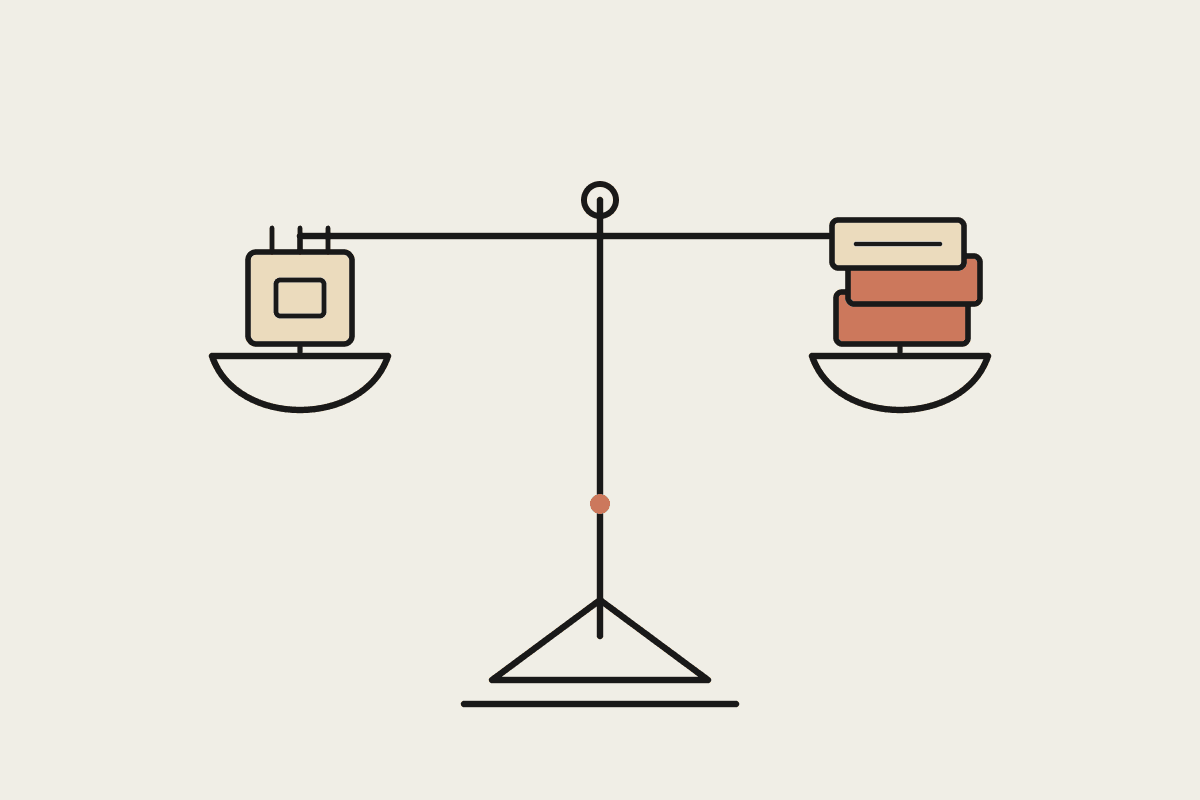
A solid MCP server for an Australian SMB typically costs $15,000 to $40,000 to build, depending on how many systems it touches and how strict the access rules need to be. That is real money, and the point of designing for portability is to protect it. A server tied to one model is written off the day that model is retired or repriced. A portable one keeps working through every change, which means the spend buys an asset rather than a disposable script.
Treat the server as the durable layer and the model as a swappable component
Price the build against the years it will run, not the first month
Test against the models you might realistically move to, including open ones
For a Sydney team weighing the cost, this framing usually settles the argument. The build is worth more when it survives the next model than when it merely works with the current one.
Handling data and access the right way
Portability is not only a technical concern. The server is also where your obligations under the Privacy Act are met or missed, because it is the single point every request passes through. Putting access control, logging, and data rules in the server, rather than scattering them across prompts, gives you one place to audit and one place to fix when something needs to change.
Log who asked for what, so access can be reviewed later
Keep personal and sensitive data behind explicit, named tools
Make the same controls apply no matter which model is connected
This keeps your compliance story steady even as the model underneath changes, which is exactly the kind of stability an Australian business wants when customer data is involved.
A practical build sequence
A portable MCP server does not need to be complicated to build, but the order of work matters a great deal. Start with the smallest set of tools that delivers value, prove them against two different models, then widen the surface once the boundaries hold. This keeps early cost low and avoids committing to a design before it has been tested against real requests from a real model.
Begin with a narrow, high-value set of tools rather than everything at once
Prove the server against Claude and one open model before expanding it
Add systems and tools in versioned steps, testing the access rules each time
Keep a short record of what each tool does, for the next person who touches it
For an Australian SMB, this sequence turns a large, risky project into a series of small, checkable ones, and it means the server earns its keep well before the full build is finished.
We build MCP servers for Australian teams with Claude as the primary target and real portability designed in, so the work keeps its value as the field moves. Book a brainstorm and we will map the build to the systems you already run.