Every few weeks an Australian business owner asks us a version of the same question: can Claude write our legal documents, and can we trust what comes out? The short answer is that Claude is very good at producing first drafts and plain-English explanations, and it is not your lawyer. The distance between those two things is where the risk lives. This piece covers what Claude can safely do with legal paperwork, where the legal line falls in Australia, and how we set the workflow up for clients so a draft saves real money without creating a liability.
The short answer, and the honest caveat
So can AI write legal documents? Yes, in the practical sense that Claude can produce a competent first draft of a standard agreement, a non-disclosure agreement, a services contract, a privacy policy or a formal letter, and it can do it in minutes rather than days. It can also read a contract someone has sent you and explain, in plain English, what each clause actually means and what it commits you to.
What Claude cannot do is tell you whether that document is right for your situation, your jurisdiction and your risk appetite. That is legal advice, and in Australia only a qualified legal practitioner can give it. Treat everything Claude produces as a strong starting point that a person still has to check. Nothing in this article is legal advice either. It is general information about a workflow, and you should confirm anything specific with a lawyer before you rely on it.
What Claude does well with legal documents
The tasks where Claude reliably earns its keep are the ones that are structured, repetitive and language-heavy. In our client work, these are the common wins:
First drafts of standard agreements from a plain-English brief, so your lawyer edits rather than starts from a blank page.
Plain-English summaries of a contract you have been sent, with the obligations, termination rights and payment terms pulled out clearly.
Comparing two versions of a document and listing exactly what changed between them.
Turning a signed template into a reusable checklist your team can actually follow.
Extracting key dates, renewal clauses and liability caps from a stack of existing agreements.
None of these replace legal judgement. All of them remove hours of first-pass reading and typing, which is where a surprising amount of legal cost quietly accumulates.
Where the legal line sits in Australia
The important distinction is between legal information and legal advice. Explaining what an indemnity clause generally does is information. Telling you whether to accept the indemnity in your specific contract is advice. Providing legal advice without being a qualified practitioner is unqualified legal practice, which is regulated by each state legal services commissioner and is a genuine compliance problem, not a grey area you can argue your way around.
There is a second line that matters just as much: privacy. Legal documents are full of names, financial details and commercial terms. Under the Privacy Act and the Australian Privacy Principles, you are responsible for how that personal information is handled. That means being deliberate about which tool you paste a contract into, where the data travels, and whether it is retained. This is one reason we lead with Claude for regulated work, because Anthropic offers enterprise terms where customer inputs are not used to train models. That is the baseline a Sydney law firm or an ASIC-regulated business should insist on before any document touches an AI tool.
A practical workflow, and what it saves
Here is the maths that makes this worth doing. A commercial lawyer in Australia typically bills somewhere between $450 and $600 an hour. Drafting a standard services agreement from scratch might cost you $2,500 by the time it is negotiated and finalised. If Claude produces the first draft against your brief and your lawyer reviews and corrects it, that same job can drop to around $500 of billed time. You are not removing the lawyer. You are moving them from author to editor, which is the cheaper and safer role for them to play.
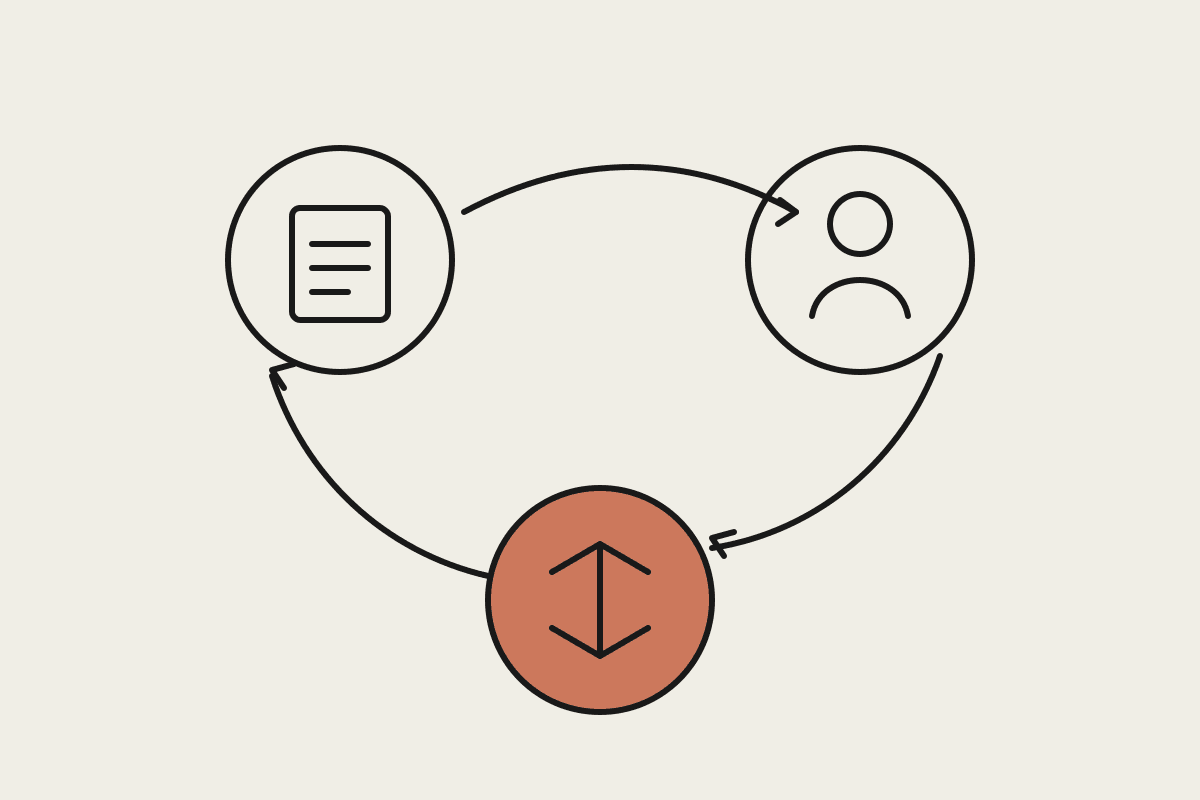
The workflow we recommend to clients looks like this:
Write a clear brief: parties, purpose, key terms, term length, jurisdiction and anything non-standard.
Have Claude draft the document, then ask it to explain any clause you do not understand.
Read it yourself and mark anything that looks wrong, one-sided or unclear.
Send the draft plus your notes to a qualified lawyer for review before anyone signs.
Save the reviewed, approved version as your template for the next time you need it.
Run that loop a dozen times and the template library you build becomes more valuable than any single document, because the expensive review only has to happen once per agreement type.
The guardrails we set for clients
Speed without guardrails is how a business ends up signing something it did not understand. The controls we put in place are simple and non-negotiable:
A human always reviews before signing. No exceptions for anything that creates a legal obligation.
A lawyer reviews anything material: contracts with real money attached, employment terms, or anything touching liability.
Client and personal information only goes into tools with enterprise privacy terms, never a consumer chatbot.
Every document records who drafted it, who reviewed it and which version is final.
Jurisdiction is checked explicitly, because a template written for one Australian state may not suit another.
With those in place, Claude becomes a fast and reliable drafting assistant that shortens the slow part of legal work while a qualified person keeps the judgement where it belongs. If you want help setting up this kind of workflow safely for your business, book a brainstorm with us and we will map it to how your team actually works.