MYOB runs the books for hundreds of thousands of Australian small businesses. Claude is the AI assistant more of those businesses are now putting to work beside it. The two do not share an official button-to-button connector yet, so the useful question is not whether they integrate, but where each one earns its place in a real workflow. This guide covers what genuinely works in 2026, what needs a developer, and what should stay under human control.
Where Claude and MYOB actually fit together
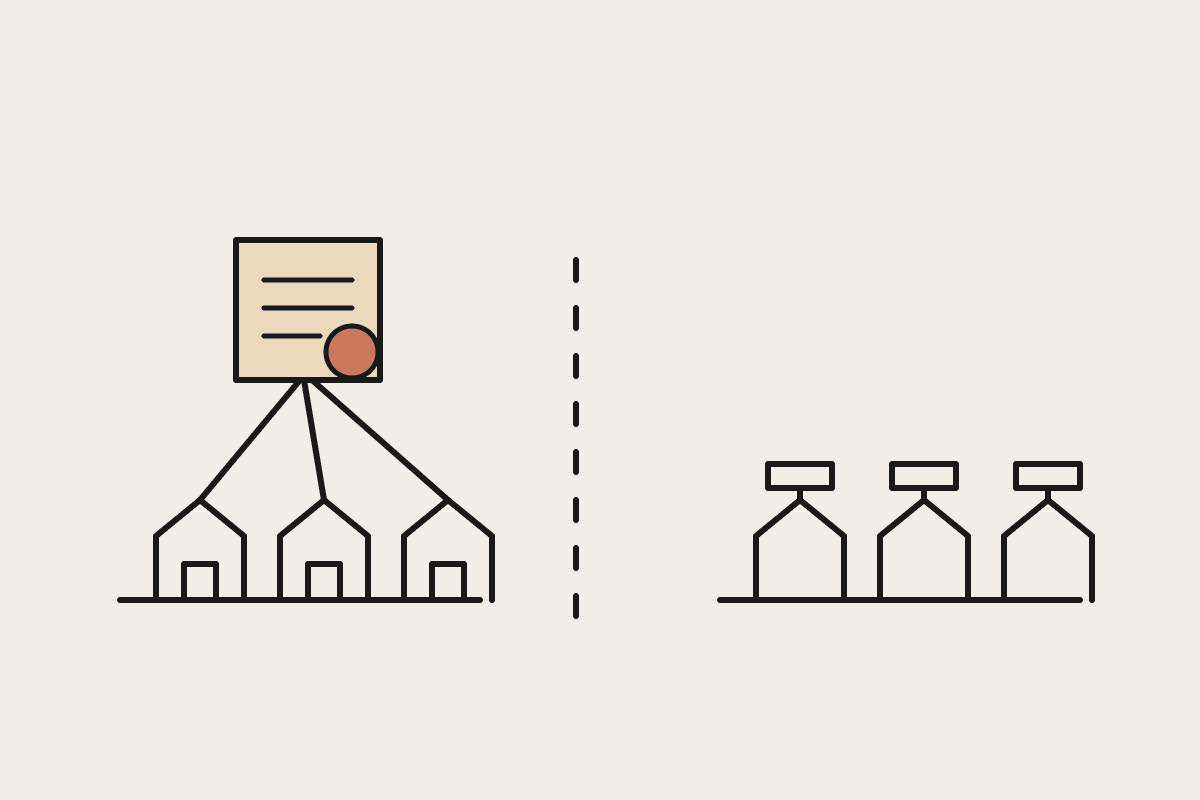
Think of MYOB as the system of record and Claude as the assistant that reads, drafts, and explains around it. MYOB holds the ledgers, invoices, payroll, and Business Activity Statement data. Claude is strong at turning that data into plain language, spotting patterns, drafting the emails and notes that sit around the numbers, and preparing the repetitive work a bookkeeper would rather not do by hand. Kept in those lanes, the pairing is dependable today without any custom software.
The honest caveat: Claude does not natively log in to your MYOB file. You bring the data to Claude, usually as an export or through a developer-built link to the MYOB Business API. Once you accept that, the practical wins are easy to reach.
What works today with no engineering
These are tasks a business owner or bookkeeper in Sydney can hand to Claude this afternoon, using nothing more than exports from MYOB:
Chasing debtors. Export your aged receivables and Claude drafts a tailored reminder for each overdue account, with the tone matched to how reliably that customer usually pays.
Explaining the numbers. Paste a profit and loss or cash flow report and Claude returns a short plain-English summary an owner can actually read, with the three figures that moved most called out.
Cleaning up transaction coding. Give Claude a list of uncategorised bank transactions and it suggests an account code for each, which a person approves before it goes back into MYOB.
Month-end and BAS prep checklists. Claude builds a repeatable close checklist tuned to your business so nothing is missed before you lodge.
Turning receipts into data. Hand Claude a batch of supplier invoices and it extracts the supplier, date, amount, and GST into a clean table ready to review.
Writing the procedures. Claude drafts the standard operating procedures for your bookkeeping team so the process survives staff turnover.
None of this needs an API key. A part-time bookkeeper charged at $45 an hour who spends six hours a week on debtor letters and coding is roughly $14,000 a year of time. Moving the first-draft work to Claude, with the bookkeeper reviewing rather than typing, is where the early return shows up.
What works with a developer and the MYOB API
When you are ready to remove the copy-and-paste step, MYOB exposes the MYOB Business API and the AccountRight API. A developer can connect these to Claude so the assistant reads live data instead of a stale export. Small builds that pay off:
A weekly cash position summary that pulls receivables and payables straight from MYOB and lands in your inbox every Monday.
A quote-to-invoice helper that drafts invoices from won quotes and flags anything priced below your usual margin.
An anomaly watch that reads new transactions and privately flags the ones that look unusual for a person to check.
A tidy integration like this is typically a few days of work, in the range of $6,000 to $18,000 depending on scope. For a business already paying an MYOB Business subscription from around $30 a month, the software licence is not the cost that matters. The staff time it gives back is.
Where to keep a person in the loop
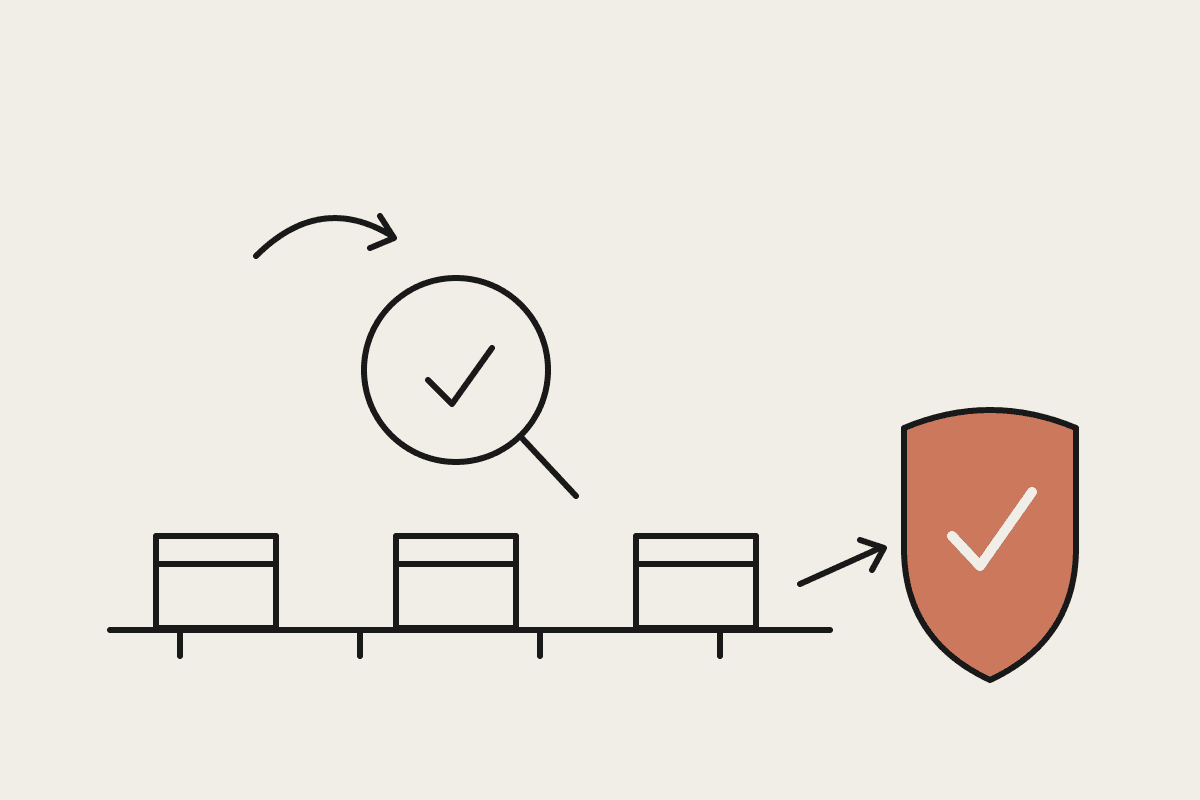
The line to hold in 2026 is simple: Claude prepares, a person decides. Some parts of the MYOB workflow carry real consequences if they go wrong, and those should never run unattended.
Payroll and Single Touch Payroll. Employee pay and the STP report to the ATO must be checked by a person. Wage and superannuation errors are costly and slow to unwind.
Lodging the BAS. Claude can prepare and sanity-check the figures, but the lodgement itself is a compliance act that a human or registered BAS agent signs off.
Sensitive data. Payroll files hold tax file numbers and personal details covered by the Privacy Act. Decide what data leaves MYOB and keep it to the minimum Claude needs.
Any final number. Claude can misread or invent a figure. Every amount it produces should be reconciled against the MYOB source before it is trusted.
A sensible first step
Pick one painful, low-risk task and run it beside your normal process for a fortnight. Debtor chasing is the usual starting point: the wins are visible, the downside of a slightly awkward draft is small, and a person sends every message anyway. Once that is saving hours, add the next task. Businesses that start narrow and widen slowly get far more out of the pairing than those that try to automate the whole ledger at once.
If you want a second opinion on which MYOB tasks are worth handing to Claude first, book a short brainstorm with our team and we will map it to how your business runs.