Ask a client-facing AI tool a question and get back a confident, wrong answer, and that client's trust is gone for good. That's the exact failure mode the Claude Citations API is built to close. Instead of asking Claude to paraphrase a document and hoping the paraphrase holds up, you feed it structured source content and get an answer where every claim is tied back to the passage it came from. For any business putting an AI assistant in front of a client, that's the difference between a tool people trust and one they quietly stop using.
What the Citations API Actually Does
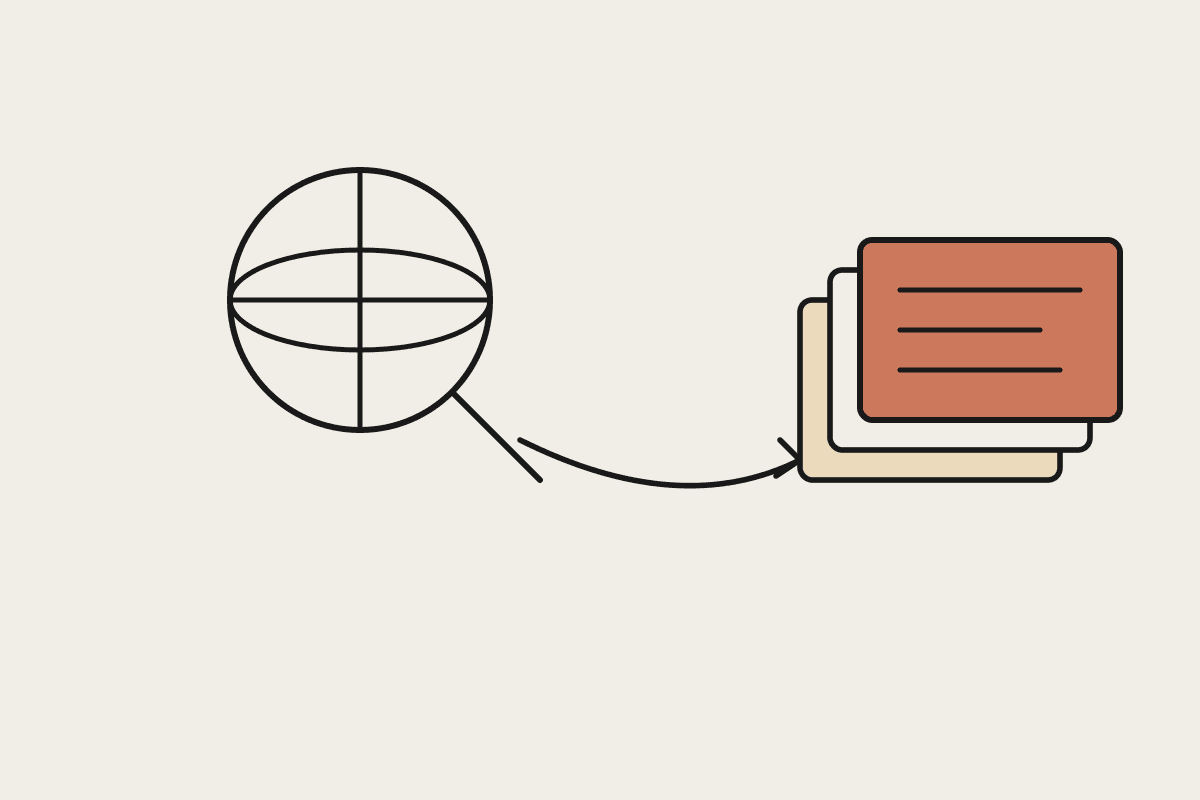
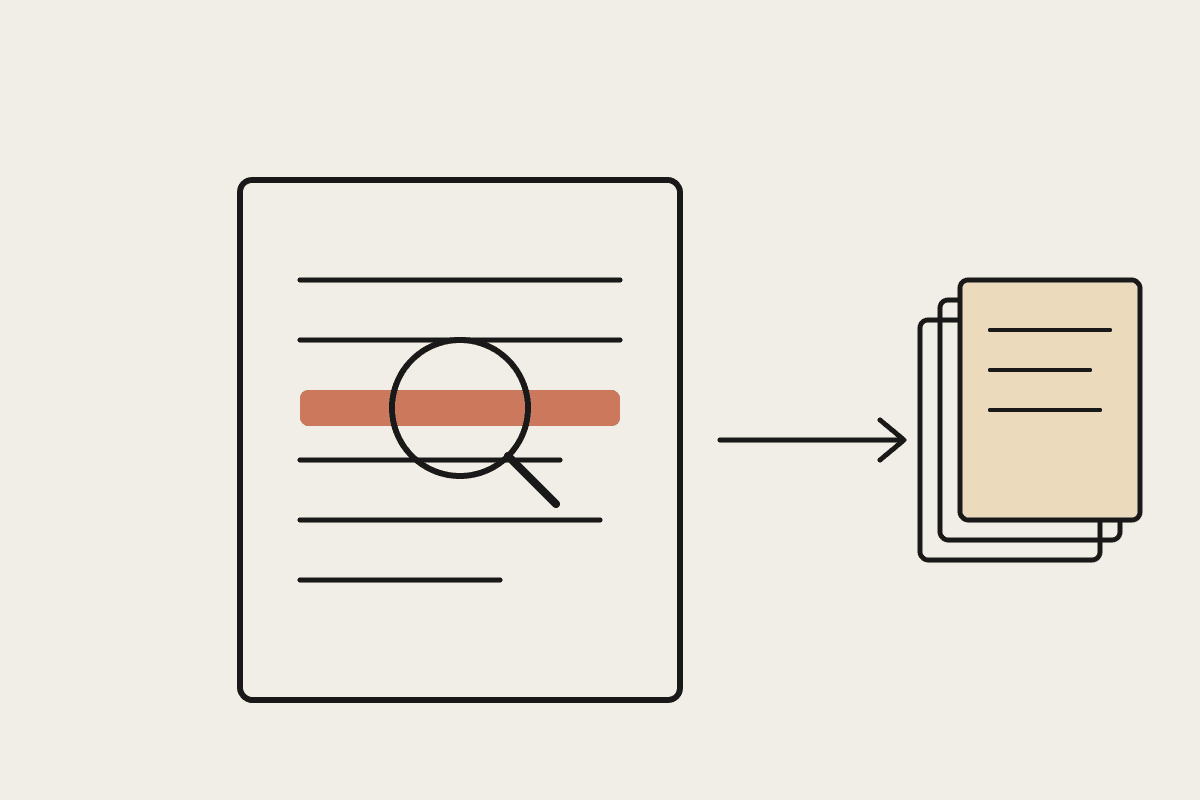
You pass documents into the API as structured content blocks, whether that's plain text, PDF pages, or custom-chunked source material, and mark them as citable. When Claude answers, the response comes back with each factual claim mapped to the specific passage and document it drew from, down to the sentence level in most cases. There's no separate prompt asking Claude to 'please cite your sources' and hoping it complies. The grounding is structural, not a suggestion, which is what makes it usable in a tool a client actually relies on rather than a demo you show once and quietly retire. It supports multiple source documents in a single request too, so an assistant can pull from an engagement letter and a policy PDF in the same answer and still tell you which claim came from which file.
Why Grounded Answers Matter for Client-Facing Tools
Internal tools can tolerate a wrong answer once in a while, someone catches it and moves on. Client-facing tools can't. A few scenarios where ungrounded answers turn into real liability:
An accounting firm's client portal gives advice that contradicts current Privacy Act obligations, and the client acts on it.
A real estate agency's chatbot misquotes a contract clause to a buyer during due diligence.
An NDIS provider's support assistant states a policy that was updated two versions ago and no longer applies.
A legal-adjacent tool paraphrases a clause instead of quoting it, and the paraphrase changes the meaning.
A support bot answers confidently from training data instead of the current knowledge base, and nobody notices until a client does.
With citations wired in, every one of those answers ships with a pointer back to the exact source line. A reviewer, or the client themselves, can check the claim in seconds instead of taking it on faith. That single change shifts the tool from 'trust the AI' to 'verify the AI,' which is a much easier sell to a risk-averse client base.
How the Citation Data Reaches the Front End
The API returns citation spans as structured data alongside the answer text, not as inline markdown you have to parse. Most of our builds render that as small numbered footnotes the client can click to jump to the underlying passage, or as a highlight that appears when they hover over a claim. Neither approach requires much custom front-end work once the API response is wired up. The harder design decision is what happens when Claude can't find a supporting passage for part of an answer. The right default is to have the tool say so explicitly rather than filling the gap with an unsupported claim, even if that makes the answer feel less complete.
Where We're Seeing It Used in Australian Builds
The pattern shows up across most of the industries we build for. An accounting firm wants a client-facing assistant that answers questions against its own engagement letters and ATO guidance notes, with every answer traceable to the source document for the reviewing accountant. A property manager wants tenants to be able to ask about lease terms without a human reading the whole agreement each time. An allied health provider in Sydney wants staff to query internal policy documents during a client call and be confident the answer reflects the current version, not last year's PDF. In every case the value isn't the answer itself, it's the fact the answer is checkable.
What It Costs to Build
For a scoped, single-corpus assistant, citation grounding on a document set of a few hundred pages, expect a build in the $8,500 to $15,000 range including testing against edge cases and a review pass on citation accuracy. Where the corpus is larger or spans multiple systems (a CRM plus a document store plus policy PDFs), the build moves closer to $30,000 to $45,000, mostly because of the retrieval and chunking work upstream of the API call, not the citation feature itself. Ongoing token costs are modest compared to that build cost, source documents add to the input context, but for most Australian SMB-scale knowledge bases that's a manageable line item, not a blocker to getting started.
Implementation Notes
The biggest mistake we see teams make is reaching for a full vector database before checking whether they need one. If the source corpus is a few hundred documents, passing relevant chunks directly as cited content blocks is simpler to build, cheaper to run, and easier to debug than standing up embeddings infrastructure. Save the retrieval layer for corpora that genuinely won't fit in context. The second common mistake is treating citations as a nice-to-have interface flourish rather than a compliance control. Once it's in the tool, route flagged or low-confidence citations to a human review queue instead of publishing them straight to the client, at least until the tool has a track record.
If you're weighing up whether a citation-grounded assistant is worth building for your practice, book a 30-minute scoping call and we'll map the source documents you'd actually ground it against before anyone writes a line of code.