Most of the value people get from Claude Cowork is not the dramatic stuff. It is the quiet, recurring admin that runs while nobody is at the keyboard: the Monday brief that is ready before you open your laptop, the overdue-invoice list waiting on a Tuesday, the end-of-month collation that used to swallow an afternoon. Scheduled tasks are how that happens, and running them well is more about operational discipline than clever prompting. This post is what we have learned doing it for real.
What scheduled tasks actually are
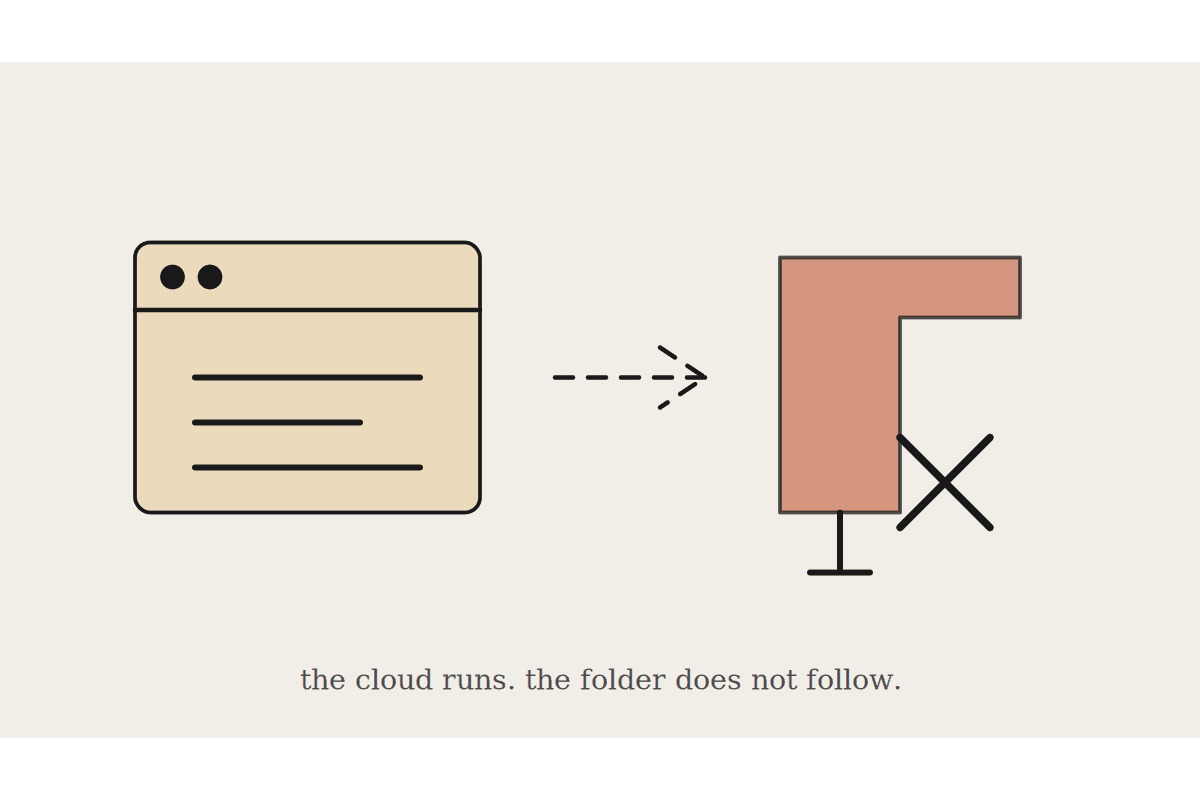
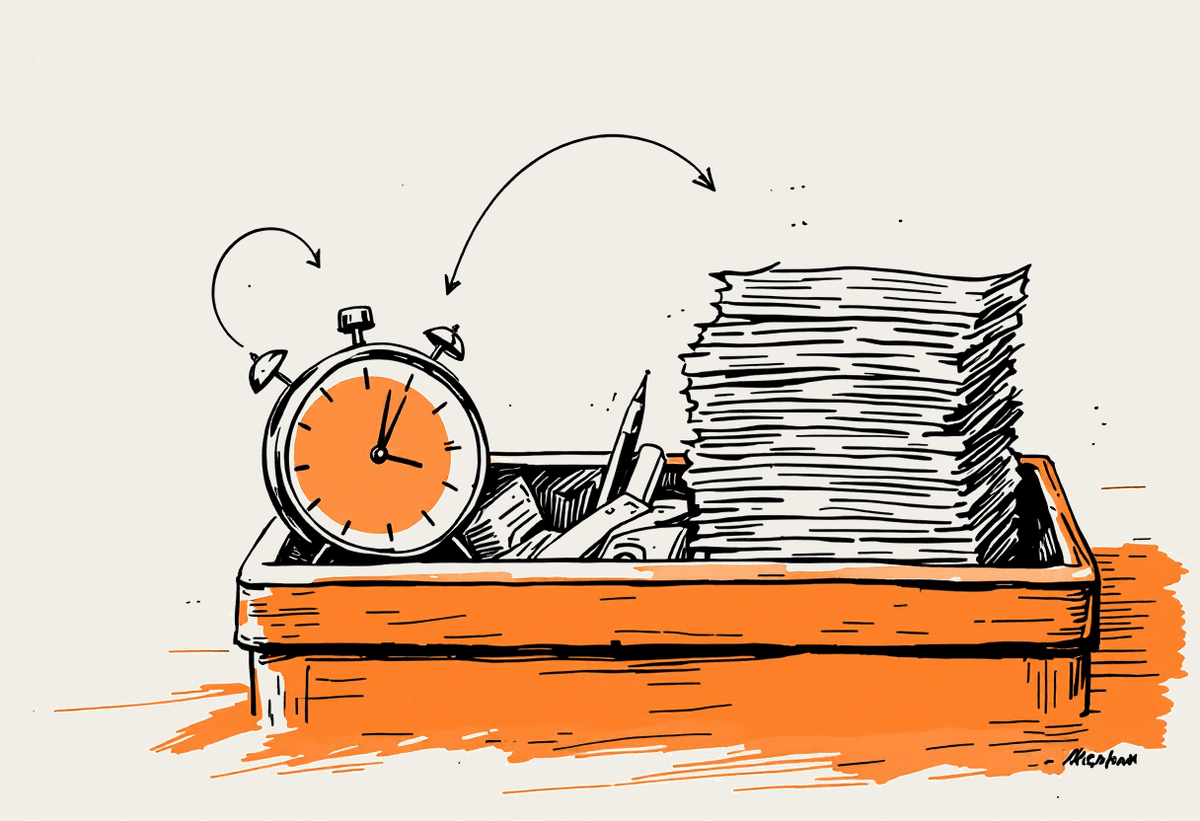
A scheduled task is a piece of work Cowork runs on a timetable without a human present: every morning, each Monday, the 25th of the month. The task runs with the same folder and connector access as your interactive sessions, so it can read the same files and systems you would, and the results are sitting there when you arrive. Think of it as a reliable junior who comes in before everyone else and lays out the day's groundwork.
What to automate first
The temptation is to automate the most impressive thing. Resist it. Start with work that is recurring, low-judgement, and annoying, because that is where the payback is fastest and the risk is lowest.
Recurring briefs: a Monday business snapshot, a Friday wrap-up. Short, scheduled reads that mean you start and end the week informed without assembling anything by hand.
Watching jobs: inbox triage flags, overdue invoice lists, pipeline staleness checks. These surface things that need attention rather than acting on them.
Production jobs: weekly reports, content queue processing, routine data tidying. The repetitive output work that eats coordinator time.
Design rules learned in production
Here is where the operational lessons live. A scheduled task that runs unattended can fail unattended, and the failures are sneaky because nobody is watching in the moment. These rules keep autopilot honest.
Make failure loud. Every run should log somewhere a person actually looks. A task that fails silently for three weeks does quiet damage that is expensive to unwind.
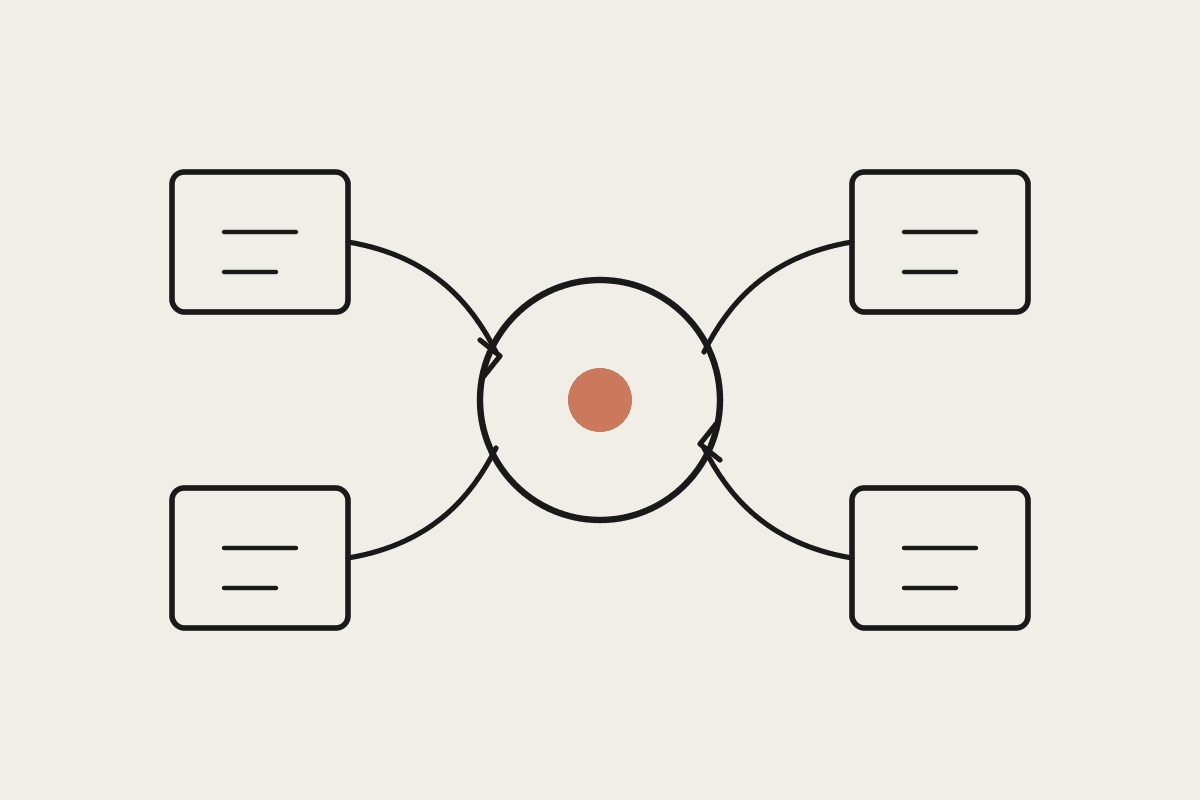
Append to one canonical log per job. Scattering output across new files each run makes it impossible to see at a glance whether the job is healthy.
Idempotence matters. A re-run must not duplicate yesterday's work. Design each task so running it twice is harmless.
Keep schedules honest. A burst-mode cadence left running becomes noise. Review how often each task runs about once a month and trim what has drifted.
Separate the watcher from the actor. A task that flags is safer than a task that acts. Earn trust with watching jobs before you let anything change things on its own.
A worked example helps. We run our own blog publishing on a scheduled task. It checks a queue, and when there is work due it writes a post, runs it through a written validator, and publishes it, logging every run to one canonical file per day. When the queue is empty it records a no-op rather than inventing work. That last detail matters more than it sounds: a task that does nothing gracefully is far safer than one that strains to look busy. The whole thing is unglamorous and it has not missed in weeks.
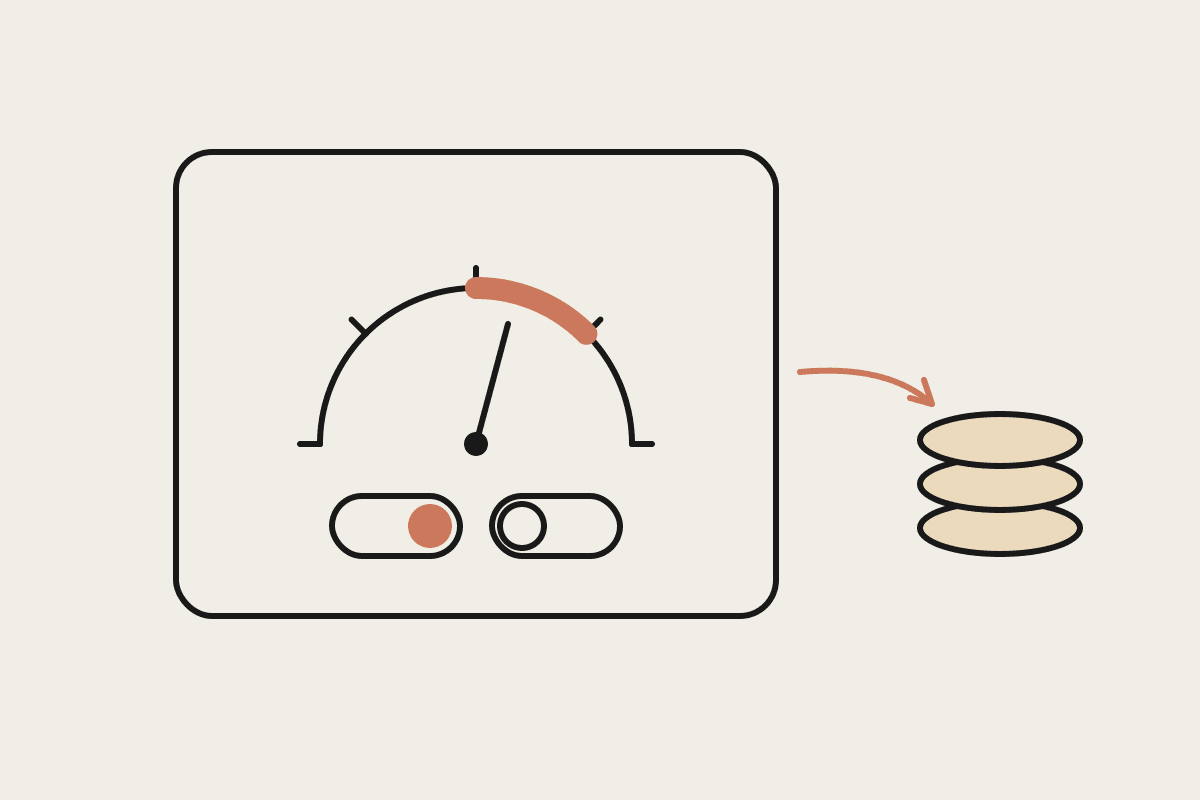
The other lesson is to start the schedule conservatively. It is tempting to run a new task every few minutes so you see results quickly, but a tight cadence left in place becomes a stream of near-identical runs that bury the one that matters. Begin with a daily or weekly rhythm, watch the log for a fortnight, and tighten only if there is a real reason. Most admin work does not need to run more than once a day, and pretending otherwise just creates noise for the owner to wade through.
What this replaces in an Australian SMB
Put numbers on it. The Monday report assembly, the invoice chase list, the end-of-month collation: in a typical Australian small business that is four to eight hours a week of coordinator time. At local admin salaries that is worth roughly $10,000 to $20,000 a year, redirected from copy-and-paste coordination to work that needs a human's judgement. The hours were never the valuable part. The attention they consumed was.
Guardrails for autonomous runs
Autonomy without limits is a liability, so we hold scheduled tasks to the same boundaries as the rest of our setup.
No client-facing sends from scheduled tasks. They produce drafts; a person approves anything that leaves the building.
Scoped folder access, the same as interactive work, so a task can only touch what it needs.
A named owner who reviews the log weekly, because an unowned automation is one nobody notices breaking.
Scheduled task design is part of how we run a Claude Cowork implementation, because the difference between a helpful autopilot and a quiet liability is entirely in the operational detail. If you want your recurring admin running itself by next month, book a call and we will design the first few tasks with you.
Where to go next
If you are setting Cowork up from scratch, start with Claude Cowork setup guide. Two pieces that sit closest to this one: