Packaging an asset finance deal for submission is repetitive work dressed up as skilled work. A broker in Parramatta or Geelong pulls BAS statements, financials and an asset invoice into a lender's preferred format, checks the numbers tie out, writes a cover note explaining the deal story, and chases whatever document is still missing. None of that requires judgement so much as it requires time, and time is the one thing a busy broker running forty deals a month does not have.
Claude does not replace the credit judgement a broker brings to a deal. It removes the clerical layer sitting underneath that judgement: extracting numbers from PDFs, drafting the borrower request, building a submission-ready summary, and keeping a record of what changed and when.
Most Australian brokerages already run three or four disconnected systems to get one deal out the door: a CRM for the pipeline, email for chasing documents, a shared drive for the financials, and a spreadsheet or two for serviceability. Every lender panel adds its own submission template on top of that. The problem was never a shortage of tools, it was that none of them talk to each other, so a human has to be the glue between systems for every single deal.
Where the Time Actually Goes in Asset Finance Broking
Ask most brokers where their week goes and the honest answer rarely matches the job title on their card. The bottleneck isn't assessing risk, it's the admin sitting in front of that assessment:
Chasing BAS statements, tax returns and bank statements from applicants who submit three of four required documents
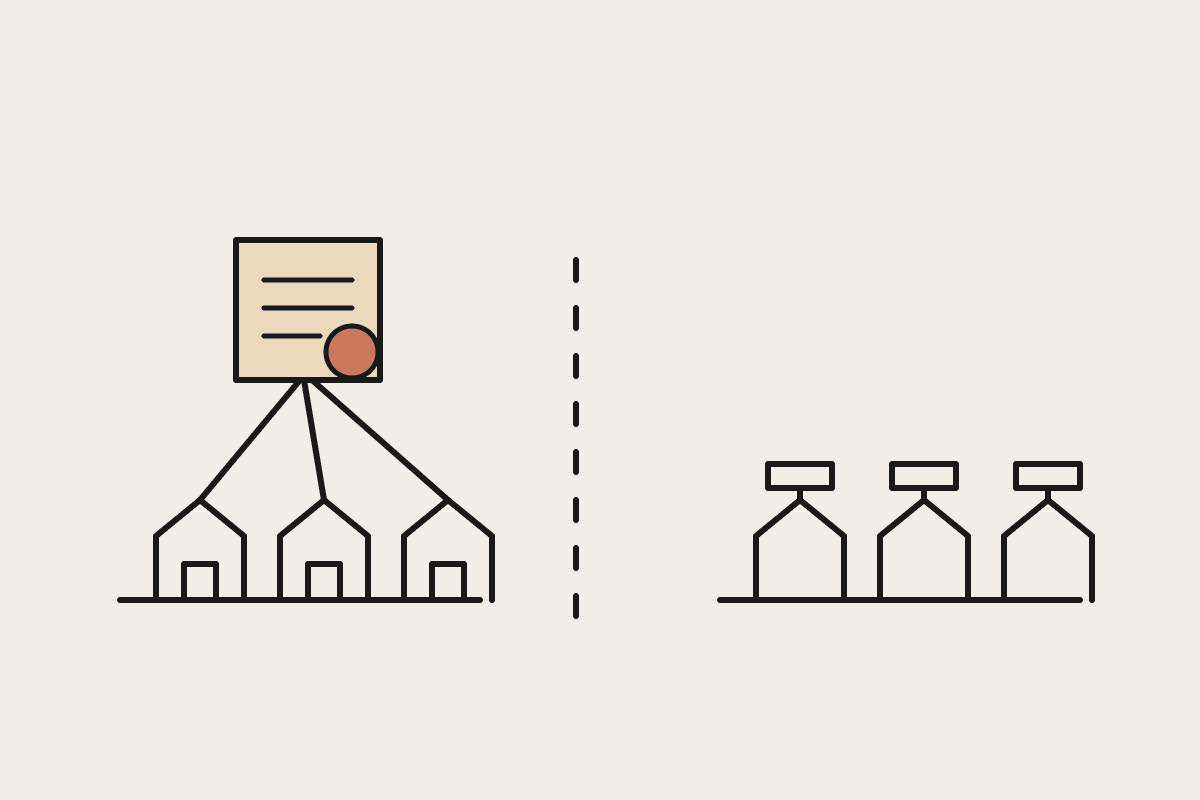
Reformatting the same financial data for five different lender panels, each with its own submission template
Recalculating serviceability by hand when a lender's calculator disagrees with the broker's own numbers
Drafting the cover note or deal story explaining why a self-employed plumber with lumpy BAS figures is still a good risk
Following up settlement conditions after approval, one lender email at a time
What Claude Actually Does in the Deal Packaging Workflow
Set up against a broker's own file structure, BAS PDFs, ABN and ASIC company extracts, the trade invoice for the asset, Claude handles the parts of packaging that are mechanical rather than judgement based:
Pulling turnover, GST and net figures out of scanned BAS statements and building a two-year trend
Drafting the borrower document request, tailored to what is actually still missing rather than a generic checklist
Assembling a lender-ready summary covering applicant details, asset description, servicing calculation and a plain-English deal story
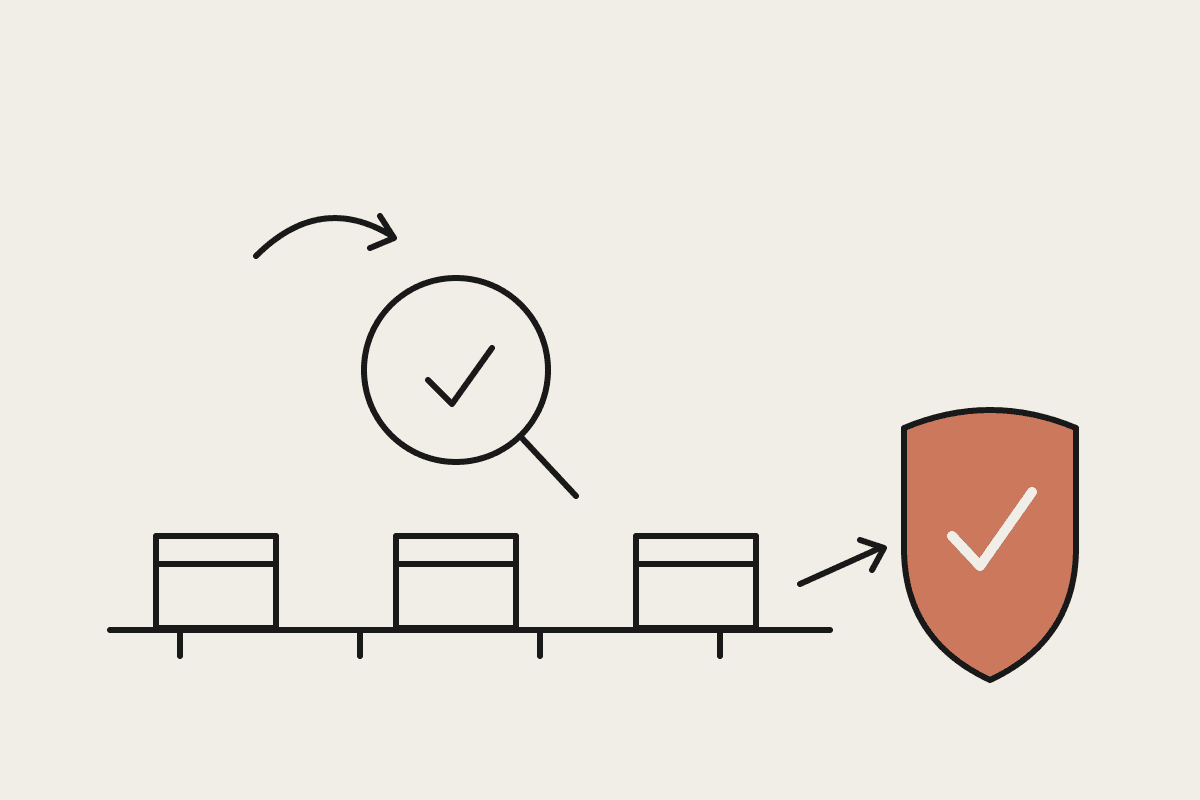
Flagging inconsistencies, such as an invoice for a $95,000 truck against a deposit that doesn't reconcile, before submission rather than after a query comes back
Keeping a dated log of what was sent, what was requested and what changed, useful the day a file gets audited
A Worked Example
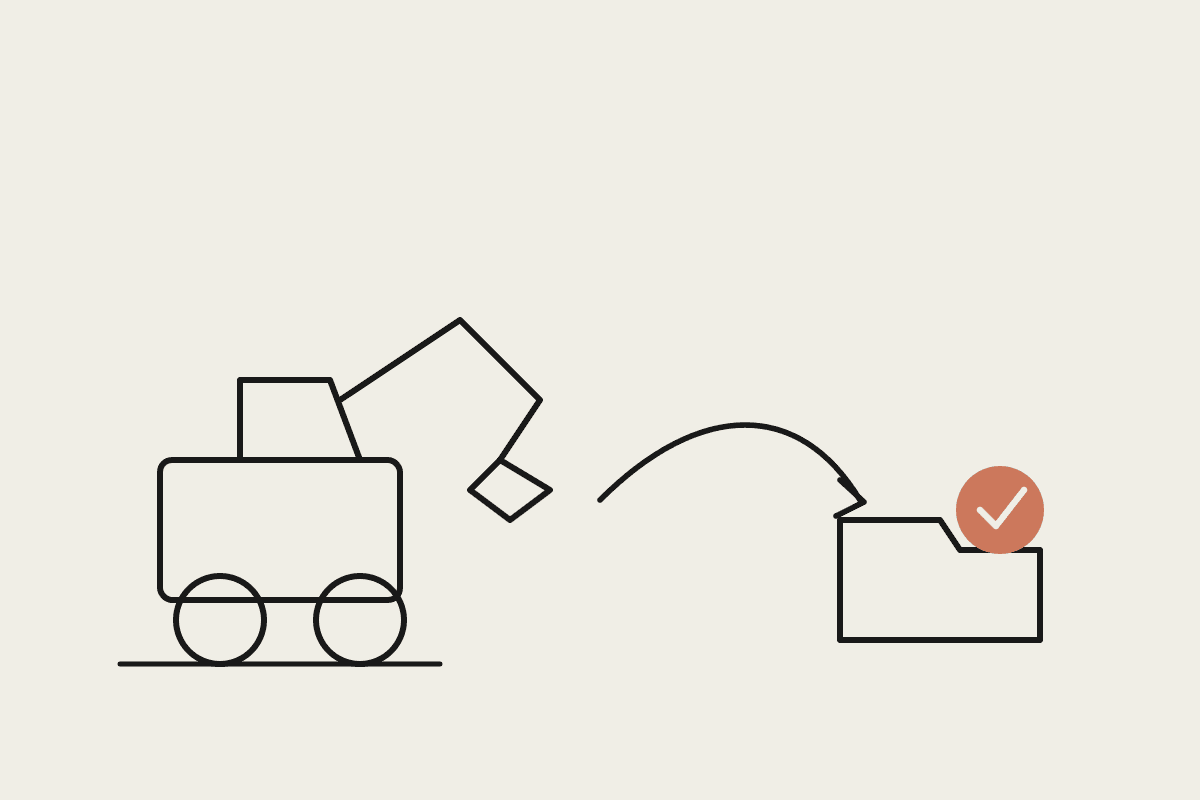
A Sydney broker recently ran a $85,000 excavator deal for a self-employed earthmoving contractor whose BAS showed a slow winter quarter followed by a strong recovery. Claude pulled the four most recent BAS lodgements, built the servicing calculation against the lender's stated ratio, and drafted a cover note explaining the seasonal pattern rather than letting it read as declining revenue. The broker checked the numbers, adjusted two sentences, and submitted. What used to take the better part of an afternoon took about twenty minutes of review.
Multiply that saving across a pipeline of thirty or forty live deals a month and the appeal isn't speed for its own sake, it's getting evenings back and submitting cleaner files that generate fewer queries from credit teams. Brokers who've run this for a full quarter report the biggest change isn't hours saved so much as fewer deals bouncing back with a request for one more document that should have gone in the first time.
Getting the Data In Without Rebuilding the Stack
None of this requires ripping out an existing broker platform. Claude connects to whatever a brokerage already runs, whether that's a CRM like Salestrekker or LoanKit, a shared drive on SharePoint or Google Drive, and the inbox where borrower documents actually land. The setup work is in mapping each lender's submission template once, not in replacing systems the team already knows.
Compliance and Data Handling
Asset finance sits partly inside and partly outside the National Consumer Credit Protection regime, depending on whether the asset is for personal or business use, so the compliance obligations a broker carries vary deal by deal. What stays constant is the Privacy Act 1988 obligation to handle an applicant's financial documents carefully, and the practical reality that lenders, and for larger facilities the AUSTRAC-regulated financiers behind them, expect a clean audit trail of what was collected and why.
Claude works inside that constraint rather than around it. It reads and drafts inside the broker's own file storage and CRM rather than holding a separate copy of applicant data, and every summary it produces carries a human sign-off before it goes to a lender. The broker, not the agent, remains the credit representative on the file, which is exactly how ASIC expects it to work.
What This Actually Costs to Set Up
A brokerage running Claude across its deal packaging typically starts on a Claude Team seat plus a one-off setup connecting it to the broker's document storage, CRM and lender templates. For a two-to-five broker shop, that setup usually lands between $3,500 and $6,500 depending on how many lender panels need their own template, a cost most brokerages recover inside the first six to eight deals through time saved alone.
If asset finance deal packaging is eating into a broker's evenings, a short working session is usually enough to map where Claude fits against the existing lender panel and CRM setup. Book a brainstorm and bring one recent deal file to walk through.