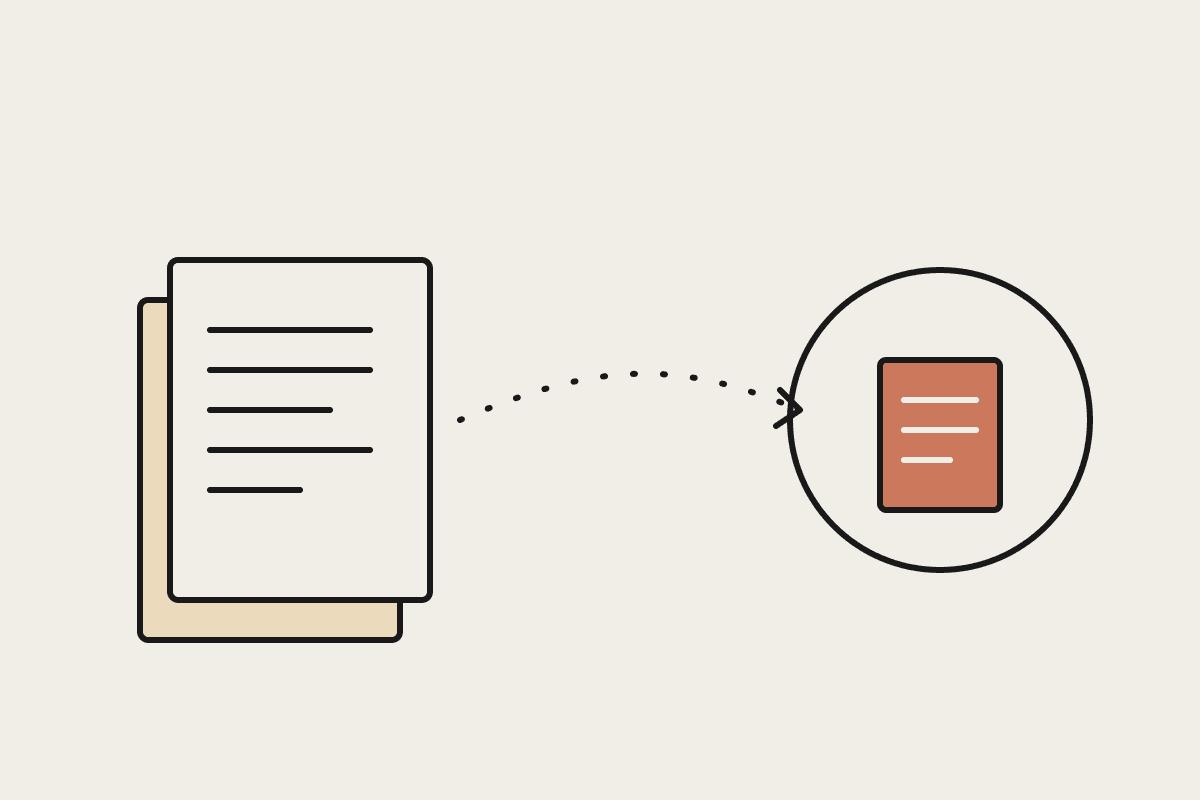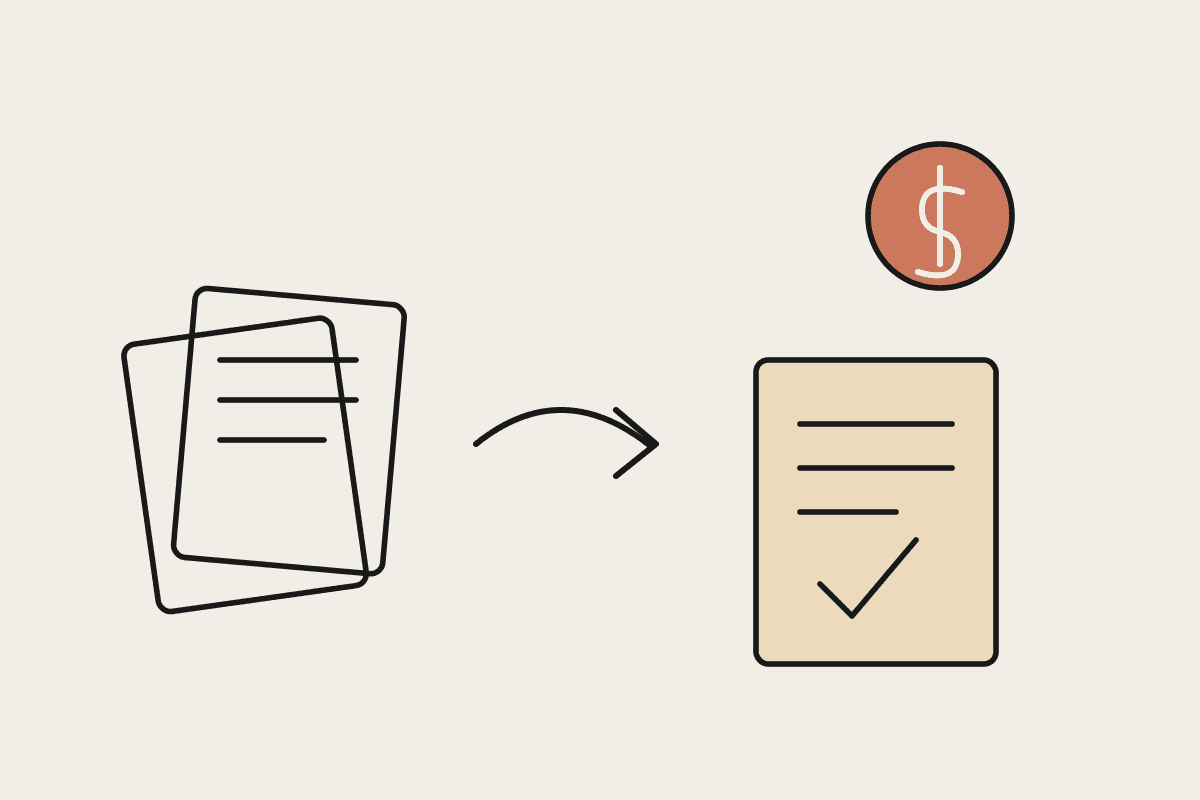
Most Australian registered migration agents did not get into the profession because they love formatting statutory declarations. But for a two or three person practice running fifteen to twenty active cases at once, document assembly is where a huge share of the week actually goes: chasing evidence, checking it against the Department of Home Affairs checklist for the right visa subclass, and turning client notes into a clean draft statement ready for review.
Where the paperwork bottleneck actually sits
A typical partner visa or skilled visa file involves dozens of individual documents, each with its own format and evidentiary standard. None of that work requires a migration decision. It requires someone to read carefully, cross check, and draft, which is exactly the kind of task that eats a senior agent's afternoon without moving a single case forward. The documents that consume the most time include:
Statutory declarations from the client and supporting witnesses, drafted from rough notes or a phone call transcript
Character documents such as police clearance certificates and Form 80, checked for completeness against the relevant checklist
Financial evidence, including bank statements, payslips, and employer letters, cross referenced against income thresholds
Relationship evidence for partner and prospective marriage visas, organised chronologically with a summary cover sheet
Employer nomination paperwork for sponsored visas, matched against occupation lists and market salary requirements
None of this is glamorous, and almost none of it is billable in a way that reflects the agent's real expertise. It is the administrative layer underneath the advice, and it is where most practices lose margin.
What Claude can and cannot do in a migration practice
Claude is useful here as a document preparation assistant, not as a source of migration advice. In practice that means Claude can review an uploaded document set against a checklist for a given visa subclass and flag what is missing, draft a first version of a statutory declaration from an agent's dictated notes or a client questionnaire, standardise formatting across a submission bundle, and summarise a large evidence pack into a one page index for the agent to review before lodgement.
What Claude does not do is make the judgment call on whether a case meets a criterion, interpret migration law, or sign anything. Every draft it produces goes back to the registered agent, who reviews, edits where needed, and takes professional responsibility under the OMARA Code of Conduct exactly as they would with a draft prepared by a paralegal. Framed that way, Claude is closer to a very fast, very patient junior support role than to a decision maker.
A sample workflow
Practices that have set this up successfully tend to follow a similar sequence:
Client uploads documents into a secure shared folder as they become available
Claude cross checks the file against the checklist for the relevant visa subclass and lists what is outstanding
The agent dictates or types rough notes, and Claude drafts a first version of the statutory declaration in the client's voice
The agent reviews, edits, and approves the draft before it goes to the client for signature
Claude assembles the final submission package with a consistent cover sheet and document index
Each step keeps a human decision maker in the loop, which matters both for compliance and for client trust. The gain is in the time between steps, not in removing any of them.
The economics for a small practice
For a Sydney or Melbourne practice handling fifteen to twenty active files, document assembly alone can run to six or eight hours per case across the life of the matter. Hiring a part time caseworker to absorb that load typically costs upward of $45,000 a year once wages, superannuation, and onboarding are accounted for, and that person still needs training, leave cover, and management time from the principal agent.
A Claude based setup for document preparation support is a fraction of that cost, has no onboarding curve after the initial setup, and does not take annual leave in the middle of a busy visa season. For most practices the case for trying this is not about replacing staff. It is about freeing the registered agent to spend more of the week on the parts of the job that actually require a migration licence: strategy, client conversations, and the final review that only they can sign off on.
Getting started without risking compliance
Client documents in a migration file are about as sensitive as personal information gets: passports, financial records, medical evidence, and sometimes protection claims. Any AI tool used in this context needs a clear data handling agreement consistent with the Privacy Act, and the practice should keep a written record of what tasks are delegated to Claude versus what stays exclusively with a registered agent. Most firms start narrow, with one document type such as statutory declaration drafts, confirm the review process holds up over a few cases, then expand from there.
If you run a migration practice and want to work out where document preparation support would save the most time without touching anything that requires a licence, book a short session with Automata AI and we will map it against your current caseload.